When Chest Pain Is a Tear in the Aorta
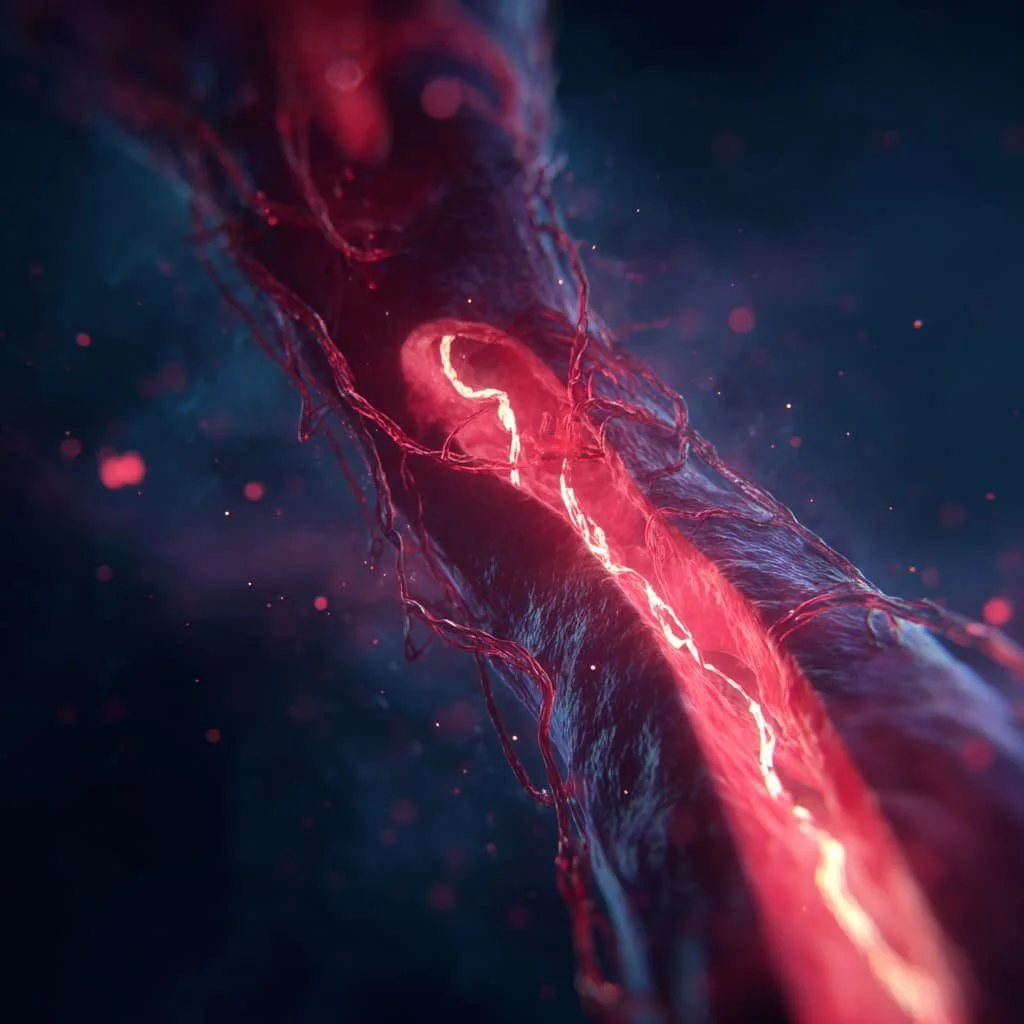
Understanding Aortic Dissection and Why Time and Blood Pressure Matter
At the Bedside
Her name was Maria. Fifty eight years old. Long history of high blood pressure. Smoker. She walked into the emergency department holding her chest and said the pain was tearing straight through to her back.
Within minutes she was sweating. Pale. Restless. We gave intravenous pain medication again and again. The pain did not budge. When chest pain is that severe and that resistant to treatment, something deeper is wrong. At one point I joked gently that if this was not something serious I might need to reverse all the narcotics I had just given her. She did not laugh. Neither did I. We both knew this felt different.
What Is an Aortic Dissection?
The aorta is the largest artery in the body. It carries oxygen rich blood directly from the heart to every organ. Its wall has three layers. In an aortic dissection, a tear develops in the inner layer, called the intima. Blood then forces its way between the layers of the vessel wall, creating a false channel. Instead of flowing smoothly down one pipe, blood begins splitting the wall itself.
Think of it like a high pressure water pipe where the inner lining suddenly peels back. The pressure does not stop. It pushes forward, separating the layers as it travels. That separation is the dissection. It can extend up toward the heart or down toward the abdomen. Either direction can be catastrophic.
Why Does It Hurt So Much?
The pain of aortic dissection is often described as tearing or ripping. It is sudden. Maximal at onset. It may begin in the chest and migrate to the back as the tear progresses along the vessel. Unlike typical heart attack pain, which may build gradually, dissection pain often arrives fully formed.
The danger is not just the pain. As the aortic wall separates, branches that supply blood to the brain, kidneys, intestines, or spinal cord can become blocked. That is why some patients present with chest pain plus neurological symptoms such as weakness, numbness, confusion, or even stroke like findings. When chest pain and strange neurological signs appear together, dissection must be considered.
Type A and Type B
Aortic dissections are commonly classified using the Stanford system. Type A involves the ascending aorta, the portion closest to the heart. Type B involves the descending aorta, further away from the heart.
Type A dissections are surgical emergencies. Because they are close to the heart, they can rupture into the pericardium, the sac surrounding the heart, causing cardiac tamponade. They can damage the aortic valve. They can block blood flow to the coronary arteries. Surgery is the only definitive treatment.
Type B dissections are often managed medically if stable. The primary treatment is aggressive blood pressure and heart rate control. Beta blockers are used to reduce heart rate and decrease the force of blood ejection from the heart. Lower force means lower shear stress on the torn vessel wall. Less shear stress gives the vessel a chance to stabilize.
Who Is at Risk?
Long standing hypertension is the biggest risk factor. High pressure over time weakens the vessel wall. Smoking accelerates vascular damage. Connective tissue disorders such as Marfan syndrome can predispose younger patients. Cocaine and other stimulant drugs increase heart rate and blood pressure abruptly and can trigger a tear.
Diagnosis is made with imaging, most commonly CT angiography. This specialized CT scan uses intravenous contrast to visualize blood flow within the aorta and can show the true lumen and the false lumen created by the dissection. Time matters. Every minute the tear progresses, risk increases.
Why We Move Fast
Aortic dissection can be fatal. Mortality rises hour by hour if untreated, particularly in Type A cases. Blood loss, organ failure, rupture, and stroke are real risks.
Maria was transferred by helicopter to a surgical center. Her dissection was Type A. She went straight to the operating room. Hours later, the tear was repaired and blood flow restored through a reinforced graft. Recovery was not easy. It never is. But she survived. Because the diagnosis was made in time. Some diagnoses give you space to think. This one does not.
THE BOTTOM LINE
• Aortic dissection is a tear in the inner layer of the aorta that allows blood to split the vessel wall
• Sudden severe chest pain that radiates to the back, especially in patients with hypertension or smoking history, is a red flag
• Type A dissections require emergency surgery. Type B dissections are often treated with aggressive blood pressure control
By Dr. Karim Ali, Emergency Physician