The Chief Complaints

ER visits do not begin with diagnoses, they begin with symptoms
More than 130 million people visit the ER each year in the U.S. Every visit begins with a symptom, not a diagnosis. This section looks at the most common reasons people come to the ER and explains how doctors figure out what’s serious, what’s not, and what happens next.
Recently Cleared

A racing or pounding heartbeat can be caused by dehydration, anxiety, anemia, thyroid problems, or an abnormal heart rhythm. This article explains how ER doctors think through palpitations and what makes them more concerning.
All Cleared

Vomiting is common in the ER, but the cause is not always simple. This article explains how doctors think through vomiting, what dangerous causes they look for first, and why the workup can range from fluids to brain scans.
A racing or pounding heartbeat can be caused by dehydration, anxiety, anemia, thyroid problems, or an abnormal heart rhythm. This article explains how ER doctors think through palpitations and what makes them more concerning.

When someone is suddenly “not acting like themselves,” the cause can range from mild to life-threatening. This article explains what altered mental status means in the ER, what doctors worry about first, and how confusion gets worked up fast.

Dizziness is one of the most common ER complaints and one of the most misunderstood. This article explains the difference between vertigo and lightheadedness, what doctors look for first, and when dizziness can signal something serious.

Not all rashes are the same. Some are itchy and harmless. Others can signal infection, allergic reaction, or even a medical emergency. This article explains how ER doctors quickly sort dangerous rashes from the ones that can safely wait.
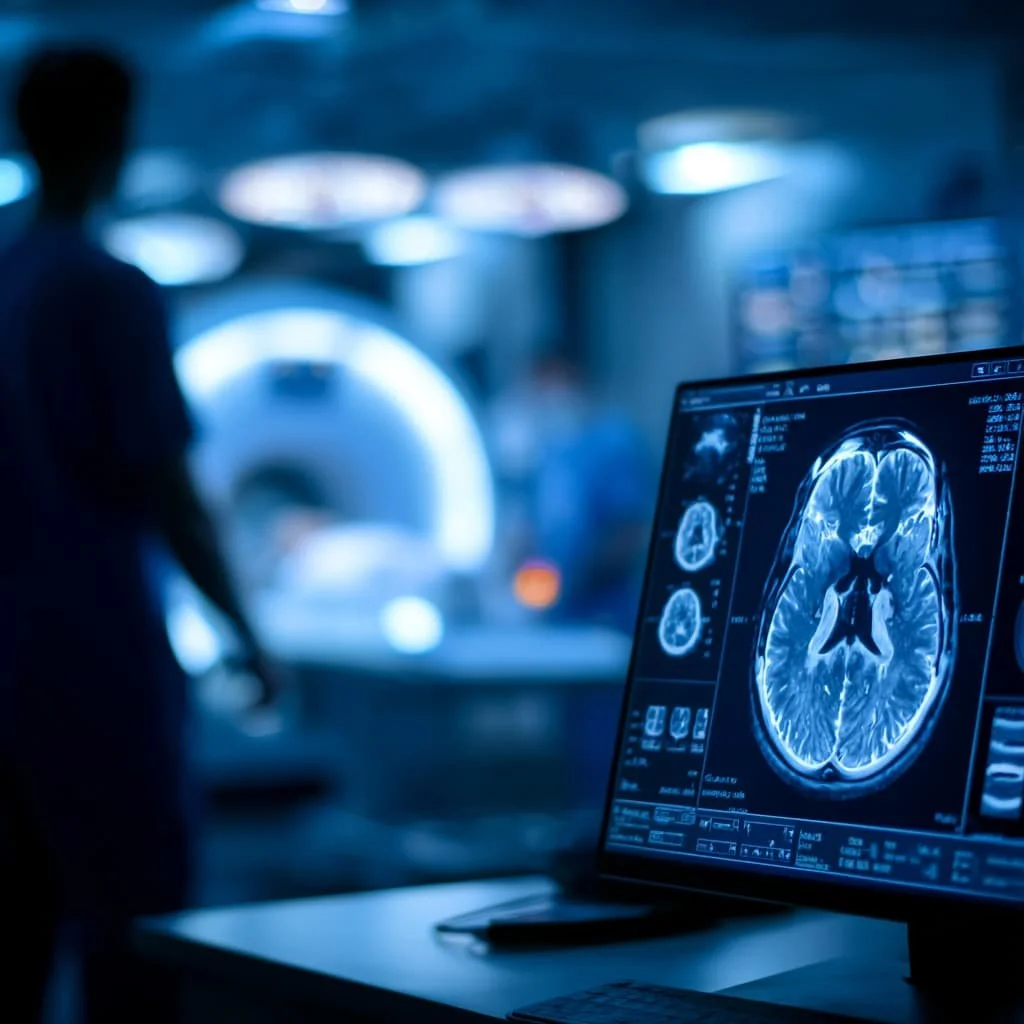
Headache is one of the most common emergency room complaints. Learn how ER doctors distinguish migraine from brain bleed, meningitis, and other dangerous causes of head pain.

Leg swelling can come from many causes including heart failure, blood clots, infections, and circulation problems. Learn how doctors evaluate swollen legs.

Fever is a common emergency room complaint that can range from viral illness to sepsis. Learn how ER doctors evaluate fever, identify dangerous infections, and decide when antibiotics are necessary.

Major trauma requires a structured emergency response. Learn how trauma teams manage severe injuries using ABCs, bedside ultrasound, imaging, and rapid surgical decision making.

Back pain is a common ER complaint that ranges from muscle strain to spinal emergencies. Learn how emergency doctors evaluate low back pain, identify red flags, and decide when imaging is necessary.

Abdominal pain is one of the most common emergency room complaints. Learn how ER doctors evaluate stomach pain, rule out dangerous conditions like appendicitis and aneurysm, and decide which tests are needed.
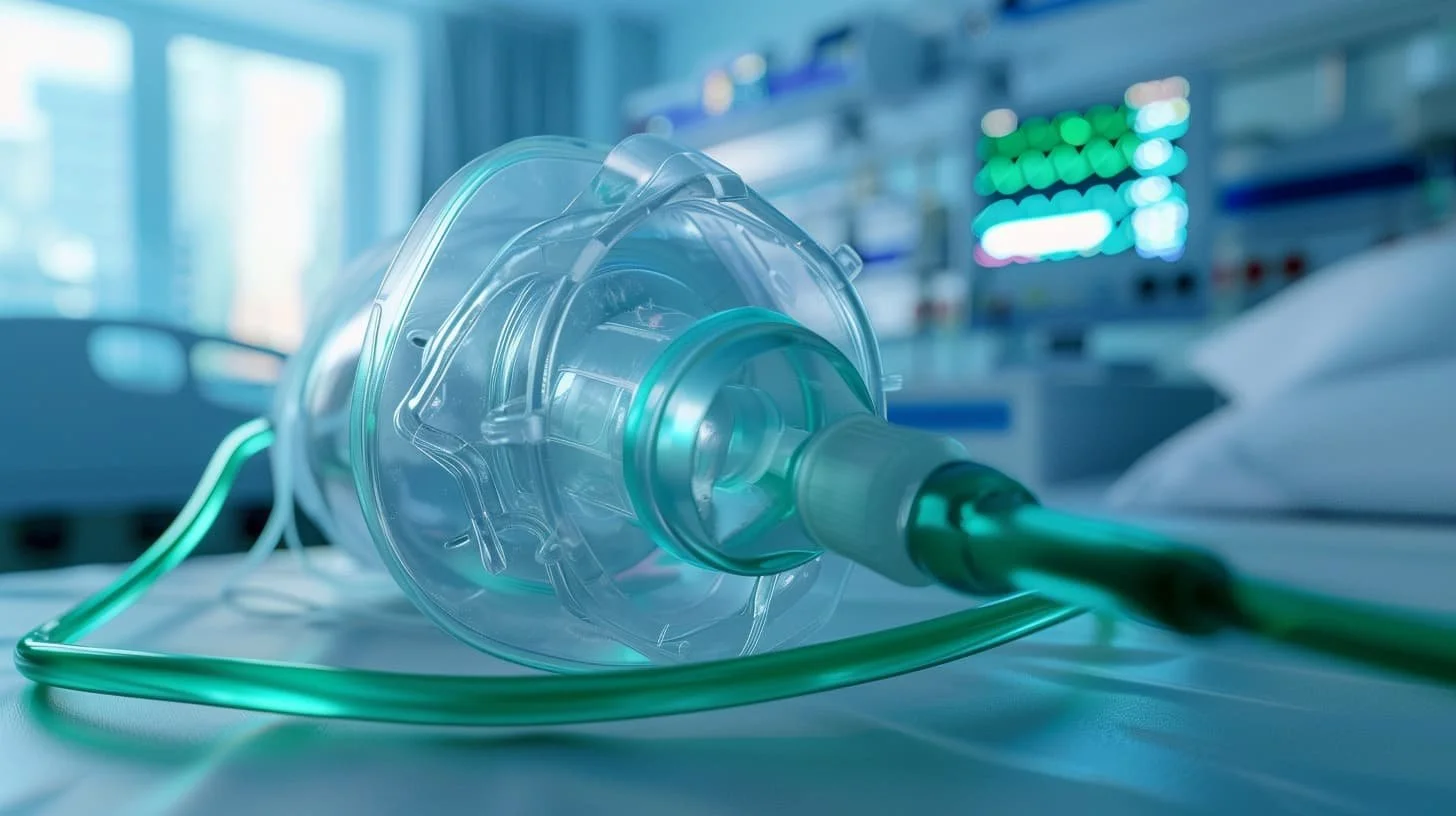
Shortness of breath is a common reason people come to the ER. Learn how emergency doctors evaluate breathing trouble, rule out dangerous causes like blood clots and heart failure, and decide on the right tests and treatment.
Chest pain is one of the most common emergency room complaints. Learn how ER doctors evaluate chest pain, rule out life threatening conditions like heart attack and pulmonary embolism, and decide who needs further testing.