The Tests
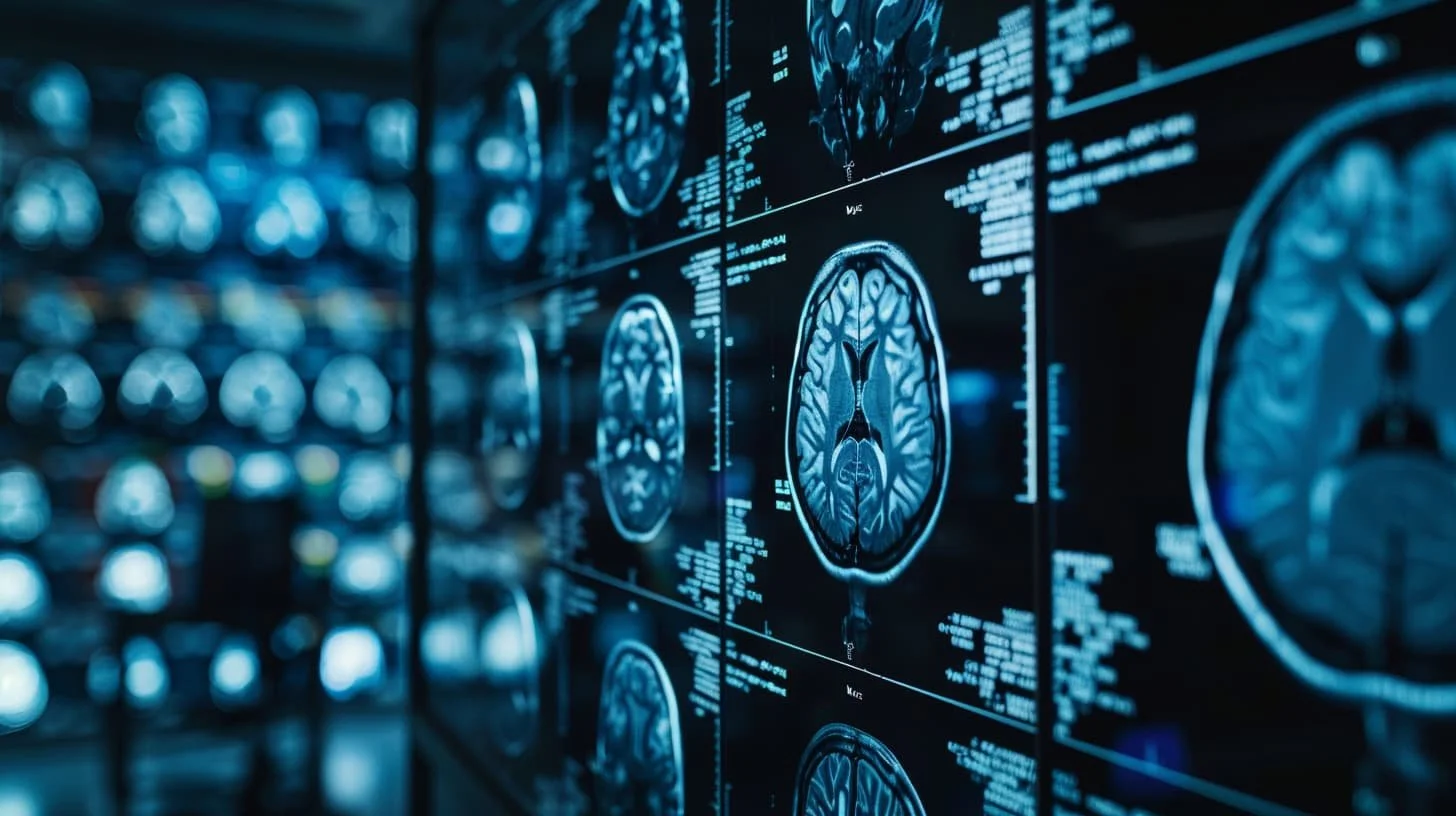
Results that guide what happens next
Every test is a question in disguise. These include laboratory, imaging, and point-of-care testing. Some confirm a diagnosis. Others rule one out. Many exist only to measure risk. Results matter only in how they change what happens next.
Recently Cleared
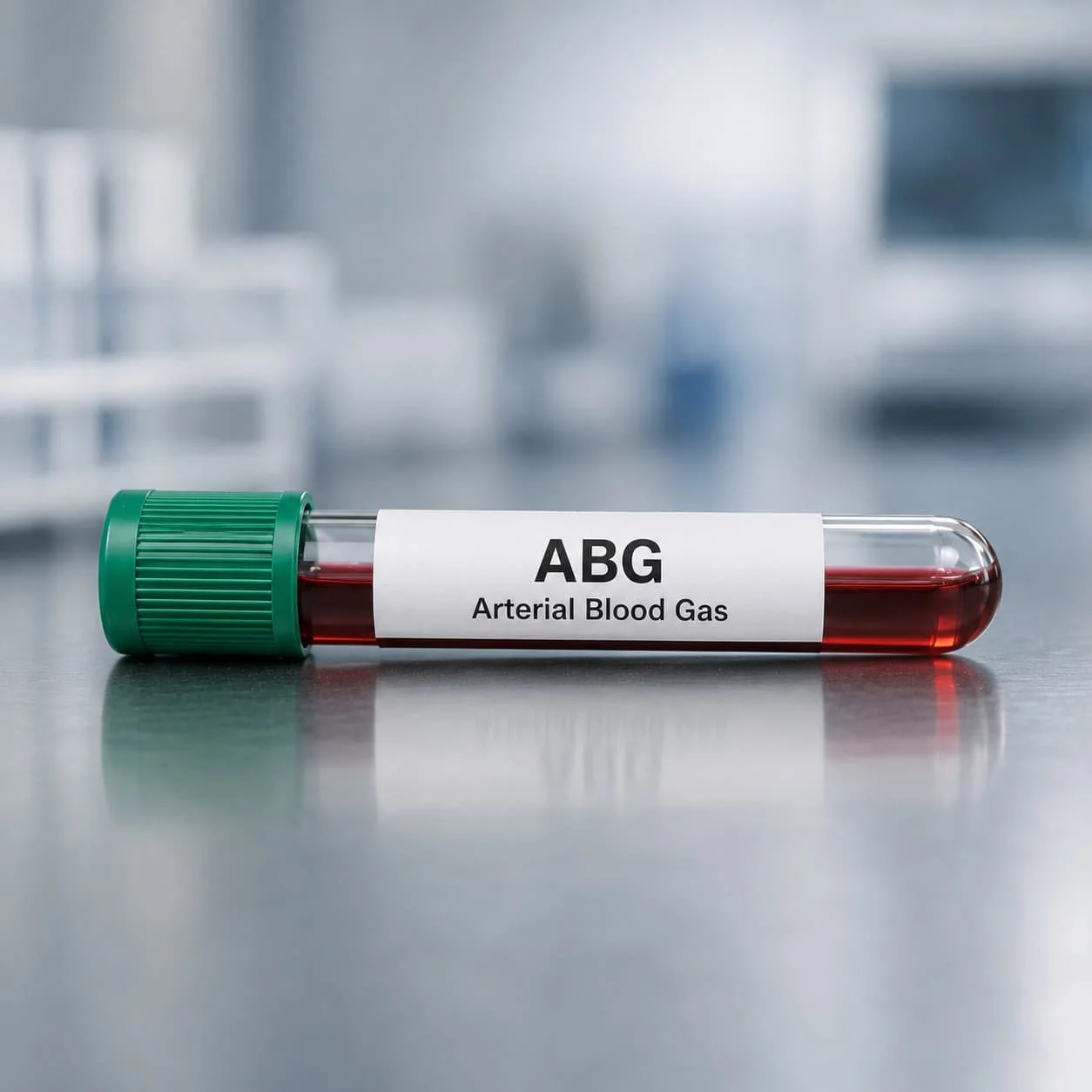
A blood draw from the wrist is sharper and more deliberate than the usual stick in the arm. Emergency physicians order it when they need to know exactly how well your lungs are working and whether your blood is becoming dangerously acidic. Here is what an arterial blood gas measures and why it sometimes changes everything.
All Cleared
A blood draw from the wrist is sharper and more deliberate than the usual stick in the arm. Emergency physicians order it when they need to know exactly how well your lungs are working and whether your blood is becoming dangerously acidic. Here is what an arterial blood gas measures and why it sometimes changes everything.
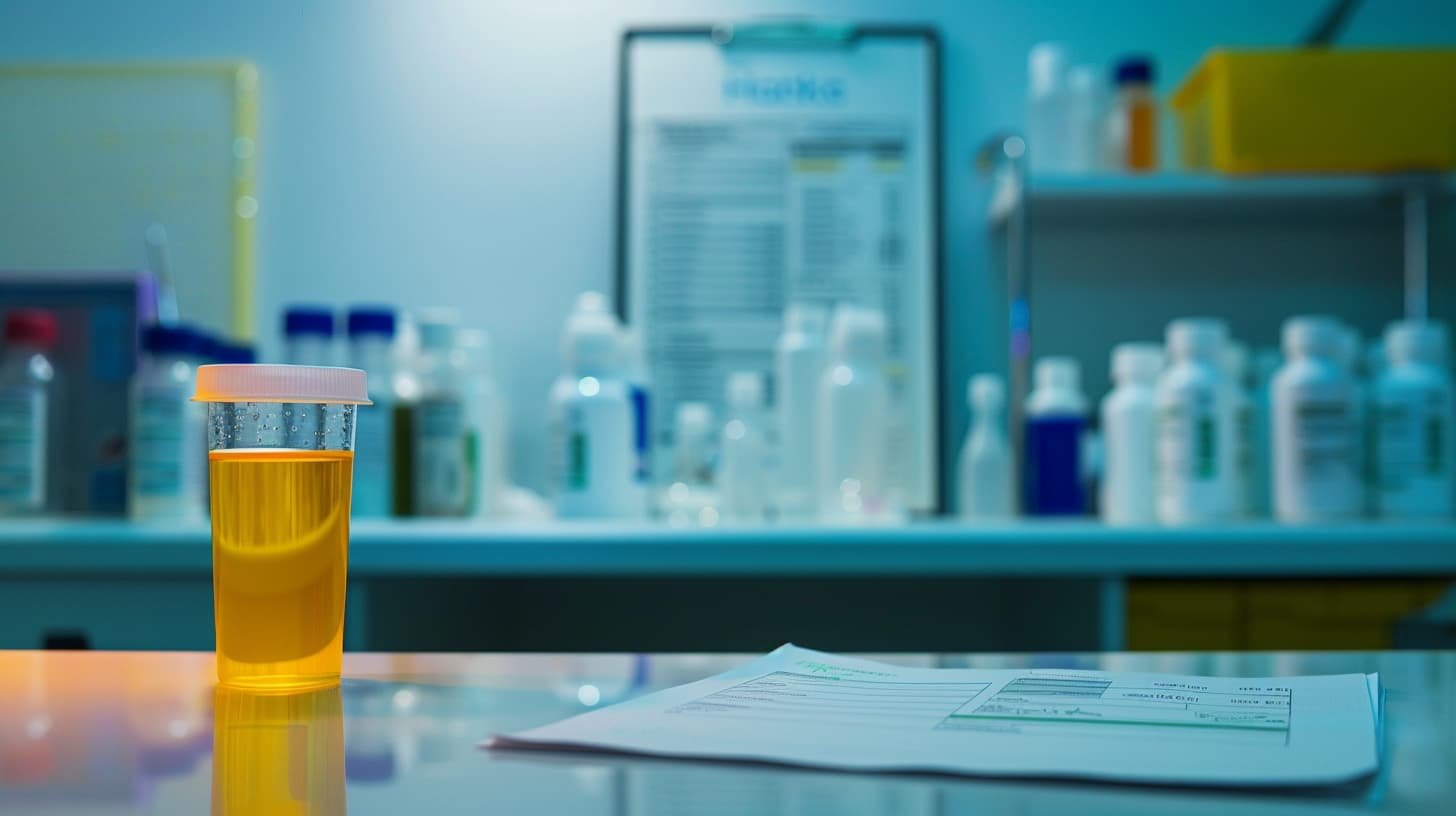
Urinalysis is a common urine test that helps detect infections, kidney problems, dehydration, and more. Learn how doctors interpret it.
Blood cultures help doctors detect infections in the bloodstream. Learn how this test works and why it is used in serious infections.
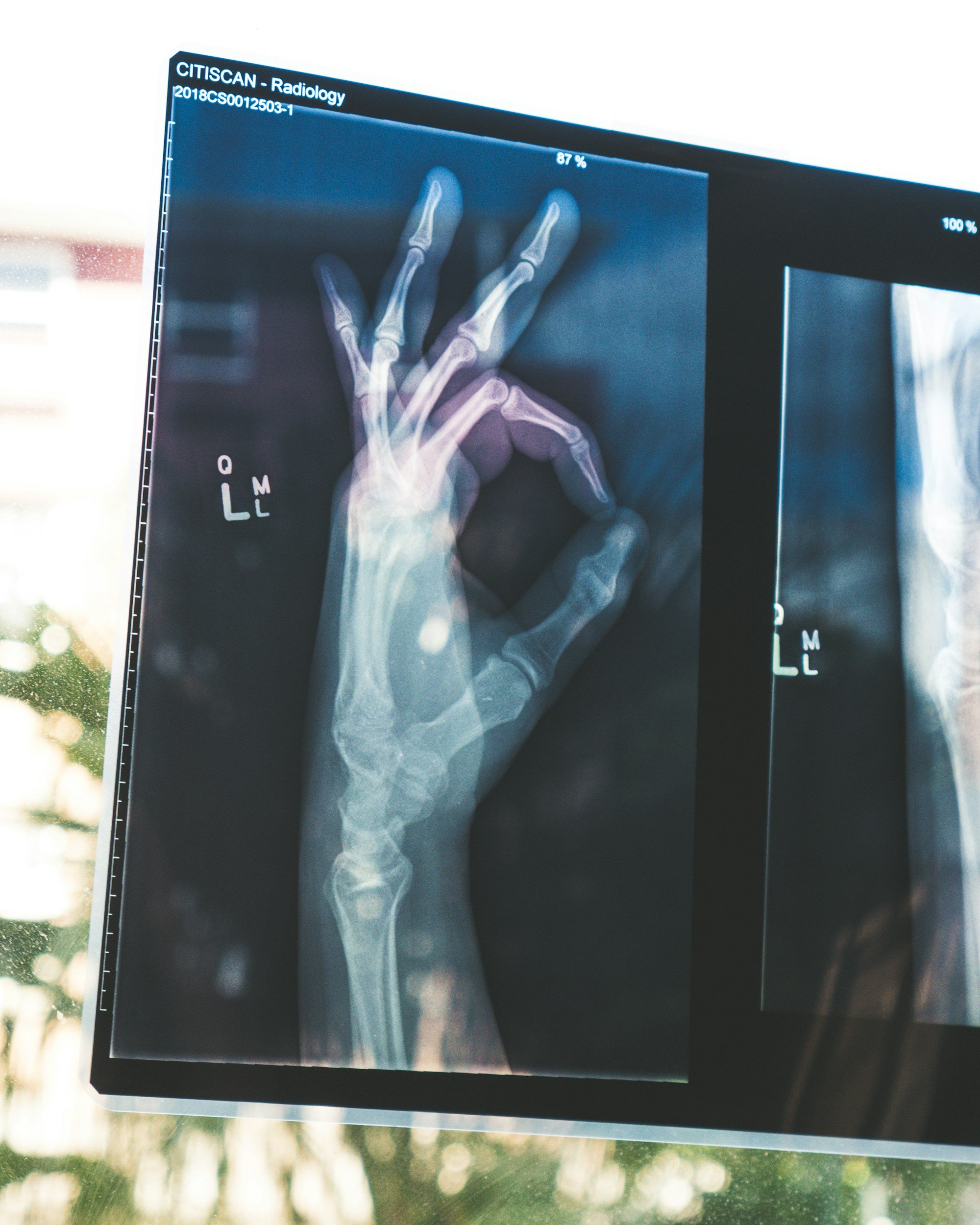
X-ray is one of the oldest imaging tools in medicine — and still one of the most useful. Fast, low radiation, and widely available, it’s often the first step in diagnosing fractures, pneumonia, collapsed lungs, and more. Here’s when it helps — and when it doesn’t.
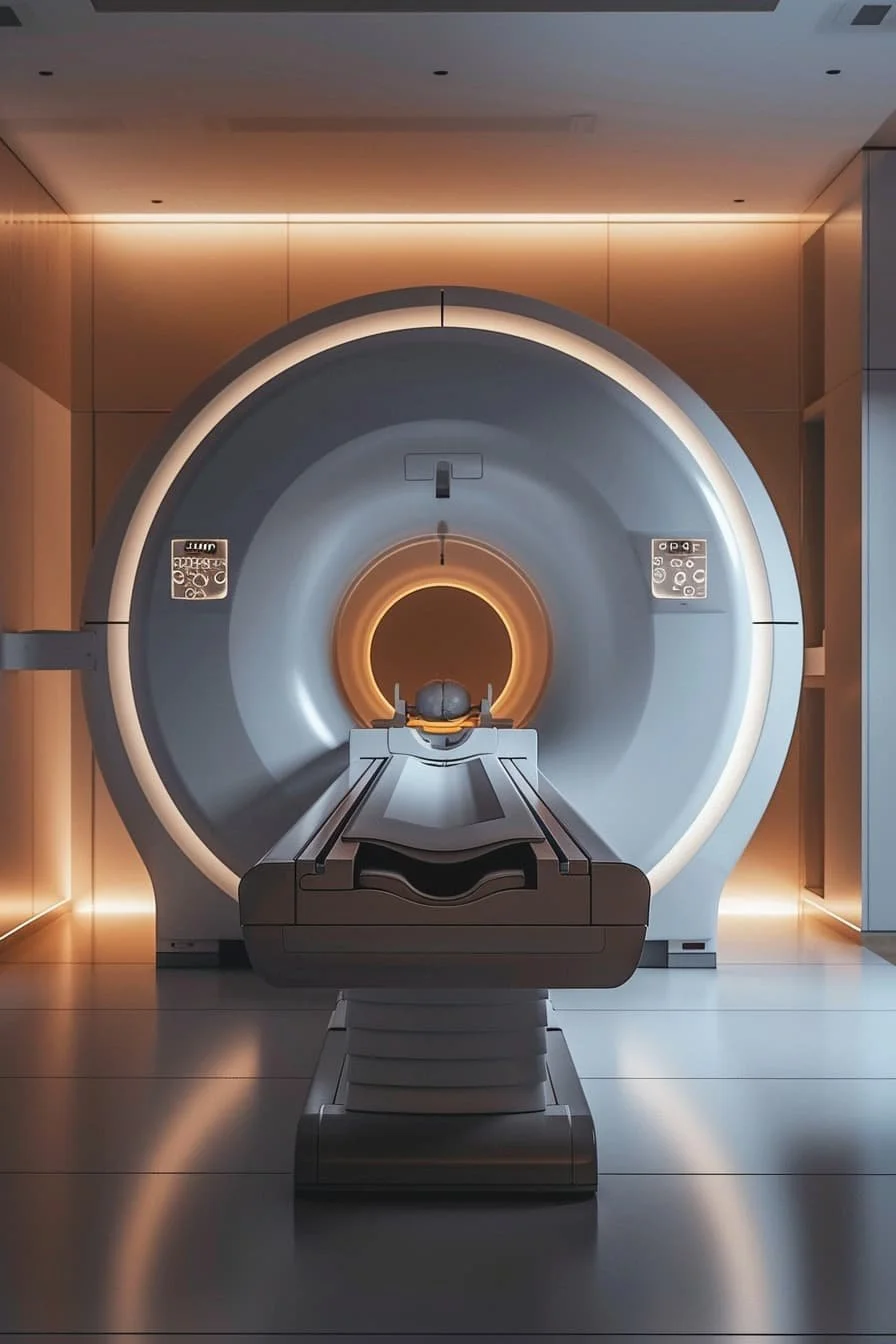
MRI uses powerful magnets and radio waves to create detailed images of the body. Learn when doctors order MRI scans and what they can detect.
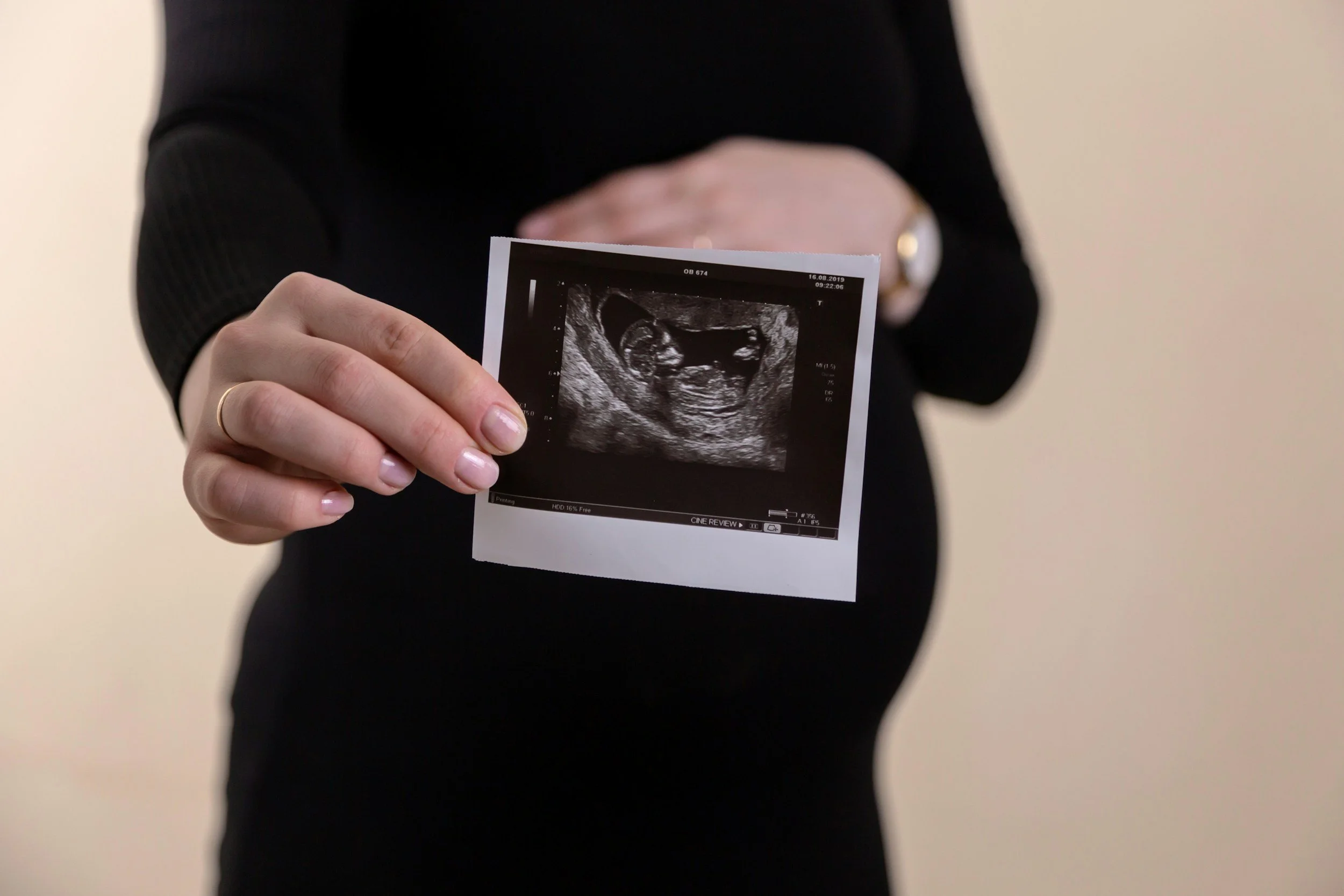
Ultrasound uses sound waves to create real time images inside the body without radiation. From detecting internal bleeding to guiding procedures and evaluating pregnancy, it has become one of the most powerful bedside tools in modern emergency medicine.

The machine feels serious. The moment often does too. Here’s what a CT scan in the emergency room is really for and how doctors decide when it’s necessary.
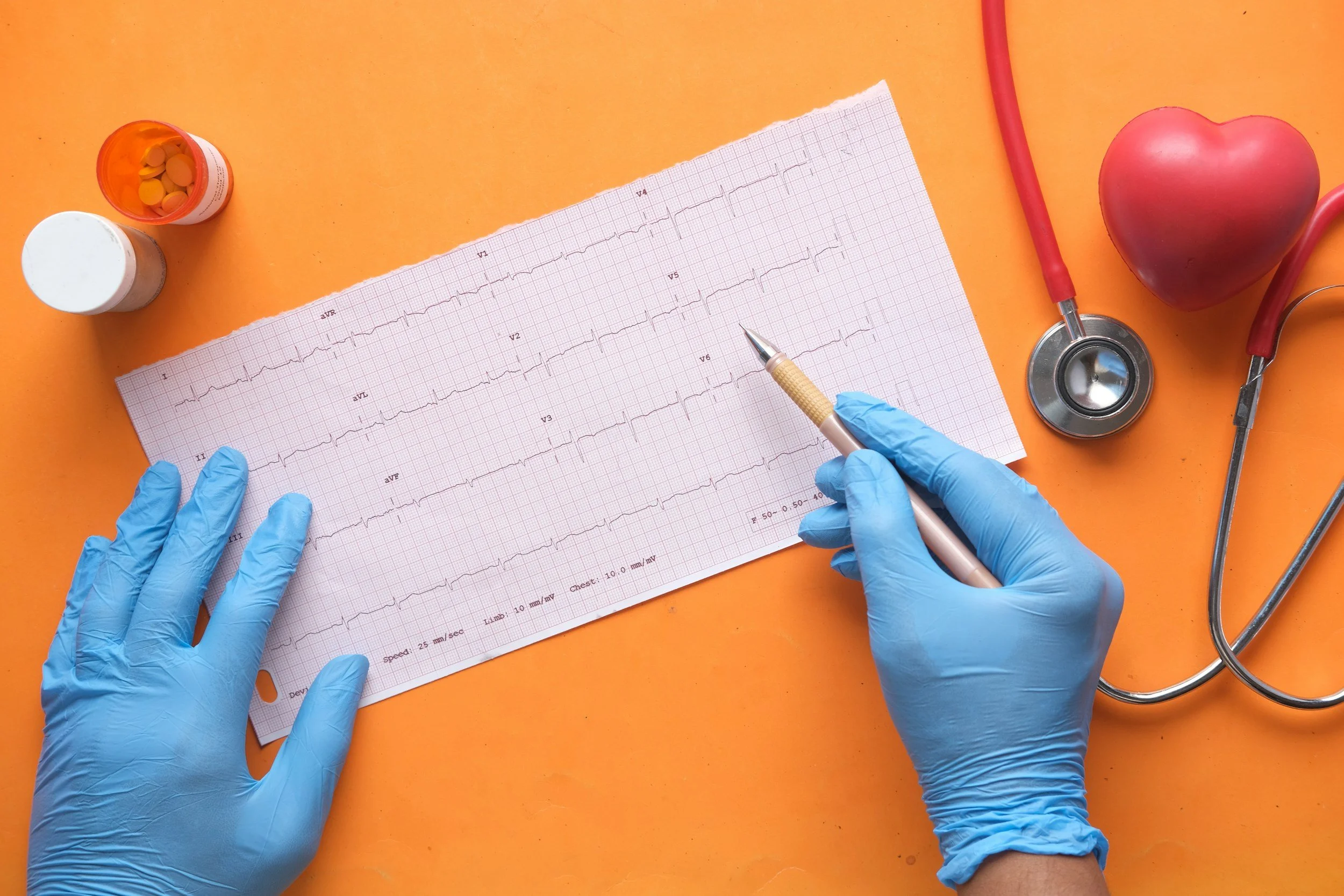
An electrocardiogram, or EKG, records the heart’s electrical activity. In emergency medicine, it helps detect heart attacks, rhythm disorders, and dangerous electrolyte changes within minutes.
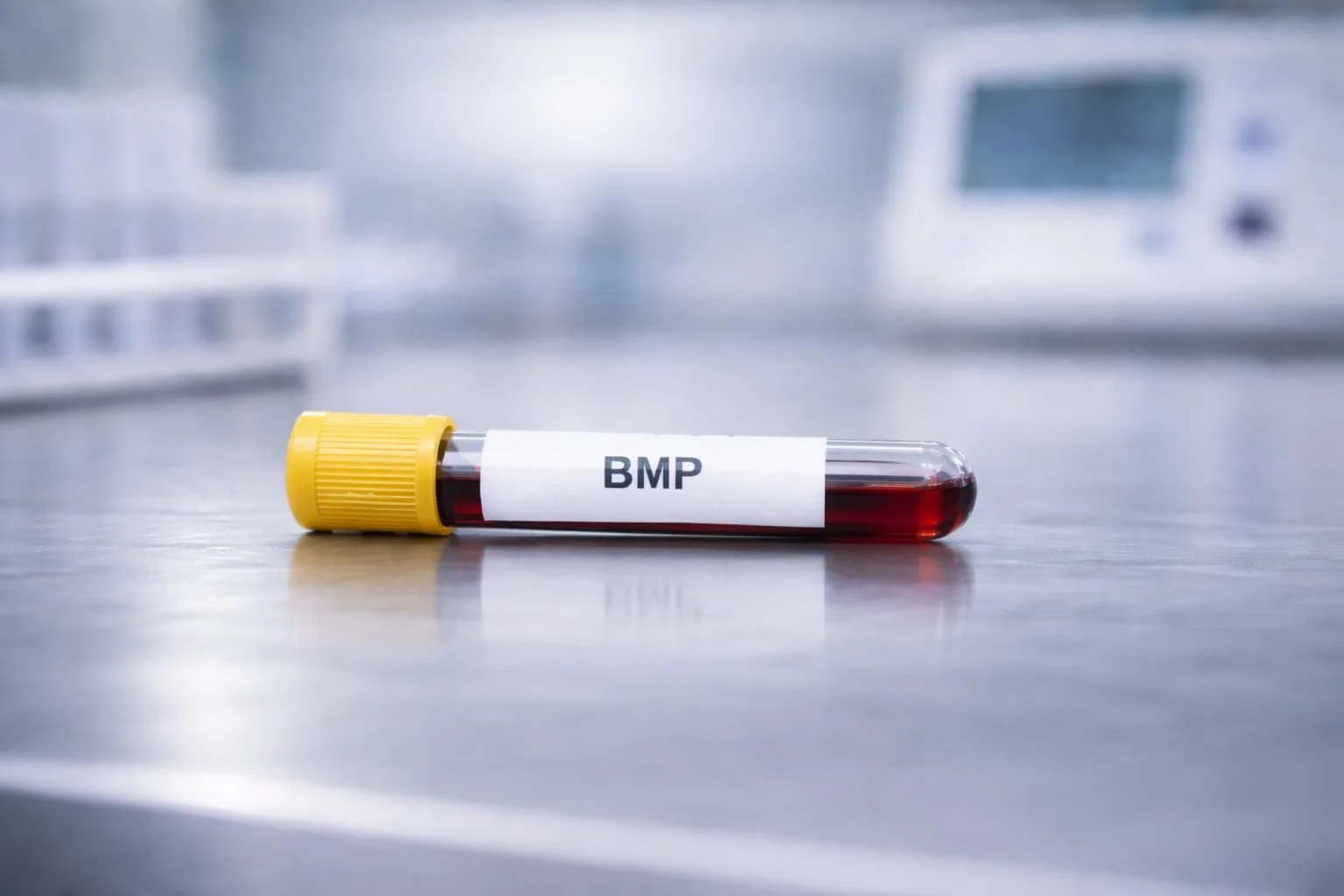
A Basic Metabolic Panel, or BMP, is a common blood test that checks kidney function, electrolytes, and blood sugar. In emergency medicine, it helps identify dehydration, kidney injury, and electrolyte imbalances that can affect the heart, brain, and overall stability.
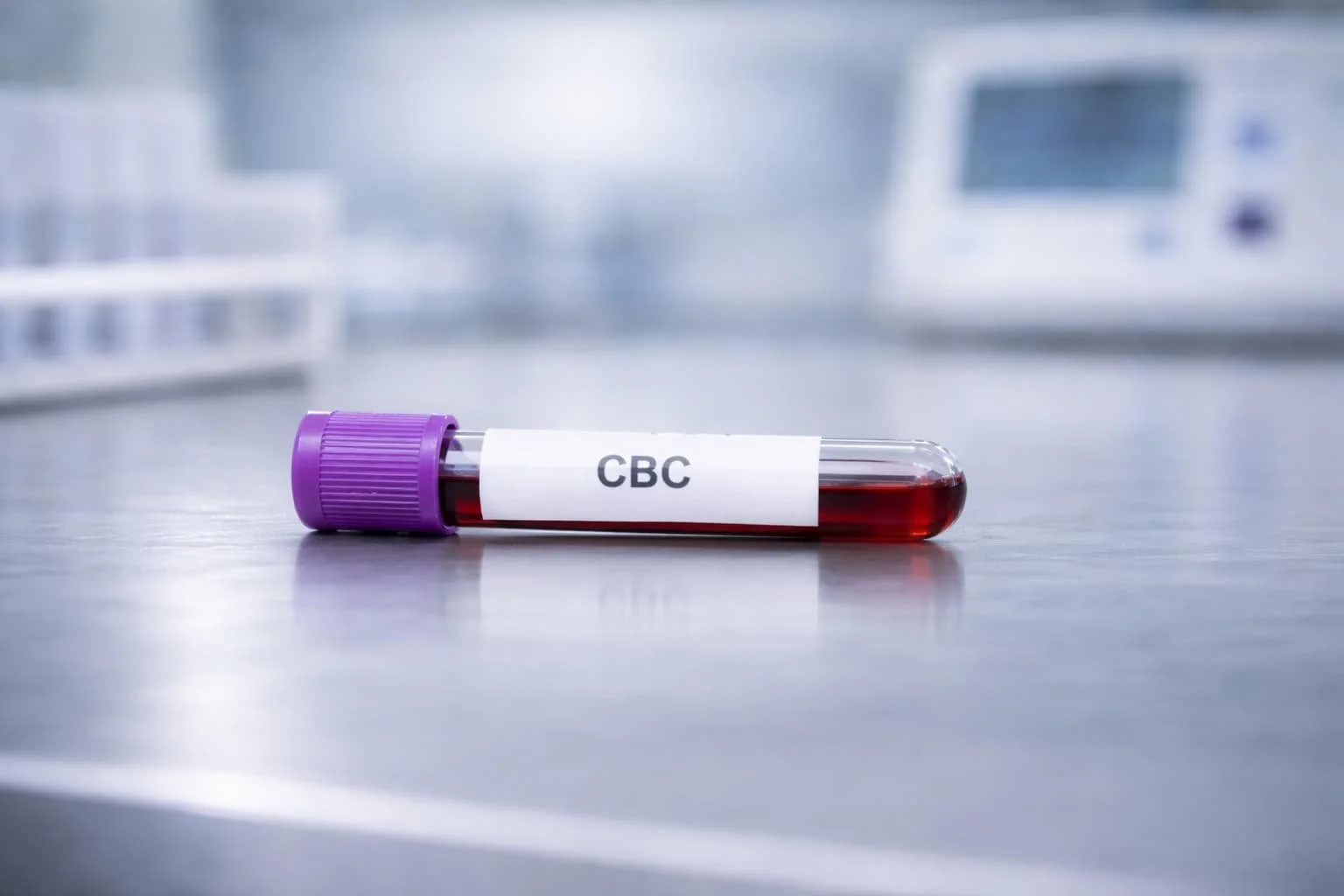
A Complete Blood Count, or CBC, is one of the most common blood tests in emergency medicine. It measures white blood cells, red blood cells, and platelets to help detect infection, anemia, bleeding, and inflammation. Simple test. Important clues.
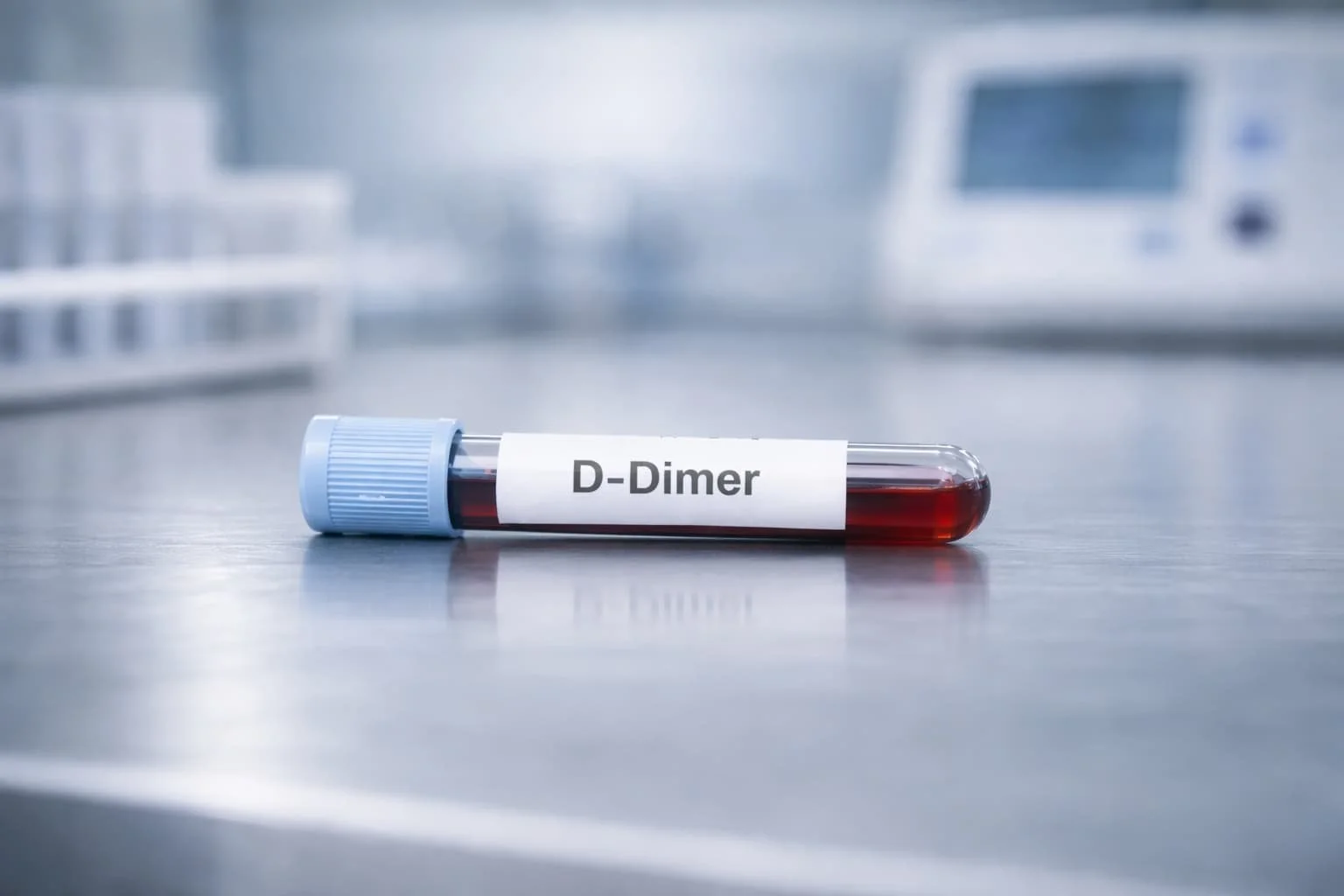
D-dimer is a blood test used to evaluate for dangerous blood clots such as deep vein thrombosis and pulmonary embolism. A normal result in the right patient can safely rule out clot, but an elevated value does not confirm one. Context and clinical risk matter.
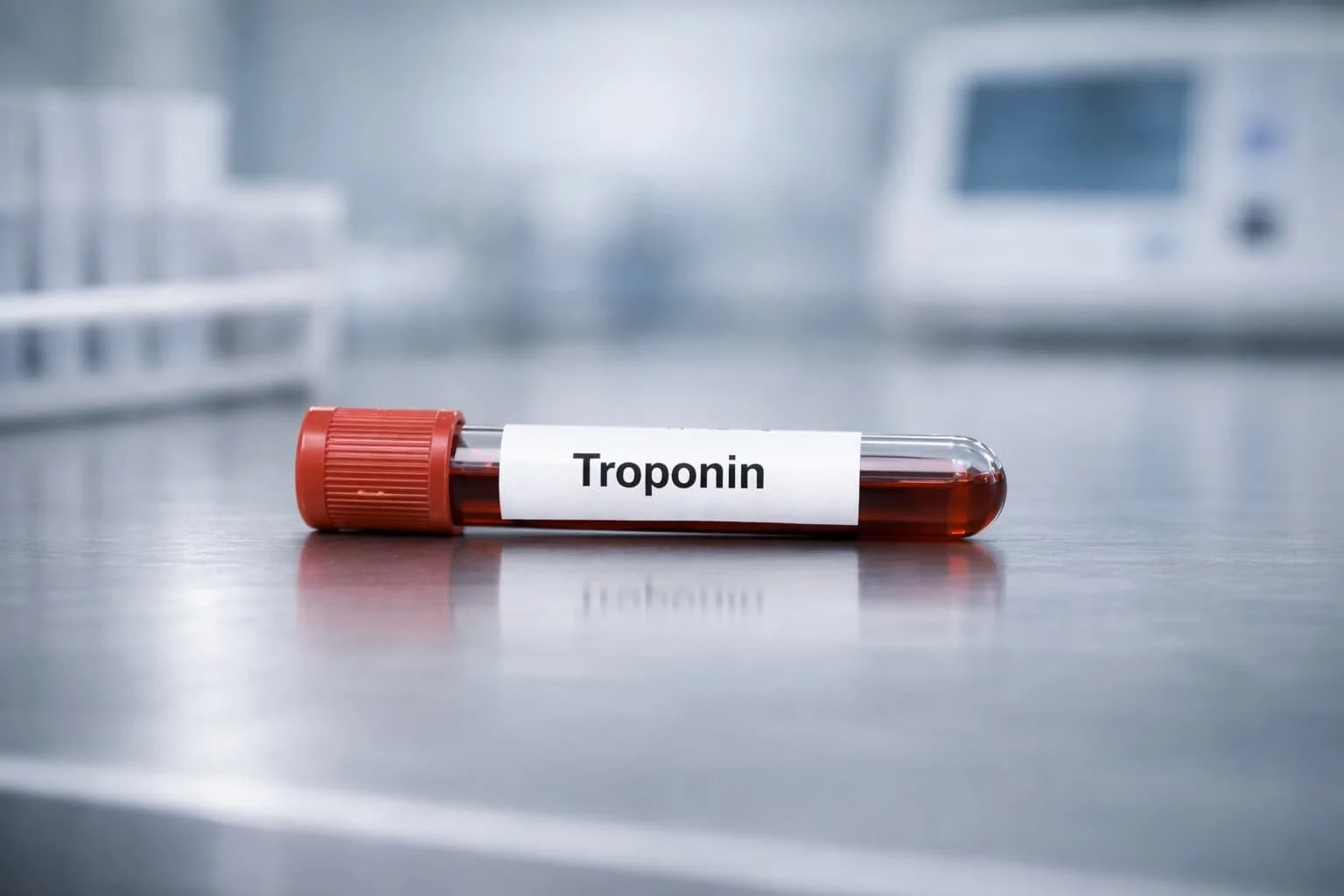
Chest pain often triggers a troponin test. This cardiac biomarker detects heart muscle injury, but an elevated result does not always mean heart attack. The trend and the full clinical picture determine what it means.
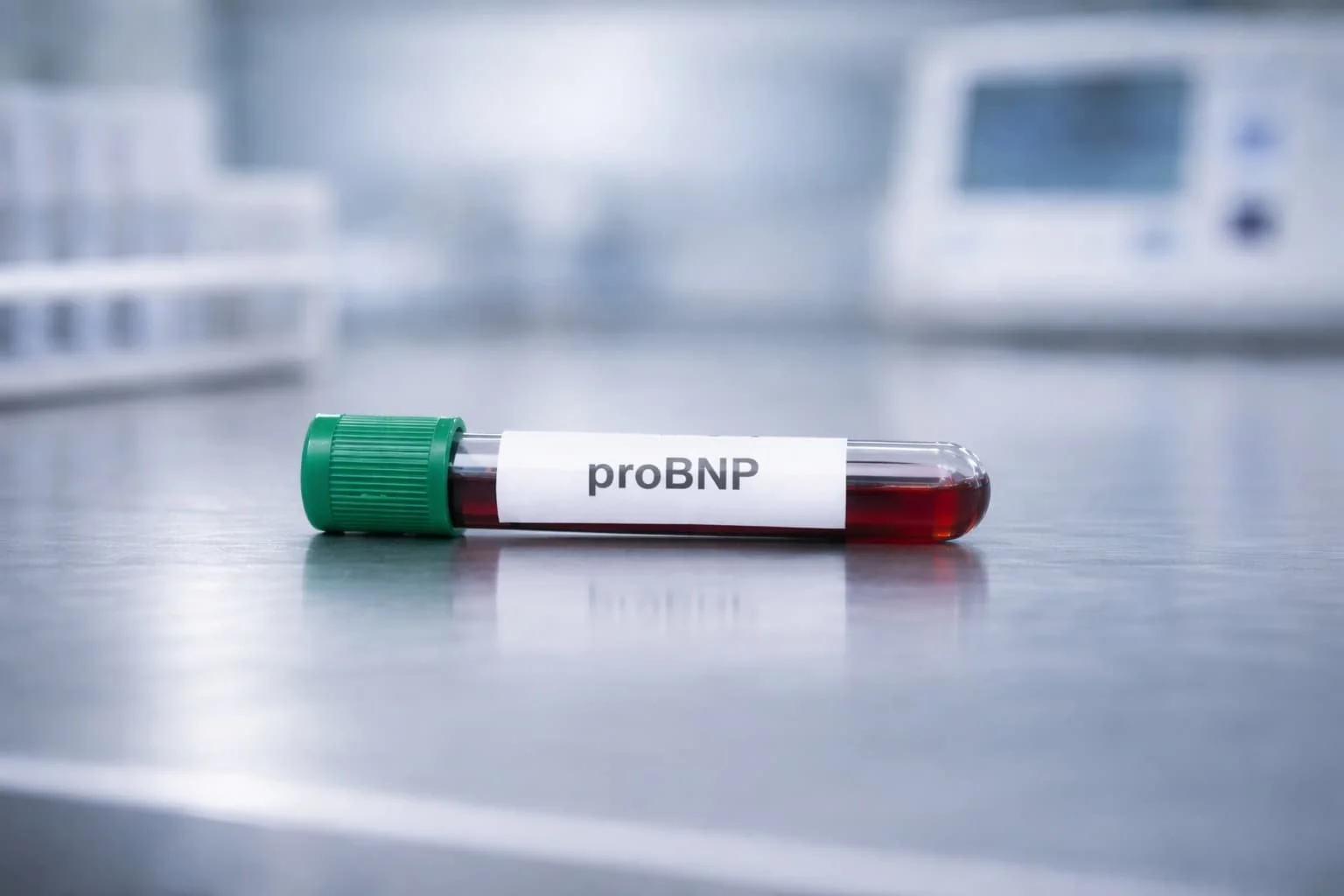
When the heart is under strain, it releases chemical signals into the bloodstream. proBNP is one of them. In the emergency department, this test helps us determine whether shortness of breath is coming from heart failure or another cause. It is powerful when interpreted in context.