The Diagnosis

What must be found. What must not be missed. Time-sensitive conditions first.
Many symptoms have harmless causes, but some point to problems that require fast treatment. Emergency care is designed to find those conditions quickly and make sure they are not missed.
Recently Cleared
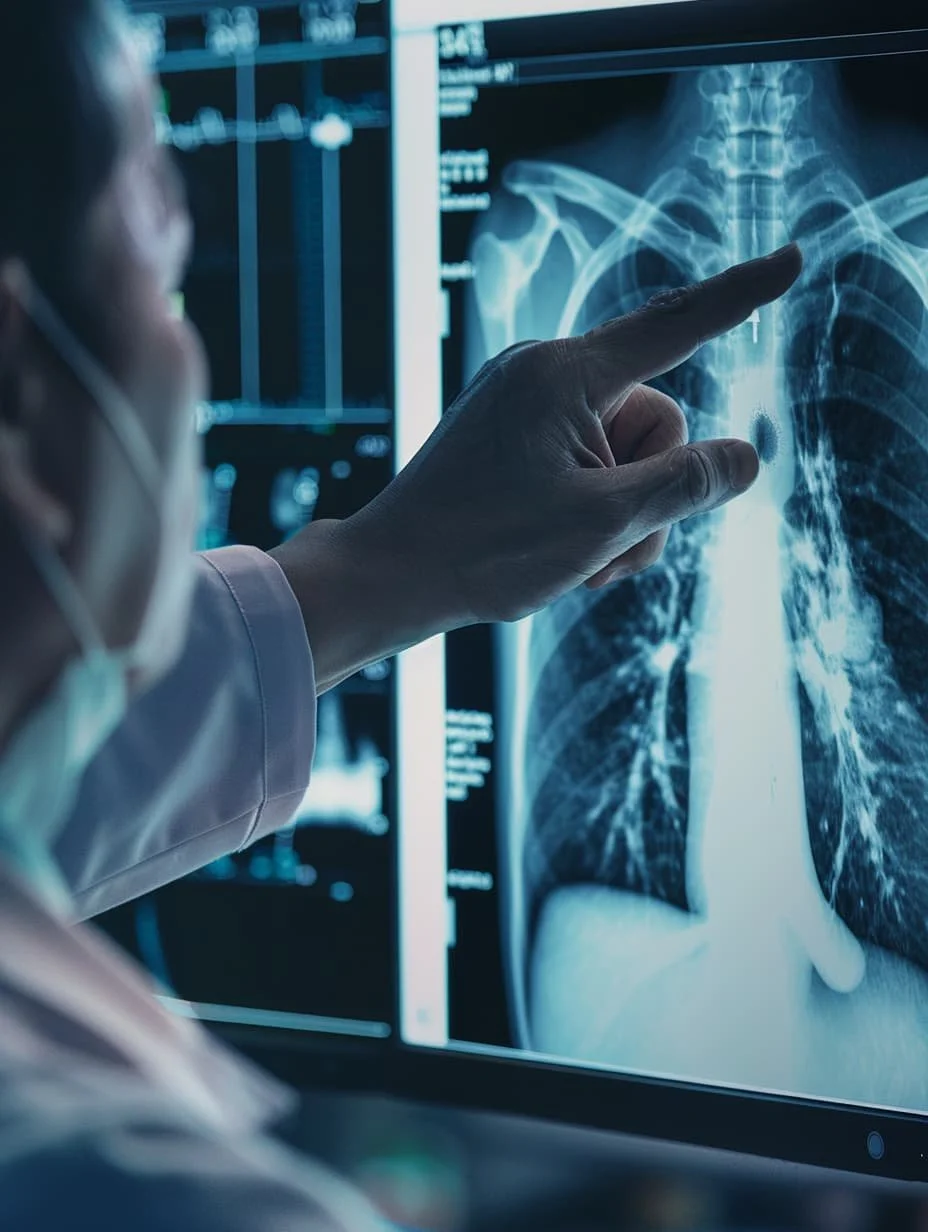
A lung nodule on a CT scan can sound terrifying. Most are not cancer. Here is what doctors mean by a pulmonary nodule, what makes one more concerning, and why follow-up matters.
All Cleared
A lung nodule on a CT scan can sound terrifying. Most are not cancer. Here is what doctors mean by a pulmonary nodule, what makes one more concerning, and why follow-up matters.
A cyst on a scan can sound alarming. In many cases, it is simply a fluid-filled pocket. Here is what doctors are actually looking for and when it matters.

Diverticulitis is a common cause of left lower abdominal pain, especially in adults. Here is how doctors diagnose it in the ER, what the CT scan shows, and when it becomes more serious.

Appendicitis often begins with vague abdominal pain, nausea, or loss of appetite before becoming more serious. Here is how doctors diagnose appendicitis in the ER, what tests help, and why timing matters.
An in-depth look at heart attacks from first symptom to catheterization. Learn how STEMI and NSTEMI are diagnosed using EKG changes and troponin, and how emergency treatment restores blood flow.
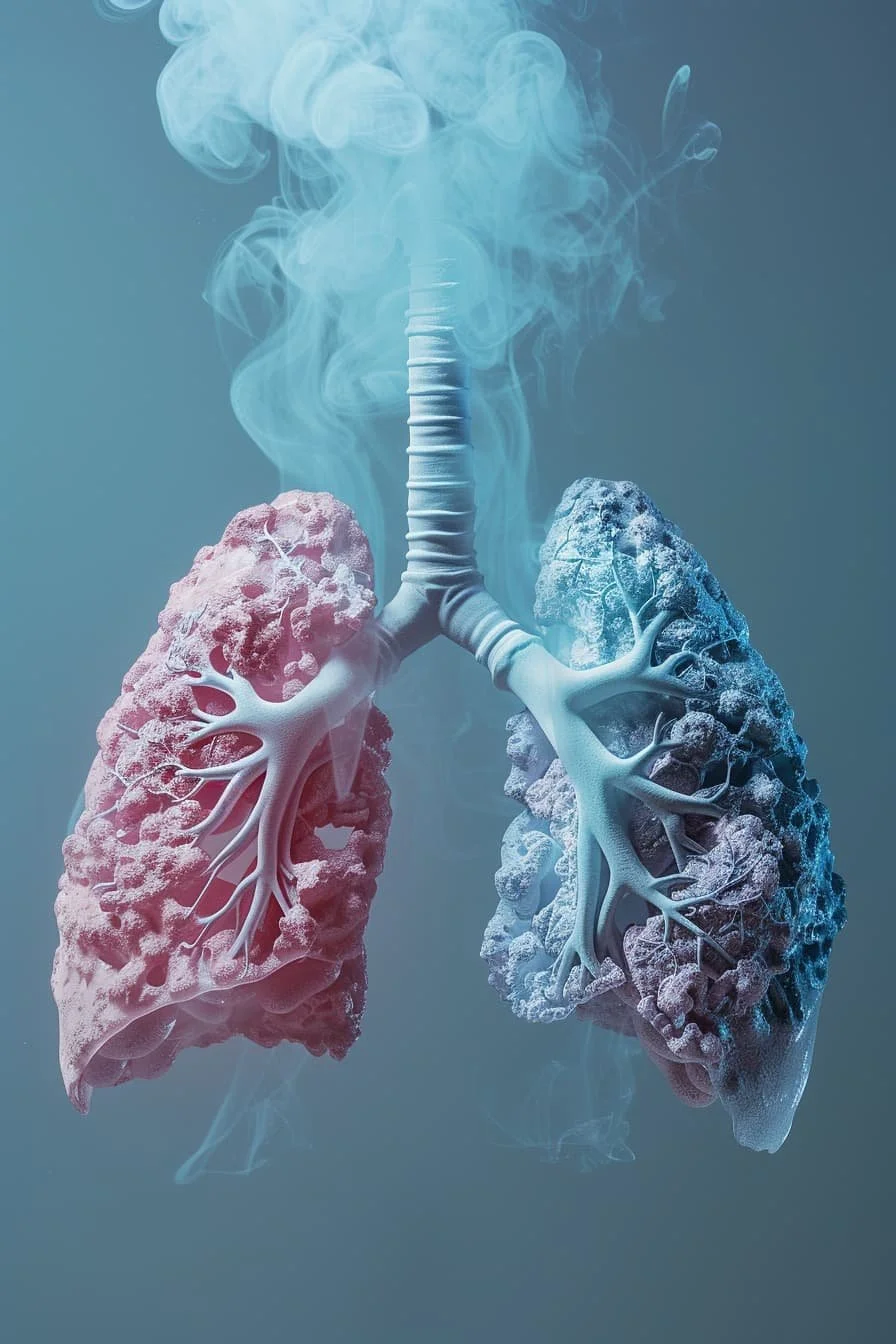
COPD is a chronic lung disease that makes it difficult to breathe, especially when exhaling. Learn why COPD develops and how flare ups are treated.
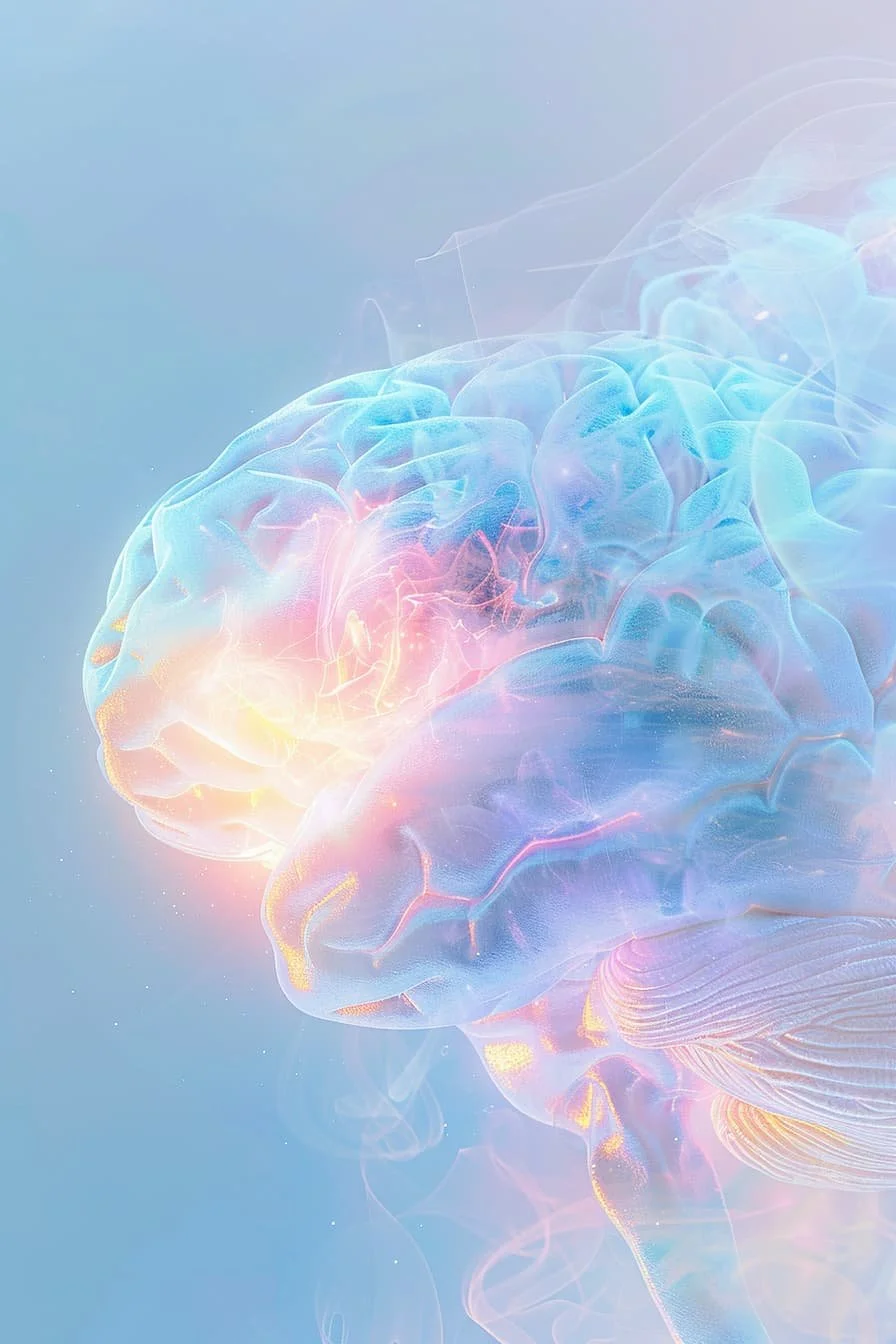
Concussions are common brain injuries caused by sudden head impact. Learn the symptoms, how doctors diagnose them, and what recovery usually looks like.

Gallbladder disease often causes severe right upper abdominal pain, especially after fatty meals. Learn how gallstones form and why surgery is often the treatment.
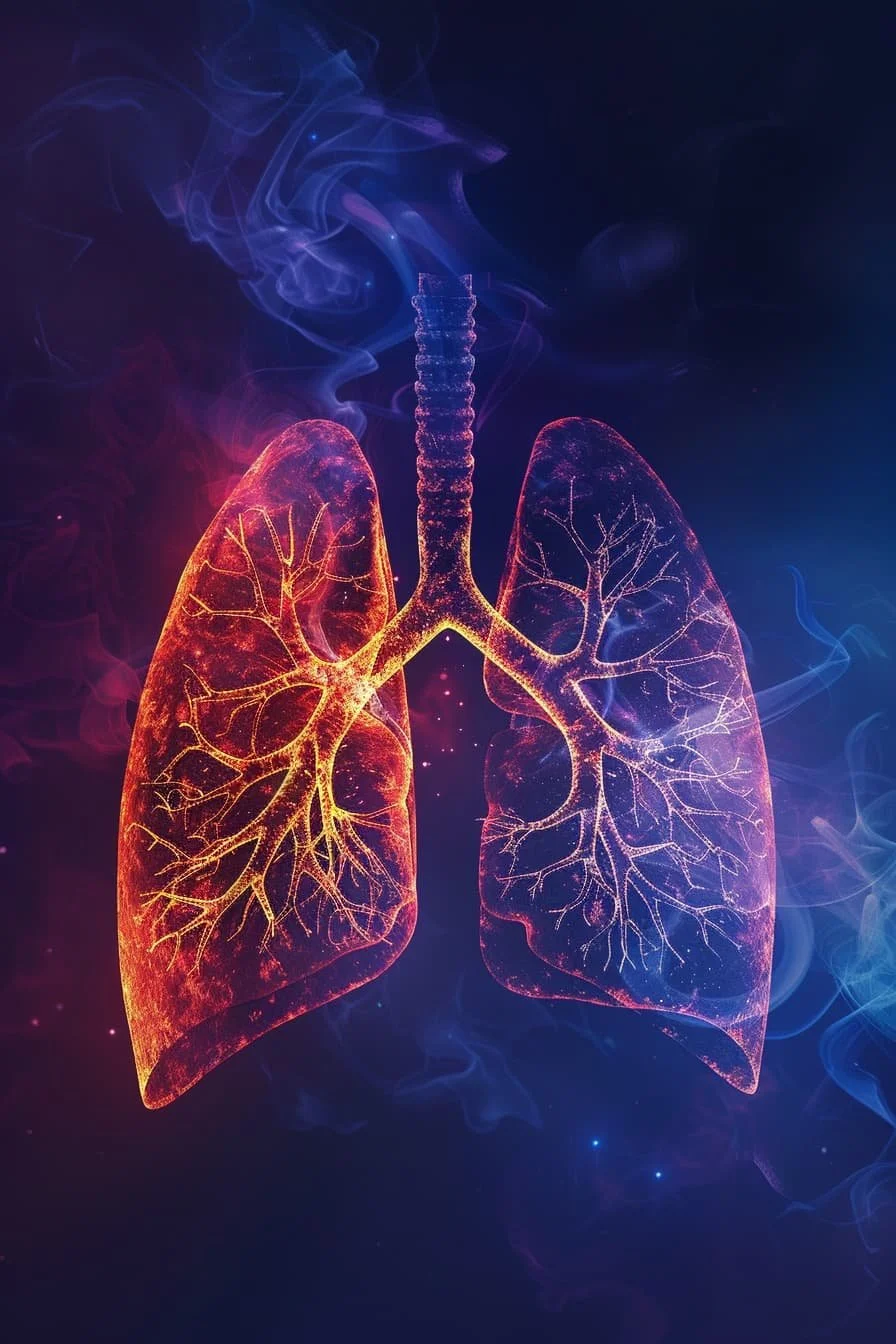
Asthma causes wheezing, chest tightness, and shortness of breath when the airways narrow. Learn what triggers asthma attacks and how doctors treat them.
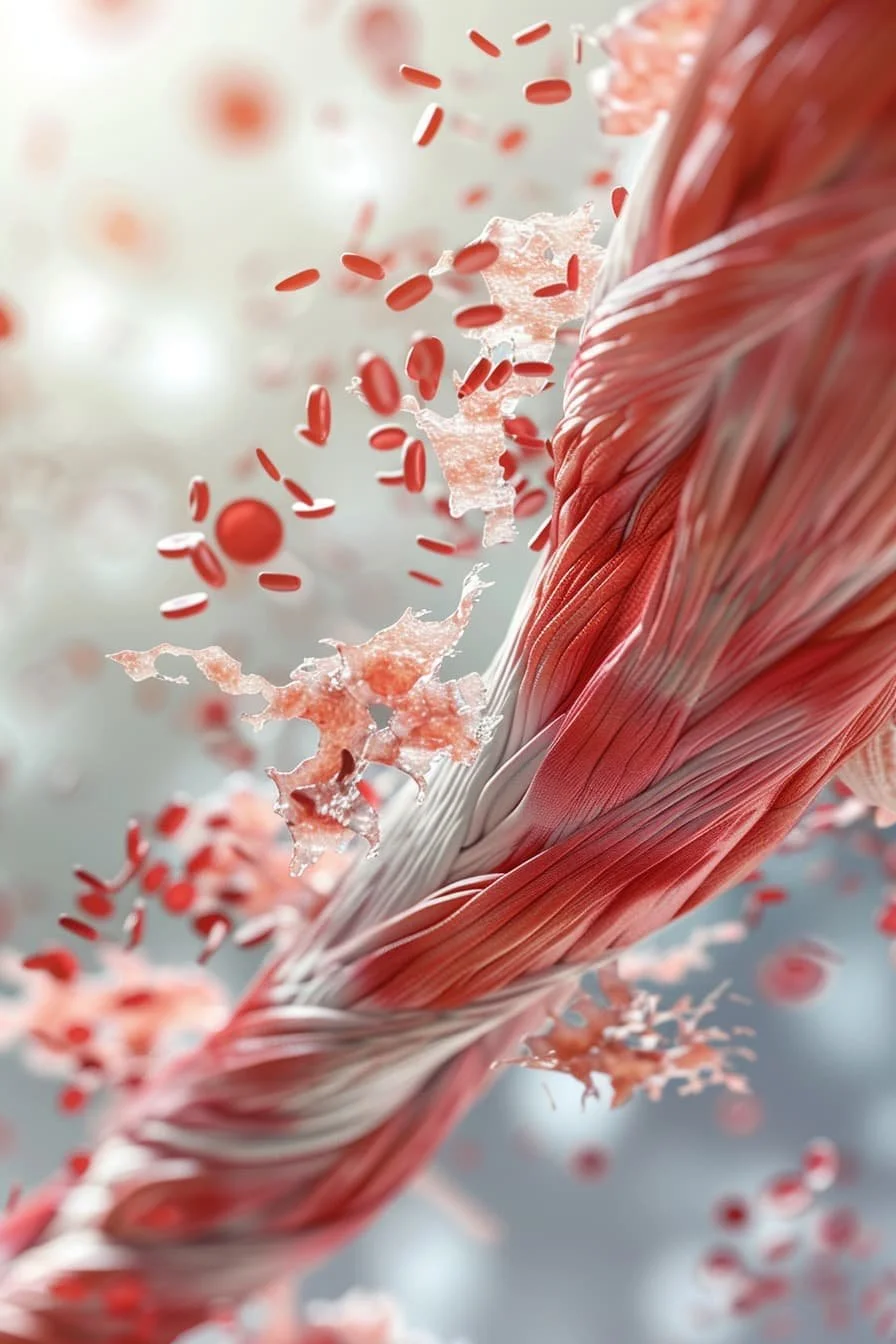
Rhabdomyolysis occurs when severe muscle breakdown releases toxins that can damage the kidneys. Learn the symptoms, causes, and treatment.
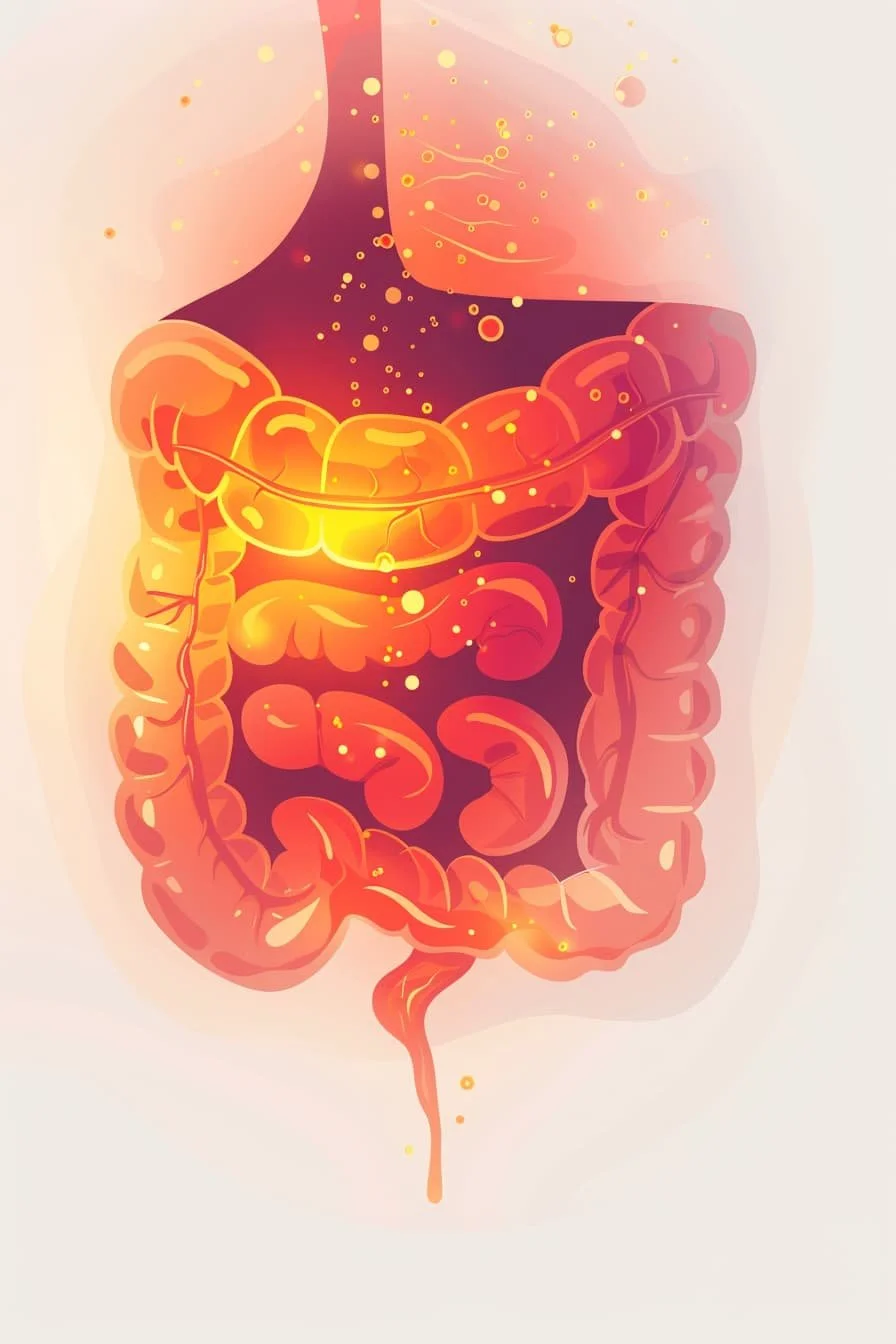
Gastrointestinal bleeding can appear as blood in vomit or stool. Learn the causes, warning signs, and how doctors diagnose and treat GI bleeds.

Migraines are intense headaches caused by abnormal brain activity. Learn the triggers, symptoms, and how doctors diagnose and treat migraines.

Seizures occur when abnormal electrical activity spreads through the brain. Learn the causes, symptoms, and how doctors diagnose and treat seizures.
Atrial fibrillation is a common abnormal heart rhythm that can cause rapid heartbeat and increase stroke risk. Learn how doctors diagnose and treat AFib.

Arrhythmias are abnormal heart rhythms that can cause the heart to beat too fast, too slow, or irregularly. Learn how doctors diagnose and treat them.

Syncope is a sudden loss of consciousness caused by reduced blood flow to the brain. Learn the causes of fainting and how doctors evaluate it
Congestive heart failure happens when the heart cannot pump blood effectively, causing fluid buildup in the lungs and body. Learn the symptoms and treatments.
Deep vein thrombosis is a blood clot that forms in the deep veins of the leg. Learn the symptoms, causes, and treatments doctors use to prevent complications.
Bacteremia occurs when bacteria enter the bloodstream. Learn why this infection can spread quickly and how doctors detect and treat it.
Urinary tract infections are one of the most common infections seen in medicine. Learn why UTIs happen, the symptoms they cause, and how they are treated.
Acute kidney injury happens when the kidneys suddenly stop filtering blood properly. Learn the common causes, symptoms, and treatments.

Meningitis is an infection of the protective covering around the brain and spinal cord. Learn how fever, stiff neck, and severe headache signal a condition that requires urgent treatment.
Kidney stones cause sudden, severe flank pain that often comes in waves. Learn why stones form, what symptoms to expect, and how doctors treat them.
Pneumonia is a lung infection that fills the air sacs with inflammatory fluid, making breathing harder. Learn how it presents, how it is treated, and when hospitalization is necessary.

Cellulitis is a bacterial infection beneath the skin that causes redness, warmth, and swelling. Learn how to recognize it, who is at risk, and when it requires hospital treatment.
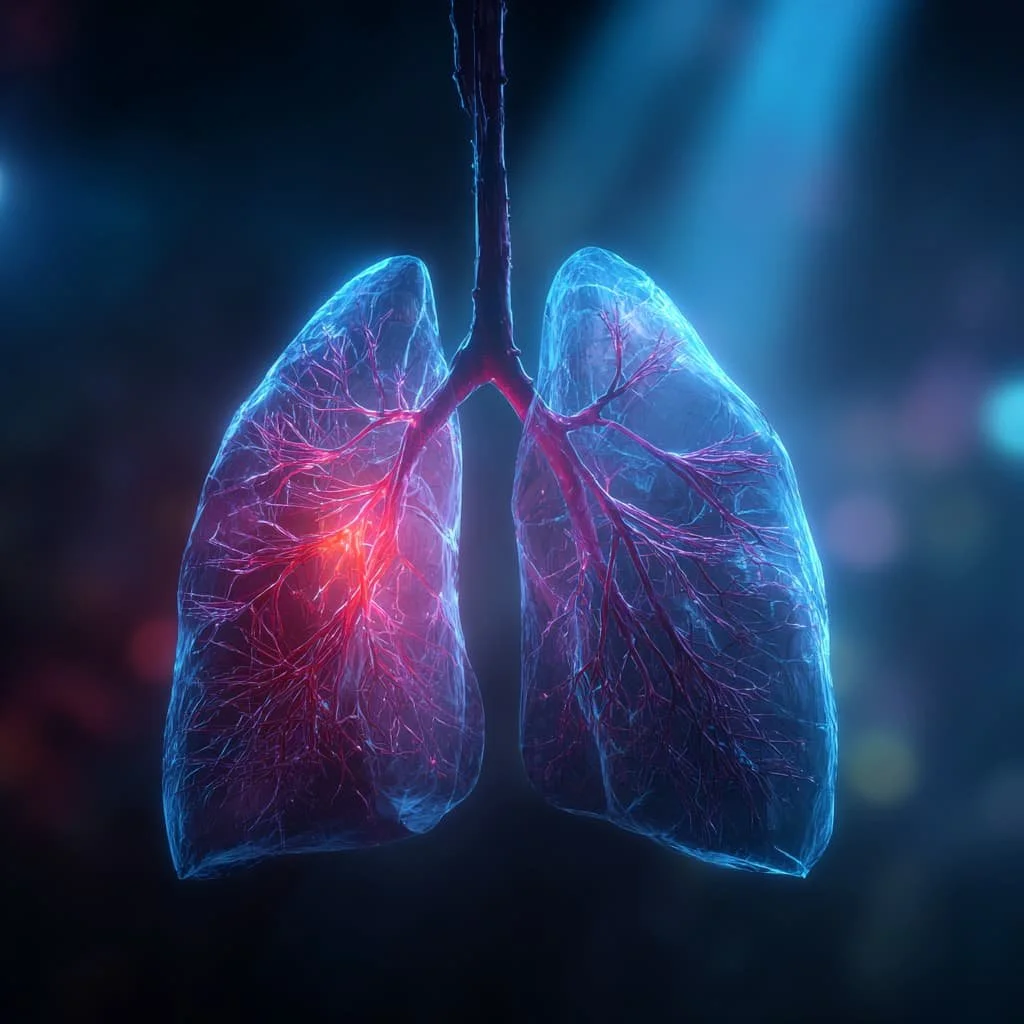
Pulmonary embolism occurs when a blood clot travels from the legs to the lungs and blocks blood flow. Learn the symptoms, risk factors, diagnostic tests, and how anticoagulation prevents dangerous complications.

An abscess is a pocket of infection trapped beneath the skin. Unlike simple cellulitis, most abscesses require incision and drainage because antibiotics alone often cannot reach the contained pus.
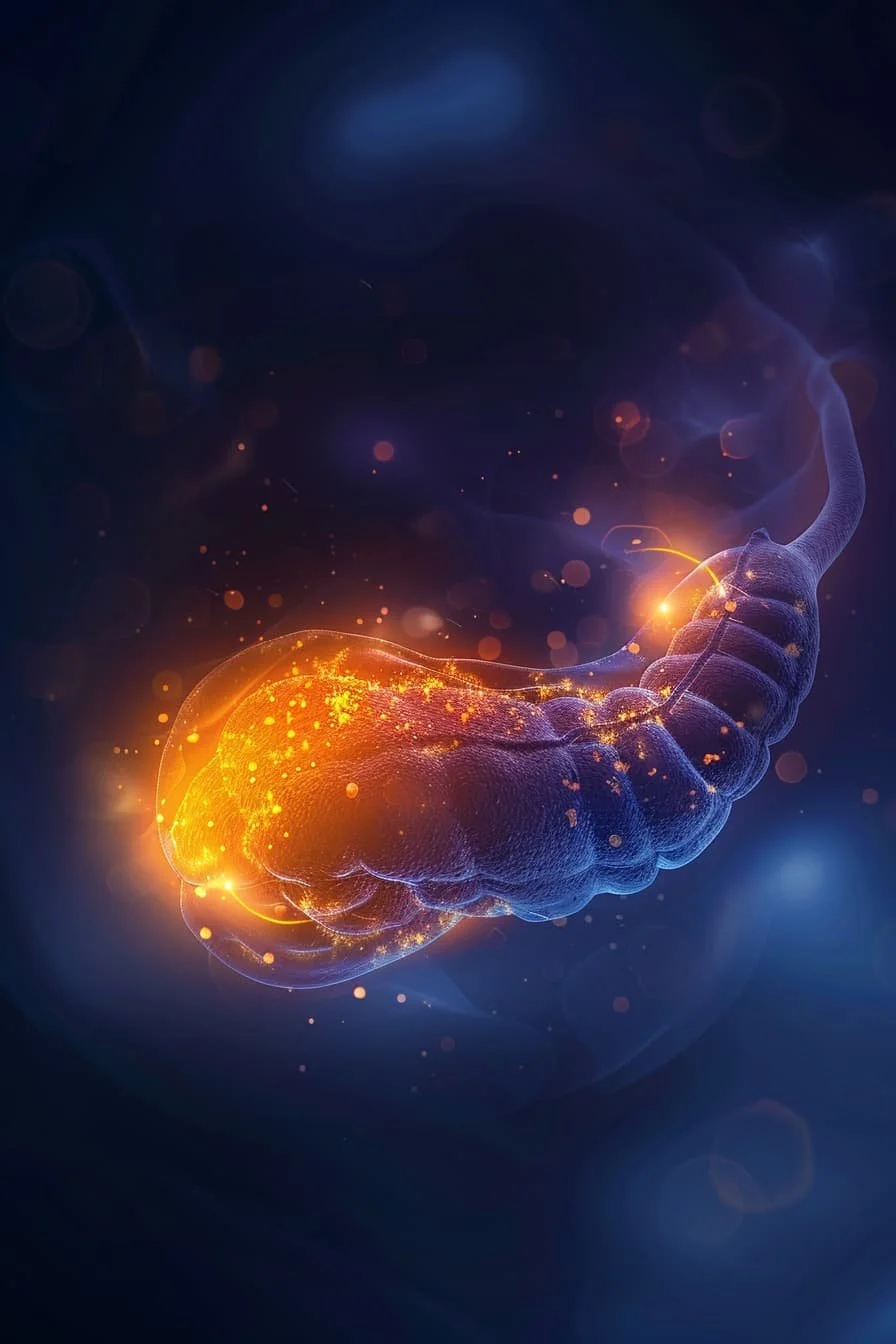
Pancreatitis causes severe upper abdominal pain, nausea, and vomiting. Learn why the pancreas becomes inflamed and how emergency doctors diagnose and treat it.