When a Skin Lesion May Be Serious
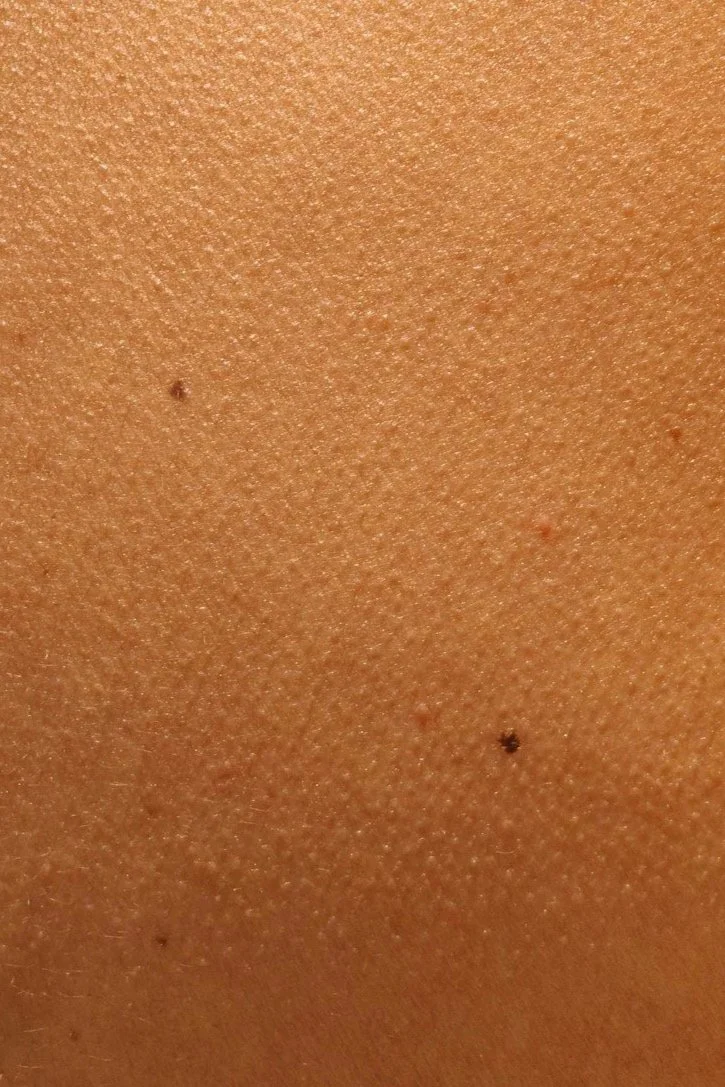
Ask an Expert. Dermatologist Dr. Humza Ilyas explains which skin lesion changes are concerning and how they are evaluated.
What is the first thing going through your mind when a patient comes in with a concerning skin lesion?
The first question is whether the lesion, meaning a spot or abnormal area on the skin, is likely to represent a skin cancer, an atypical or pre-cancerous mole, or a benign finding.
From there, and often after assessing the lesion with a handheld scope called a dermatoscope, we decide whether the lesion requires a biopsy. A dermatoscope allows a closer look at patterns and structures within the skin that are not visible to the naked eye. A biopsy means taking a small sample of tissue so it can be examined under a microscope.
What do most patients get completely wrong about skin cancer?
Many patients do not realize that consistent use of sunscreen, even after they have already developed skin cancer, can reduce their future risk of additional skin cancers.
While skin cancer is heavily influenced by a person’s sun exposure history in youth, sun exposure in adulthood and beyond can still increase risk. Protection over time continues to matter.
When do you know a skin lesion might be something serious?
Skin lesions that change rapidly, bleed, change color, or produce symptoms including pain are often, though not always, concerning. Many skin findings are not dangerous and may be more consistent with common rashes.
Doctors rely on the patient’s history and the physical appearance of the lesion to assess how serious it may be. These factors help guide whether a biopsy is needed and how best to treat it.
A case that stuck with me
Early in my career, I was referred a teenage patient for removal of what was believed to be a benign skin cyst, which is a common, usually harmless growth filled with keratin, a protein found in dead skin cells, on his back. At the time of surgery, when I made the initial incision, I quickly found a calcified, rock-hard growth, meaning the tissue had hardened and was not consistent with a typical cyst.
The pathology, which is the microscopic examination of the tissue, came back as an aggressive type of bone cancer that had spread to the skin. This type of case reiterates the need to have new or changing skin growths evaluated by a dermatologist.
THE BOTTOM LINE
Most skin lesions are not dangerous but certain changes and patterns should not be ignored. Evaluation focuses on identifying lesions that may need closer testing or treatment.
Even lesions that appear simple can occasionally represent something more serious, which is why concerning changes should never be ignored.
About the Expert
Dr. Humza Ilyas is a Board-Certified Dermatologist and Mohs Surgeon at Olansky Dermatology & Aesthetics in Atlanta, GA
This article is for educational purposes only and is not a substitute for medical advice from your own healthcare provider.