ER Essentials
Tests, Diagnoses, Procedures, and Medications Explained
Recently Cleared

The Tests

The Diagnosis


The Procedures


The Medications

The Team

ER Lexicon
Tests, Diagnoses, Procedures, and Medications Explained
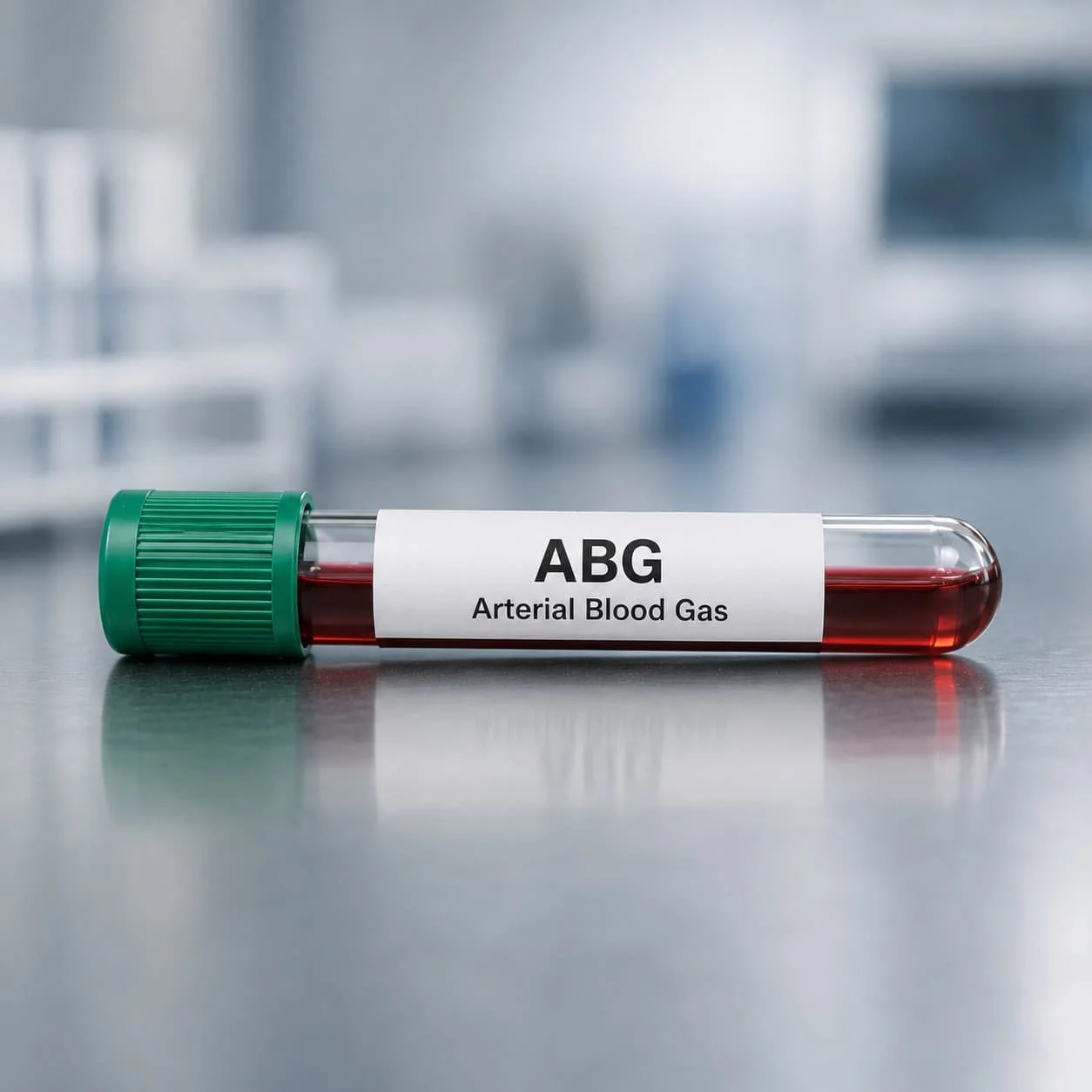
A blood draw from the wrist is sharper and more deliberate than the usual stick in the arm. Emergency physicians order it when they need to know exactly how well your lungs are working and whether your blood is becoming dangerously acidic. Here is what an arterial blood gas measures and why it sometimes changes everything.
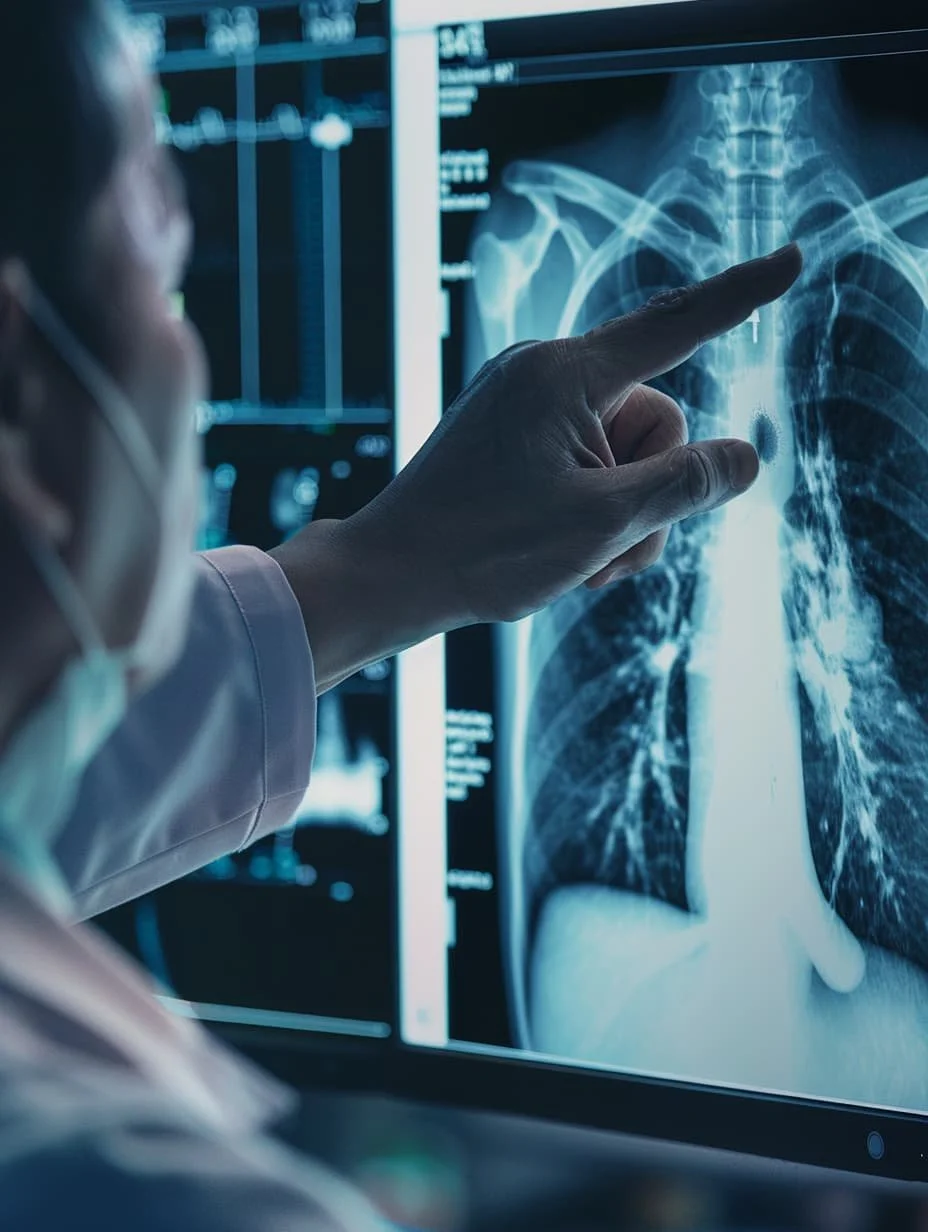
A lung nodule on a CT scan can sound terrifying. Most are not cancer. Here is what doctors mean by a pulmonary nodule, what makes one more concerning, and why follow-up matters.
Appendicitis often begins with vague abdominal pain, nausea, or loss of appetite before becoming more serious. Here is how doctors diagnose appendicitis in the ER, what tests help, and why timing matters.
A blood draw from the wrist is sharper and more deliberate than the usual stick in the arm. Emergency physicians order it when they need to know exactly how well your lungs are working and whether your blood is becoming dangerously acidic. Here is what an arterial blood gas measures and why it sometimes changes everything.
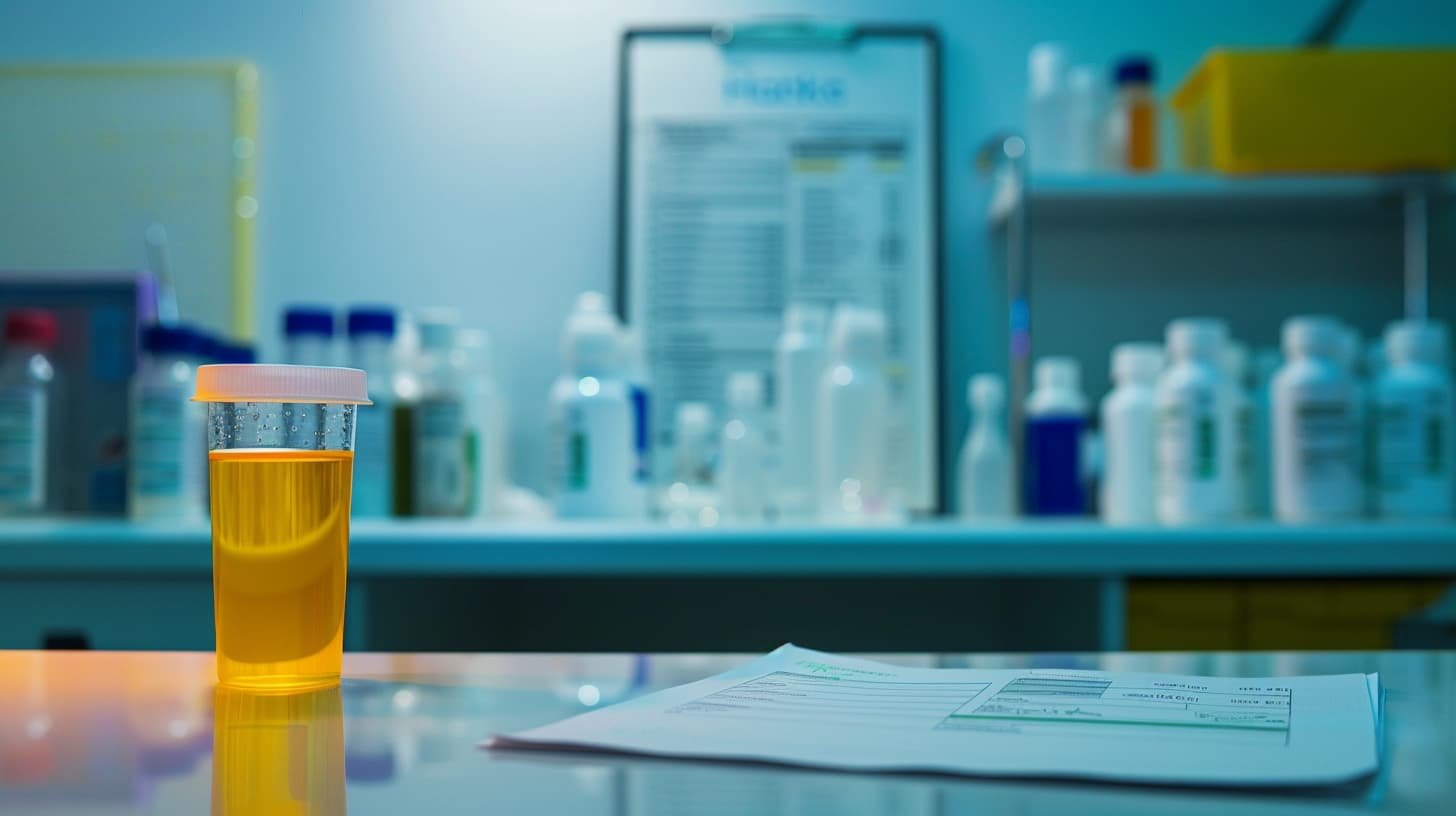
Urinalysis is a common urine test that helps detect infections, kidney problems, dehydration, and more. Learn how doctors interpret it.
Blood cultures help doctors detect infections in the bloodstream. Learn how this test works and why it is used in serious infections.
A lung nodule on a CT scan can sound terrifying. Most are not cancer. Here is what doctors mean by a pulmonary nodule, what makes one more concerning, and why follow-up matters.
A cyst on a scan can sound alarming. In many cases, it is simply a fluid-filled pocket. Here is what doctors are actually looking for and when it matters.
Diverticulitis is a common cause of left lower abdominal pain, especially in adults. Here is how doctors diagnose it in the ER, what the CT scan shows, and when it becomes more serious.
A central line is a large IV placed into a major vein to deliver powerful medications and rapid fluids. Learn how it supports patients in septic shock, trauma, and critical illness.
A chest tube is used in emergencies to remove trapped air or blood from the chest cavity. Learn how pneumothorax and tension pneumothorax are treated so the lung can safely re expand.
A lumbar puncture, or spinal tap, helps diagnose meningitis, brain bleeding, and dangerous pressure inside the skull. Learn how the procedure works and why it is sometimes essential in emergency care.