When Seconds Matter

Time-sensitive emergencies.
Some problems are measured in minutes. Early treatment changes outcomes.
Recently Cleared
Sepsis is not “just an infection.” It is a whole-body emergency that can cause rapid deterioration, organ failure, and shock. This article explains what sepsis is, how it presents, and why every minute matters.
All Cleared

Anaphylaxis is not “just an allergic reaction.” It is a whole-body emergency that can rapidly affect breathing, blood pressure, and the airway. This article explains what anaphylaxis looks like and why every minute matters.

Testicular torsion is one of the most time-sensitive emergencies in young men and boys. This article explains what it is, how it presents, how it is diagnosed, and why fast treatment matters.
Sepsis is not “just an infection.” It is a whole-body emergency that can cause rapid deterioration, organ failure, and shock. This article explains what sepsis is, how it presents, and why every minute matters.

DKA is one of the most dangerous emergencies caused by uncontrolled diabetes. This article explains what diabetic ketoacidosis is, why it happens, what symptoms it causes, and how ER doctors recognize and treat it fast.

Ovarian torsion is a medical emergency that can be missed on CT scan but seen on ultrasound. This article explains how it presents, why it happens, and why fast diagnosis is critical to save the ovary.
Cardiac arrest occurs when the heart suddenly stops pumping blood and there is no pulse. Learn how CPR, defibrillation, and rapid identification of reversible causes can restore circulation and save lives.
Hypertensive emergency occurs when extremely high blood pressure begins damaging organs such as the brain, heart, lungs, or kidneys.
A stroke occurs when blood flow to part of the brain is suddenly blocked. Learn the warning signs, why time is brain, and how clot busting medication and mechanical thrombectomy can restore circulation.
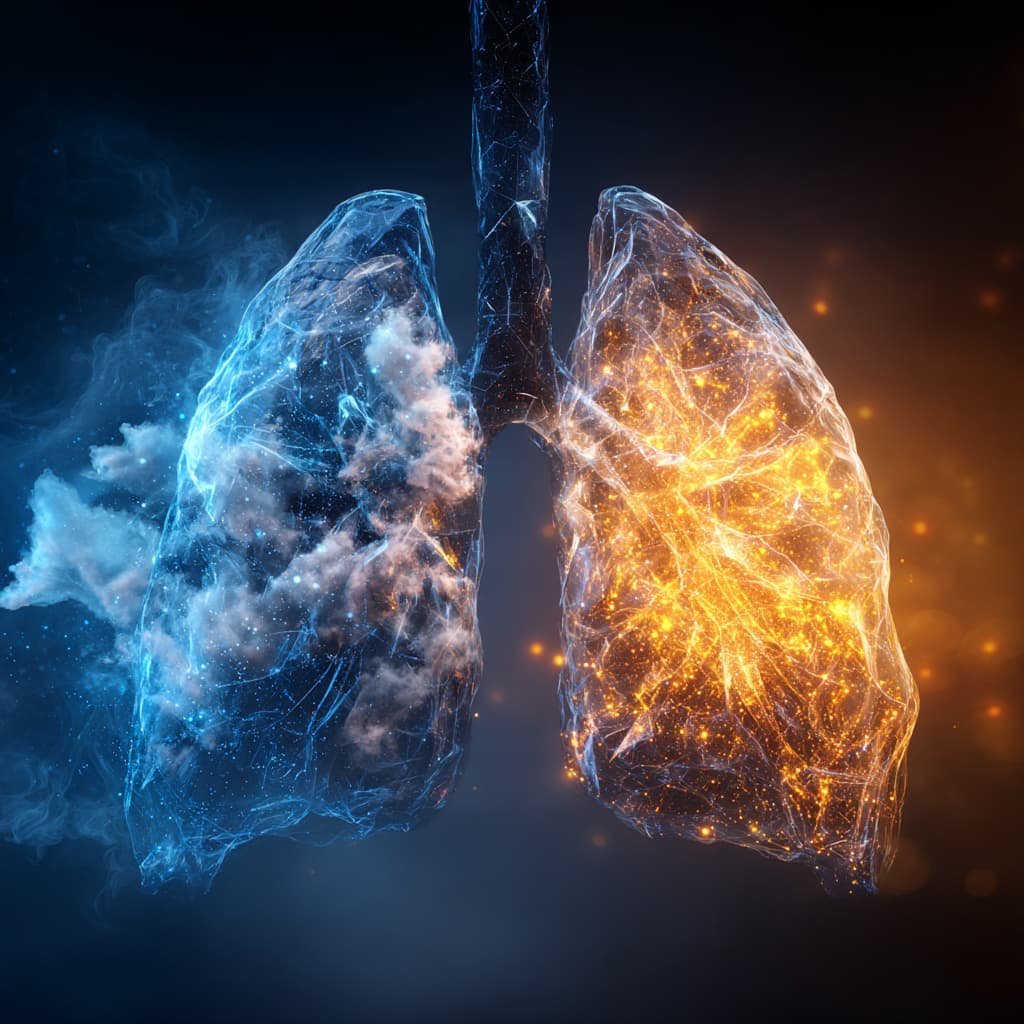
Pneumothorax, or collapsed lung, happens when air escapes into the pleural space and compresses the lung. Learn why sudden chest pain and shortness of breath can signal this condition and how it is treated.
Aortic dissection is a life threatening tear in the body’s largest artery. Learn why sudden chest pain that radiates to the back demands immediate evaluation and rapid blood pressure control.
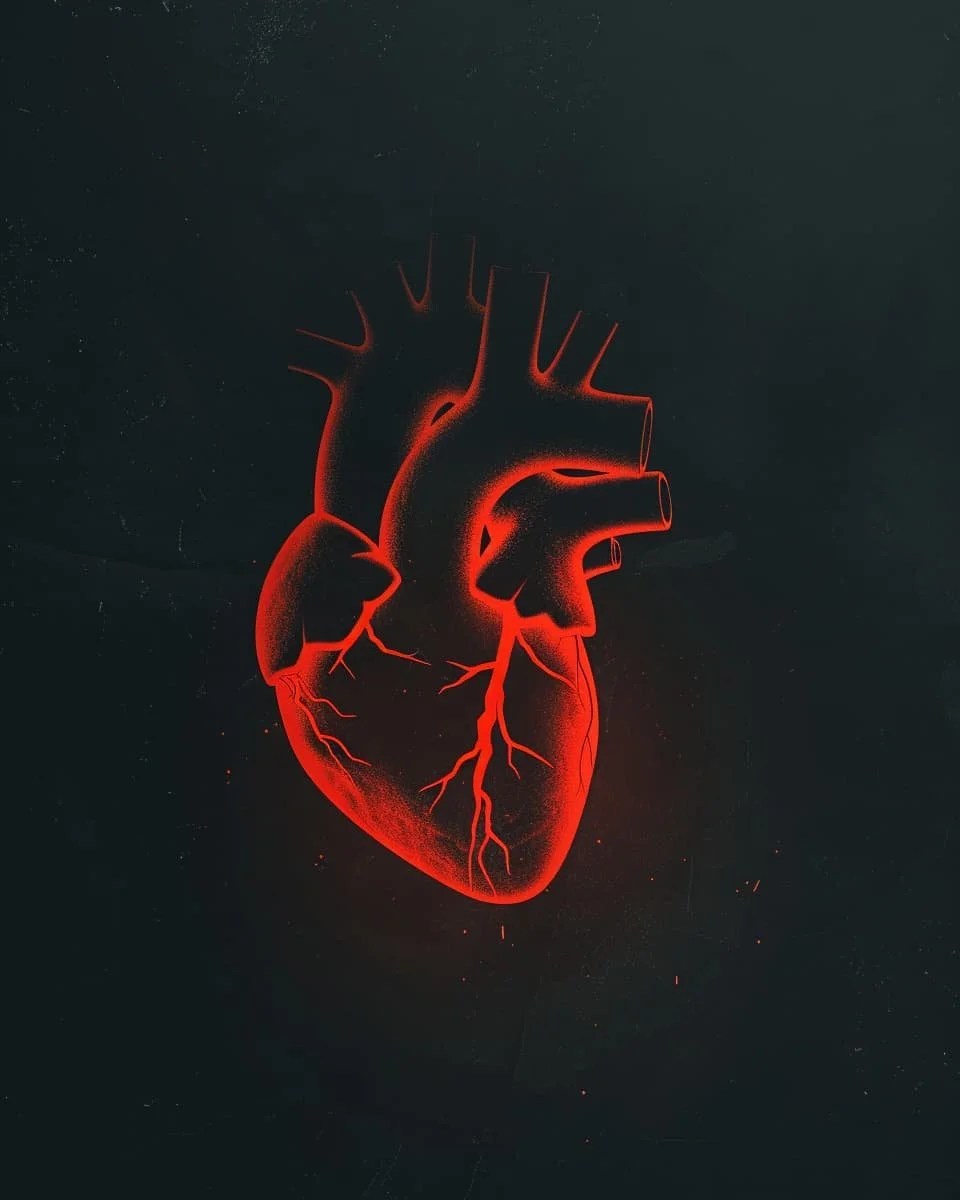
A heart attack occurs when a coronary artery suddenly becomes blocked, cutting off blood flow to heart muscle. Learn the symptoms, how it is diagnosed, and why rapid treatment saves lives.
A sudden explosive headache can signal subarachnoid hemorrhage, a dangerous form of bleeding around the brain often caused by aneurysm rupture. Learn how it presents, how it is diagnosed, and why rapid evaluation matters.