When a Headache Is More Than Just a Headache
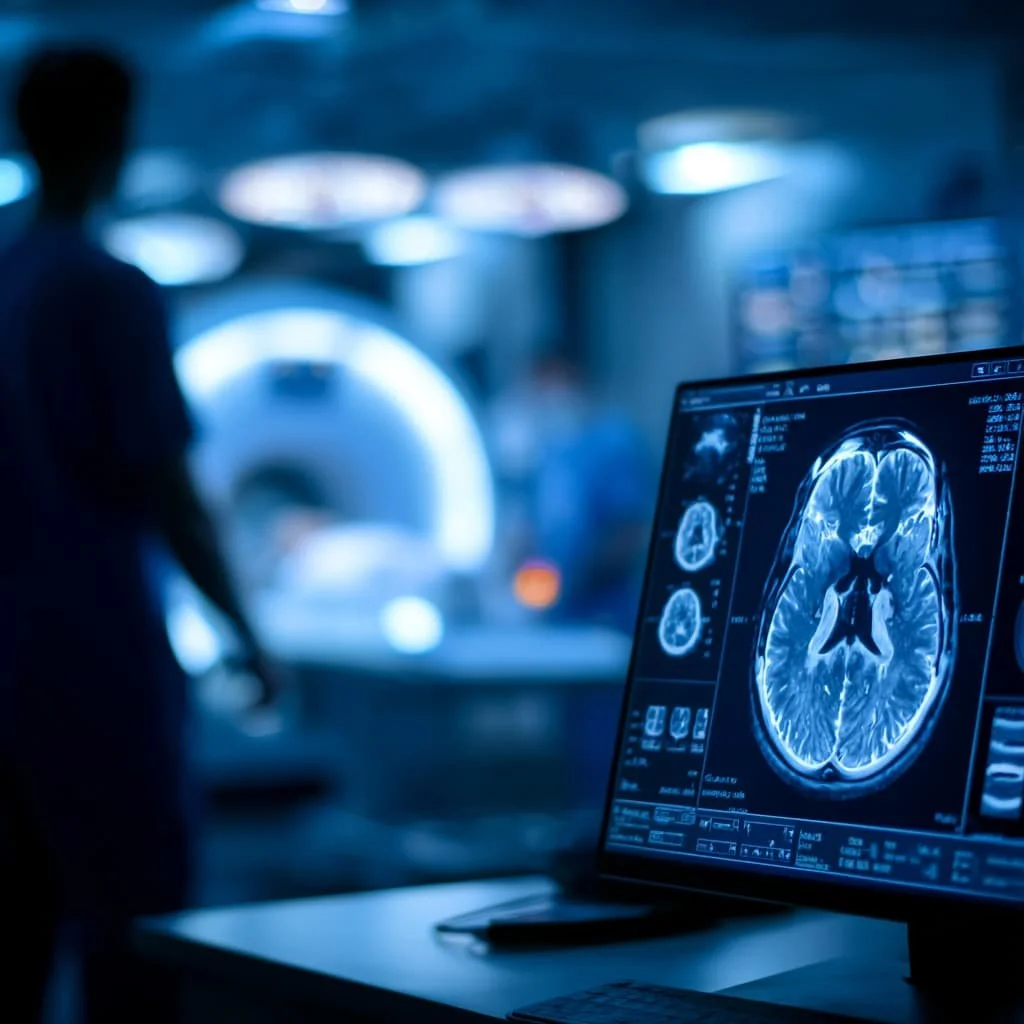
Headache in the ER and What Doctors Are Really Looking For
The Thunder That Was Not There
One of my first true “do not miss this” moments in residency was a man who woke up hearing thunder. It was not raining. He described it as an explosion inside his head. The worst headache of his life. The pain was immediate. Not gradual. Not building. Instant. That patient had a subarachnoid hemorrhage. A bleed into the space around the brain.
Another patient, a college student, came in with fever, neck stiffness, and severe headache. He could barely tolerate light. He had meningitis, an infection of the protective layers surrounding the brain.
A third patient had used cocaine. His blood pressure surged. His headache came on fast and violent. He also had a brain bleed.
And then there was the man whose family said, “He just isn’t acting like himself.” Personality change. Persistent headaches. He had a frontal lobe tumor. Headache is common. But sometimes it is catastrophic.
Not All Headaches Are Dangerous
Here is the balancing act. For every dangerous headache, there are dozens that are not.
Migraines are common. They can be severe. They can cause nausea, vomiting, and light sensitivity. They can feel crushing. But they are not bleeding. Tension headaches feel like a band tightening around the head. Stress driven. Muscle driven. Cluster headaches are intense and one sided, often around the eye, with tearing and nasal congestion. Many headaches have no single identifiable structural cause. The brain is complex. Neurology is humbling. Even with modern imaging, not every headache gets a neat explanation.
In the ER, our job is not to label every headache perfectly. Our job is to decide who is dangerous.
The Red Flags We Take Seriously
Certain features immediately raise concern:
Sudden onset worst headache of life
Headache with fever and neck stiffness
Headache after head trauma
Headache with neurological deficits like weakness or slurred speech
New headache in someone over age 50
Headache with vision changes
Headache with altered personality
A sudden explosive headache makes us think of subarachnoid hemorrhage. Fever and neck stiffness suggest meningitis. Temporal artery tenderness in someone over 50 makes us think of temporal arteritis, an inflammatory condition of scalp arteries that can threaten vision. Neurological deficits (numbness, difficulty speaking, or weakness for instance) raise concern for stroke or mass effect. The story guides the urgency.
What the Workup Looks Like
A CT scan of the head is often the first test in severe or sudden headaches. It can quickly identify bleeding, large masses, or swelling.
If we suspect meningitis or subarachnoid hemorrhage and the CT scan is normal, we may perform a lumbar puncture. That test samples cerebrospinal fluid, the clear fluid that surrounds the brain and spinal cord. Blood in that fluid suggests bleeding. White blood cells and bacteria suggest infection. Blood work may check for inflammation or infection. In suspected temporal arteritis, we look at markers like ESR and CRP. Not every headache needs imaging. That decision depends on the story and exam.
How We Treat Headaches
Treatment depends on cause.
Migraines respond well to medications like metoclopramide, diphenhydramine, ketorolac, and sometimes steroids such as dexamethasone. We often give fluids. A dark quiet room helps. We avoid narcotics for routine headaches. They do not treat the underlying mechanism and can create dependency and rebound headaches.
If the cause is infection, antibiotics are started immediately. If the cause is bleeding, neurosurgery is involved. If the cause is inflammation, steroids may be used. The treatment must match the diagnosis.
The Emotional Side
Headaches are frightening because the brain feels sacred. When pain lives in your head, it feels personal. Most headaches are not life threatening. But the few that are demand respect.
That is why we ask so many questions. That is why we sometimes scan. That is why we sometimes perform a lumbar puncture even when the first test looks normal. Because thunder inside your head is not something we ignore.
THE BOTTOM LINE
• Headache is a common ER complaint that ranges from benign migraines to life threatening brain bleeds and infections
• Sudden severe onset, fever, neurological changes, or new headache in older adults require urgent evaluation
• The ER approach focuses on ruling out dangerous causes before treating and discharging more common benign headaches
By Dr. Karim Ali. Emergency Physician