Meditation: Training the Mind Before Life Gets Loud
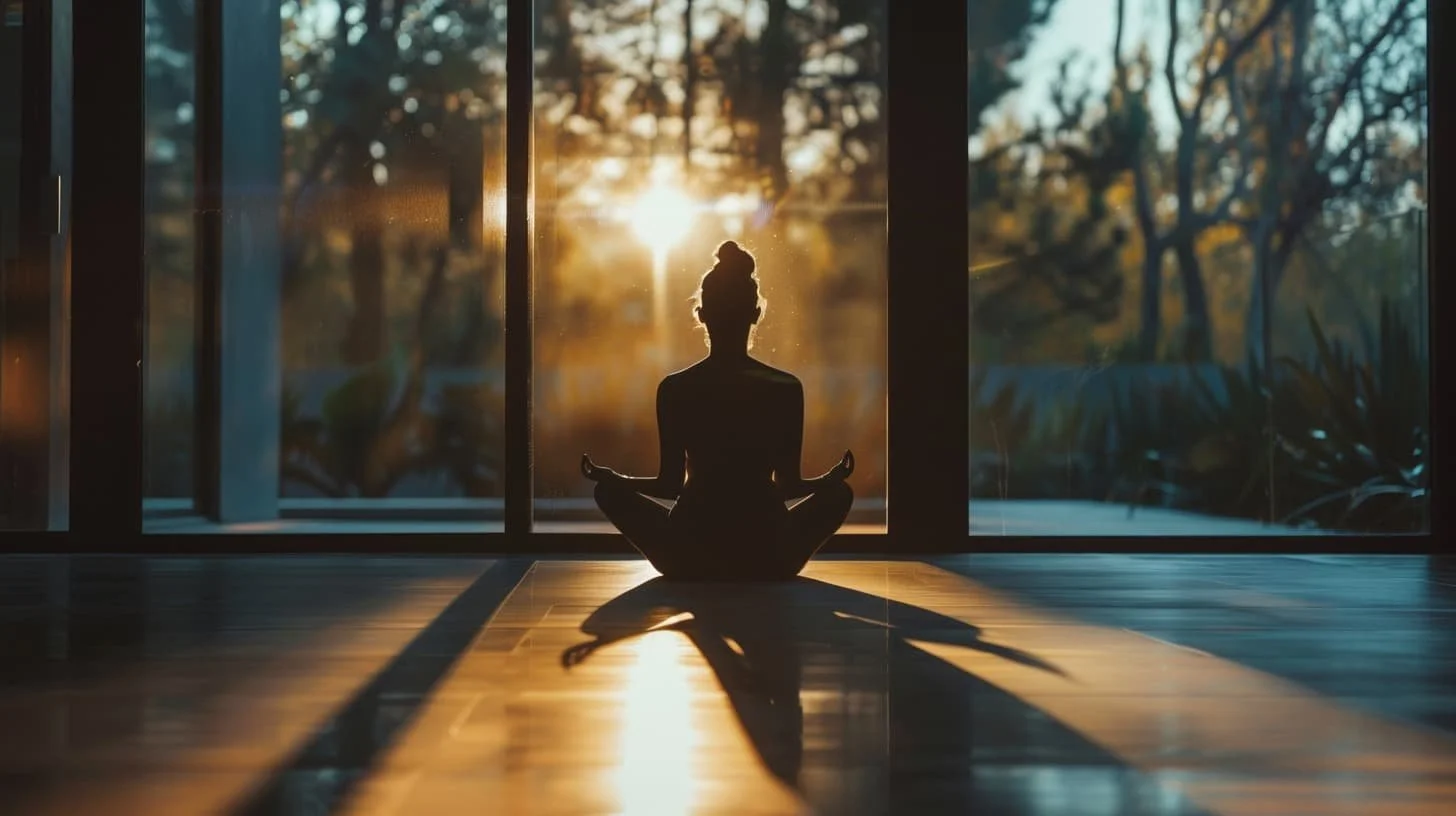
A simple 3 step method to build mental clarity before stress arrives
Mental Wealth Is the Foundation
Financial success matters. Physical health matters. Relationships matter. But beneath all of it sits mental clarity. The state of the mind shapes perception. Perception shapes decisions. Decisions shape outcomes.
A restless mind magnifies stress. A steady mind absorbs it. Meditation is not escape. It is training. It strengthens the part of the brain that chooses response over reaction.
The Modern Mind Rarely Rests
The human nervous system was not built for constant stimulation. Yet modern life demands continuous input. Notifications. Deadlines. Noise. The brain rarely experiences true stillness.
Meditation activates the parasympathetic nervous system, the body’s rest and recovery branch. Heart rate slows. Blood pressure decreases. Stress hormones such as cortisol decline. The body shifts from survival mode toward regulation.
What Happens in the Brain During Meditation?
Functional MRI studies show that meditation reduces activity in the default mode network. This network is associated with rumination and repetitive self focused thinking. In practical terms, it quiets mental chatter.
At the same time, meditation strengthens areas of the prefrontal cortex responsible for attention and emotional regulation. Repeated practice promotes neuroplasticity, the brain’s ability to rewire itself. Attention becomes steadier. Emotional reactivity softens.
The Three Step Method
Meditation does not need to be complicated.
Step 1: Relax the body. Slowly scan from head to toe. Release tension in the jaw, shoulders, chest, abdomen, and legs. Physical relaxation signals safety to the brain.
Step 2: Focus on one breath. One inhale. One exhale. Attention anchored to sensation. Nothing more.
Step 3: Stay curious. Instead of fighting thoughts, observe them. Ask quietly, “What thought will come next?” Curiosity turns distraction into observation.
The Rider and the Elephant
Thoughts will still appear. That is normal. The goal is not to eliminate them. The goal is to observe them without being carried away.
Think of the mind as powerful and emotional, like an elephant. Meditation strengthens the rider. Over time, space develops between stimulus and response. That space is resilience.
Does It Actually Work?
Research links consistent meditation to lower blood pressure, improved sleep, reduced anxiety symptoms, improved heart rate variability, and better concentration. It has been shown to reduce inflammatory markers and improve mood stability.
No equipment is required. No subscription. No performance metrics. Even five focused minutes can begin to shift the nervous system. Consistency matters more than duration.
THE BOTTOM LINE
• Meditation strengthens attention and emotional regulation through measurable brain changes
• It activates the body’s calming nervous system and lowers stress hormone activity
• Use the three step method: 1. Relax the body, 2. Focus on one breath at a time 3. Say curious
By Dr. Karim Ali, Emergency Physician
Wellness Disclaimer - This content is for education and personal reflection only. It is not individualized medical advice. Always consult your healthcare professional before making significant lifestyle changes