Pulmonary Embolism Symptoms, Causes, and Treatment
When Shortness of Breath Was Not Just Jet Lag
The Window Seat
I was a Senior Resident Physician when she came in.
She had just returned from Bangkok. Sixteen hours in a window seat. She slept most of the flight, knees bent, legs tucked in, barely moving. Two days later she felt winded walking across her living room. Then came the chest pain. Sharp. Worse when she took a deep breath.
She did not look dramatic. She was not gasping. She was not clutching her chest. She simply said, “I don’t feel right.”
Those are the cases that stay with you.
What I Was Worried About
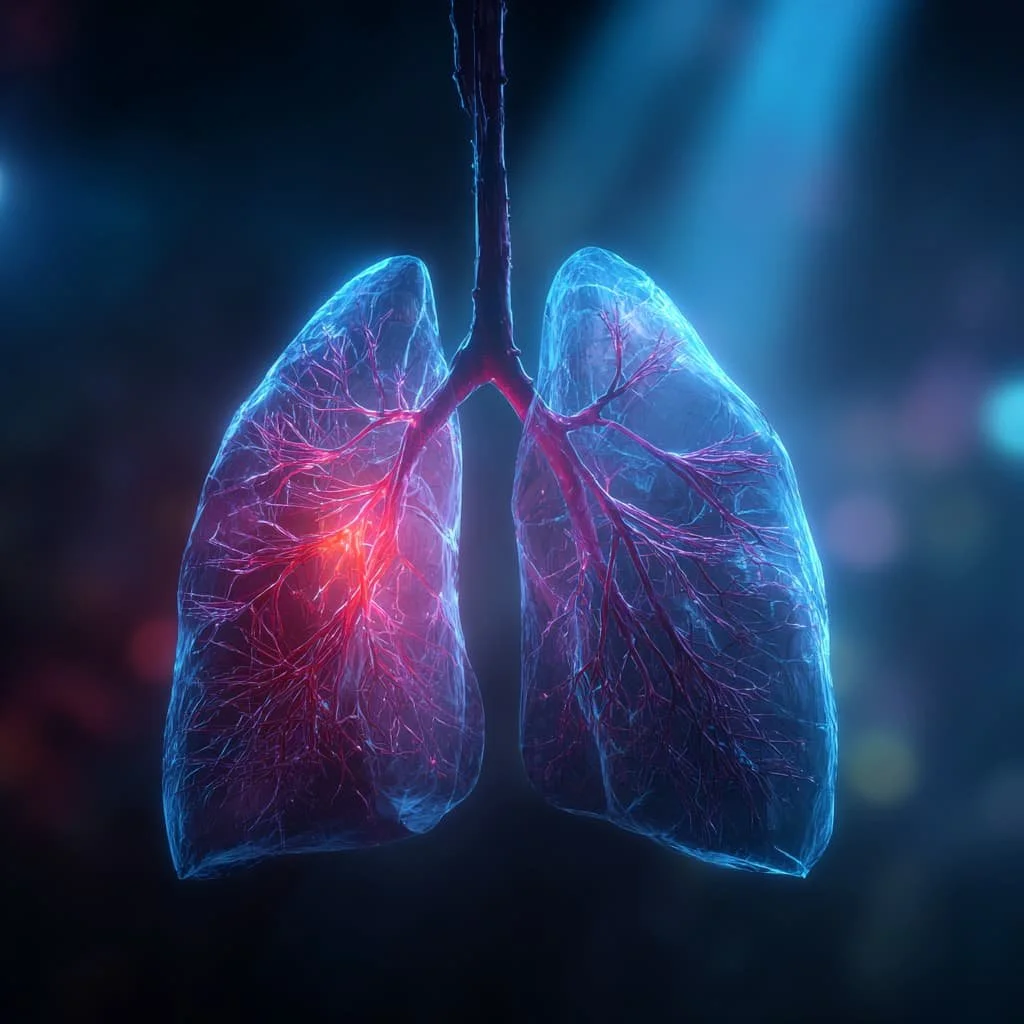
Pulmonary embolism, or PE, is a blood clot lodged in the arteries of the lungs. Most of the time, the clot begins in the deep veins of the legs. That clot is called a deep vein thrombosis, or DVT. When part of it breaks free, it travels through the venous system, passes through the right side of the heart, and becomes trapped in the pulmonary arteries.
The lungs act as a filter. Small clots can get stuck there and cause minimal symptoms. Large clots block blood flow and increase pressure inside the pulmonary circulation. That pressure strains the right ventricle chamber of the heart. When the right ventricle struggles, everything downstream feels it.
She had classic risk factors. Prolonged immobility. A long flight. Blood sitting still in bent legs. Stasis is one part of something we call Virchow’s triad. The other two are injury to the vessel wall and hypercoagulability, meaning blood that has an increased tendency to clot. When those three align, clots form.
Why She Felt So Short of Breath
The lungs are not just bags of air. They are an exchange system. Blood arrives from the right side of the heart, picks up oxygen in the alveoli, and returns to the left side to be pumped to the body. When a clot blocks part of that circulation, air continues to move in and out, but blood does not reach that region. This is called ventilation perfusion mismatch. The body senses the drop in effective oxygen transfer. Heart rate rises. Breathing quickens.
Her oxygen saturation was slightly low. Not terrible. Just enough to tell us something was wrong. Her heart rate was elevated. Not extreme. Just enough to make me uneasy. Medicine is often about noticing the “just enough.”
Confirming the Diagnosis
We checked a D dimer, a blood test that detects fragments produced when clots break down. It was elevated. That did not prove PE, but it justified imaging. A CT pulmonary angiogram confirmed it. A clot sitting in her pulmonary artery. Not massive. Not causing shock. But significant enough to matter.
In large pulmonary emboli, we sometimes see troponin or BNP elevated. Those are markers of heart strain. The right ventricle can become dilated and weakened under sudden pressure. In extreme cases, blood pressure collapses. That is called a massive PE. She was not there. But she could have been.
A Second Lesson
Later in residency I saw another patient who sadly developed a pulmonary embolism after sleeping in his car for weeks. He had recently lost his job and was living out of his vehicle. Curled up. Barely moving at night. Blood sitting still in bent legs.
Different life circumstances. Same physiology. The body does not care why you are immobile. It only responds to what it experiences.
Treatment and Perspective
We started anticoagulation. Blood thinners do not dissolve clots directly. They prevent new clots from forming and allow the body to gradually break down the existing one. Today we often use direct oral anticoagulants. Back then we frequently used heparin and transitioned to warfarin. She improved over the next several days. Her breathing normalized. She went home on anticoagulation with follow up.
Pulmonary embolism does not always announce itself loudly. It can whisper. Mild shortness of breath. Subtle chest pain. A recent flight. A new job that keeps someone sitting for fourteen hours a day. The lungs are a filter. But filters clog.
THE BOTTOM LINE
• Pulmonary embolism is a blood clot that travels to and blocks arteries in the lungs
• Symptoms often include sudden shortness of breath, chest pain, and elevated heart rate
• Early diagnosis and anticoagulation prevent progression and reduce life threatening complications
By Dr. Karim Ali, Emergency Physician