The Plan and What Happens After Your ER Visit
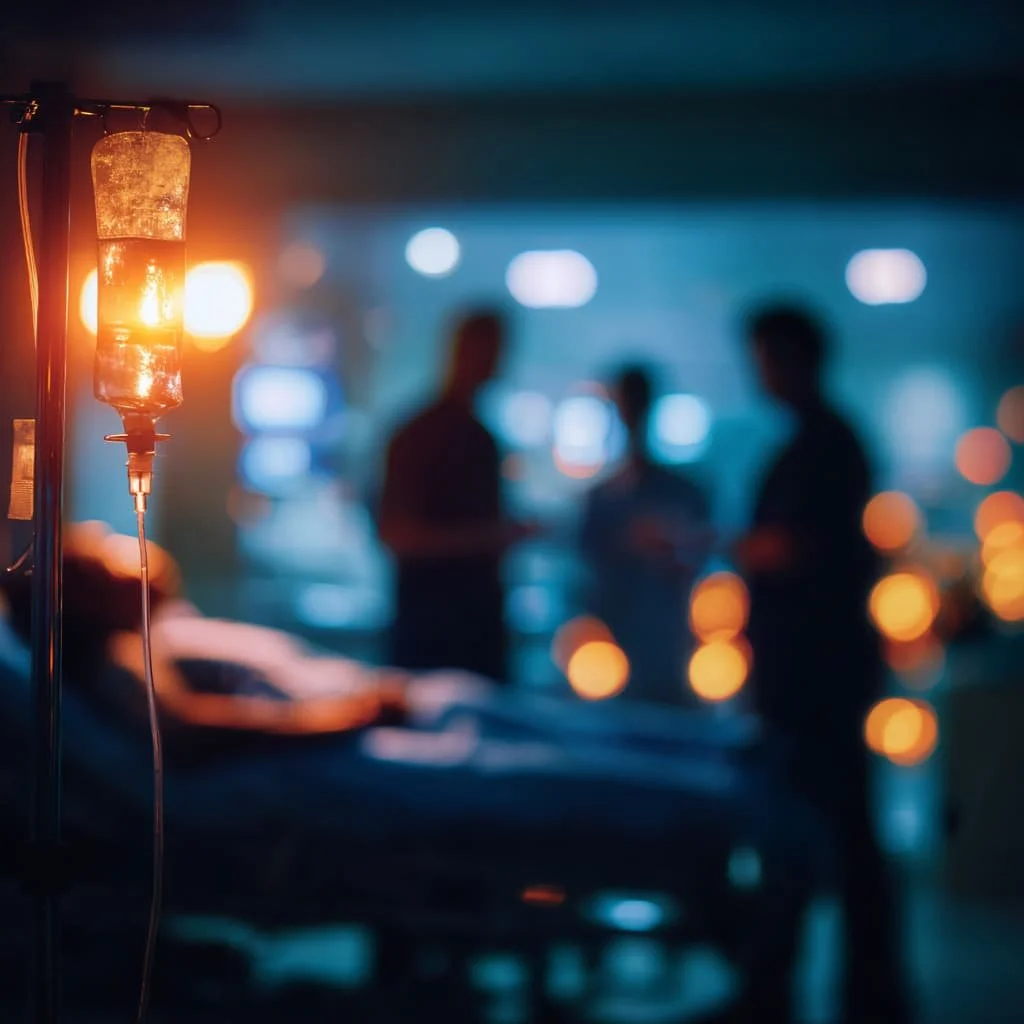
Understanding discharge, observation status, and hospital admission decisions in the emergency department
What Happens After the ER Workup Is Done
Every emergency visit ends with a decision.
Go home.
Stay for observation.
Or be admitted to the hospital.
That decision is not random. It reflects risk, stability, and what needs to happen next.
Discharge Home
When Is It Safe To Leave? Discharge does not mean nothing was found. It means nothing dangerous was found today. Testing may confirm a clear diagnosis. A urinary infection. A kidney stone. Reflux. A migraine. Treatment is started. Symptoms improve. Follow up is arranged.
Sometimes no single diagnosis is confirmed, but life threatening causes have been ruled out. That matters. The emergency department’s job is to make sure you are safe to leave. The rest can often unfold with your primary care doctor or a specialist. Going home is often good news.
Observation Status
Why Stay If Nothing Is Clearly Wrong? Observation is the middle ground.
This usually means you are stable but not fully cleared. Chest pain without a heart attack but too high risk to ignore. Abdominal pain that needs repeat exams. Dehydration that requires fluids and monitoring. Observation allows more time. More labs. More imaging. More expert input. It is not a failure to diagnose. It is caution used wisely.
Inpatient Admission
When More Intensive Care Is Needed Inpatient admission usually means something serious has been identified or strongly suspected.
Surgery may be needed. IV antibiotics. Oxygen support. Heart monitoring. Specialist procedures. Sometimes the expectation is that care will extend beyond two midnights. Sometimes the need is immediate and urgent. Admission is not about convenience. It is about safety and complexity.
Why Some Patients Go Home Without a Clear Name
Emergency medicine does not always deliver a perfect label.
The goal is to rule out dangerous conditions first. If those are excluded and you are stable, it may be safer to continue evaluation outside the hospital. Medicine is often a process over time, not a single moment. A safe discharge with a clear follow up plan can be just as appropriate as admission.
The Role of Consultants
Some patients require specialist input immediately. A cardiologist for high risk chest pain. A surgeon for gallbladder inflammation. A neurologist for stroke symptoms.
Consultation may happen in the emergency department, during observation, or after inpatient admission. Timing depends on urgency. The plan adapts to risk.
What Matters Most
At the end of the visit, the most important questions are simple:
Are you stable? Are dangerous causes ruled out? Is there a safe next step?
If those answers are clear, the plan becomes clear.
THE BOTTOM LINE
• Every ER visit ends with discharge, observation, or inpatient admission.
• The decision is based on risk, stability, and what care is needed next.
• Safe discharge can be just as appropriate as hospital admission.
By Dr. Karim Ali, Emergency Physician