What Is Acute Kidney Injury? Symptoms, Causes, and Treatment Explained
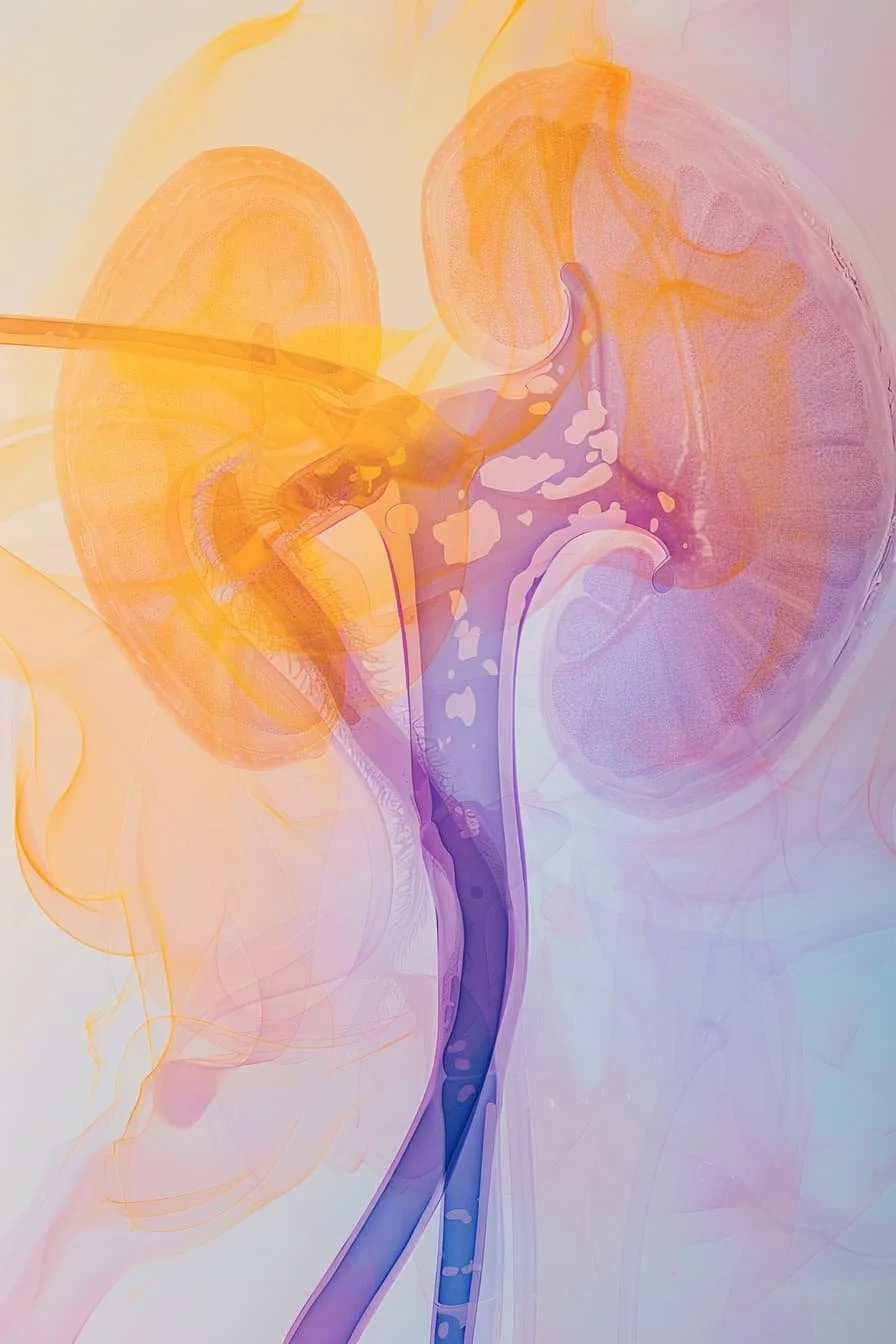
Why kidney function suddenly declines, what causes it, and how doctors diagnose and treat acute kidney injury
When Dehydration Starts to Affect the Kidneys
Emily, a 25 year old graduate student, returned from a trip overseas feeling exhausted. For several days she had severe vomiting and diarrhea after a bout of food poisoning. By the time she arrived in the emergency department she felt weak, dizzy, and extremely thirsty.
She had barely been able to keep fluids down.
When her blood tests returned, one number stood out immediately. Her kidney function had suddenly worsened.
What Acute Kidney Injury Actually Means
Acute kidney injury happens when the kidneys suddenly lose some of their filtering ability.
Your kidneys act like a continuous filtration system. They remove waste products, balance electrolytes, and regulate fluid levels in the body. This filtration process depends on healthy kidney tissue and adequate blood flow reaching the kidneys.
When something interferes with that process, kidney function can decline quickly. Doctors measure this change using blood tests such as creatinine and estimated glomerular filtration rate, often called GFR.
Why Dehydration Is One of the Most Common Causes
The kidneys depend heavily on steady blood flow.
When someone becomes severely dehydrated from vomiting, diarrhea, or poor fluid intake, the amount of blood reaching the kidneys can drop. Without enough circulating fluid, the kidneys cannot filter waste products effectively.
This is one of the most common causes of acute kidney injury seen in the emergency department. In many cases, simply restoring fluids allows the kidneys to recover and return to normal function.
Other Conditions That Can Injure the Kidneys
Acute kidney injury has several possible causes.
Certain medications and toxins can damage kidney cells directly. Doctors call this nephrotoxicity. Some antibiotics, anti inflammatory medications, and imaging contrast agents may affect kidney function in vulnerable patients.
Kidney injury can also occur when urine flow becomes blocked. A kidney stone, enlarged prostate, or tumor can obstruct urine leaving the kidney, causing pressure to build up and impair filtration. Infections, autoimmune diseases such as lupus, and severe metabolic problems like diabetic ketoacidosis may also affect kidney function.
How Doctors Diagnose Acute Kidney Injury
Diagnosis usually begins with simple blood and urine tests.
Creatinine is the most commonly used blood marker of kidney function. When the kidneys are not filtering normally, creatinine levels rise in the bloodstream. Doctors also evaluate electrolyte levels and examine urine to look for clues about the cause of the injury.
In some cases imaging tests such as ultrasound or CT scans are performed to look for obstruction, kidney stones, or structural problems affecting the kidneys.
How Acute Kidney Injury Is Treated
Treatment focuses on correcting the underlying problem.
For dehydration related kidney injury, intravenous fluids are often the most important treatment. Rehydrating the body restores blood flow to the kidneys and allows filtration to improve.
Doctors also stop medications or toxins that may be harming the kidneys. If a blockage is present, such as a kidney stone obstructing urine flow, that problem must be relieved. In severe cases where kidney function declines significantly, temporary dialysis may be needed while the kidneys recover. Dialysis is a treatment that uses a machine to filter waste and extra fluid from the blood when the kidneys cannot do it on their own. In many cases of acute kidney injury, dialysis is only needed temporarily until the kidneys regain their function.
THE BOTTOM LINE
• Acute kidney injury occurs when the kidneys suddenly lose their ability to filter blood effectively
• Severe dehydration, medications, toxins, infections, and urinary obstruction are common causes
• Treatment focuses on restoring fluids, removing the underlying cause, and supporting the kidneys while they recover
By Dr. Karim Ali, Emergency Physician