BMP The Chemistry Check
The Chemistry of Balance
The Test Behind the Scenes
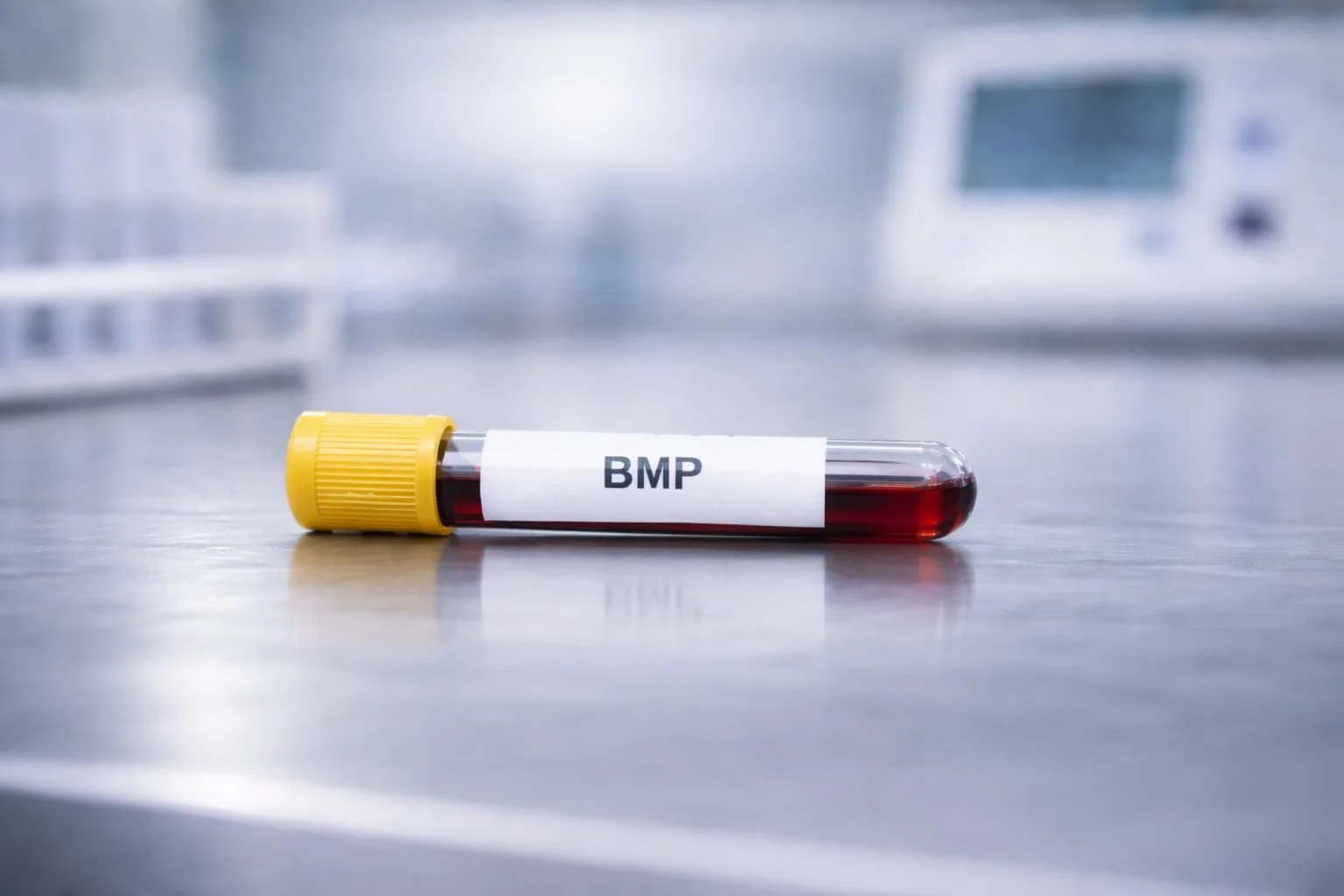
The basic metabolic panel, or BMP, is one of the most commonly ordered blood tests in emergency medicine. It does not sound dramatic. But it quietly tells us how stable your internal chemistry is.
When someone comes in weak, confused, dehydrated, vomiting, or with chest pain, the BMP often helps us understand what is happening beneath the surface. It gives us a snapshot of electrolytes, kidney function, and blood sugar in one compact panel.
What It Actually Measures
The BMP includes sodium, potassium, chloride, bicarbonate, glucose, blood urea nitrogen, creatinine, and calcium. Together, these numbers reflect hydration status, kidney performance, acid base balance, and metabolic stability.
The most critical pieces in the ER are often potassium and creatinine. Potassium affects heart rhythm. Too high or too low can be dangerous. Creatinine helps us estimate kidney function. When it rises, we think about dehydration, kidney injury, medication effects, or obstruction.
What We Are Thinking in the ER
If someone is vomiting or has severe diarrhea, we worry about electrolyte shifts. If someone is confused, we check sodium and glucose. If someone has low blood pressure or severe infection, we monitor kidney function closely. The BMP does not tell us why something is abnormal. It tells us that balance has been disrupted. From there, we ask better questions.
A Memorable Way to Think About It
If your body were a laboratory experiment, the BMP tells us whether the solution is still stable. Are the salts balanced? Is the fluid concentration appropriate? Is the filtration system working? When those levels drift too far, symptoms follow. Fatigue. Confusion. Abnormal heart rhythms. Muscle weakness. The BMP shows us the chemistry behind those symptoms.
What It Cannot Do
The BMP does not diagnose the cause of kidney injury. It does not explain why sodium is abnormal. It does not tell us what triggered high blood sugar.
It is a map of imbalance, not a story of how it happened. We interpret it alongside history, exam, and sometimes imaging.
THE BOTTOM LINE
• BMP reveals electrolyte balance and kidney function quickly.
• Abnormal values can affect the brain, heart, and muscles.
• It guides treatment decisions, but context determines meaning.
By Dr. Karim Ali, Emergency Physician