ER Myth: CT Scans Find Everything That’s Wrong
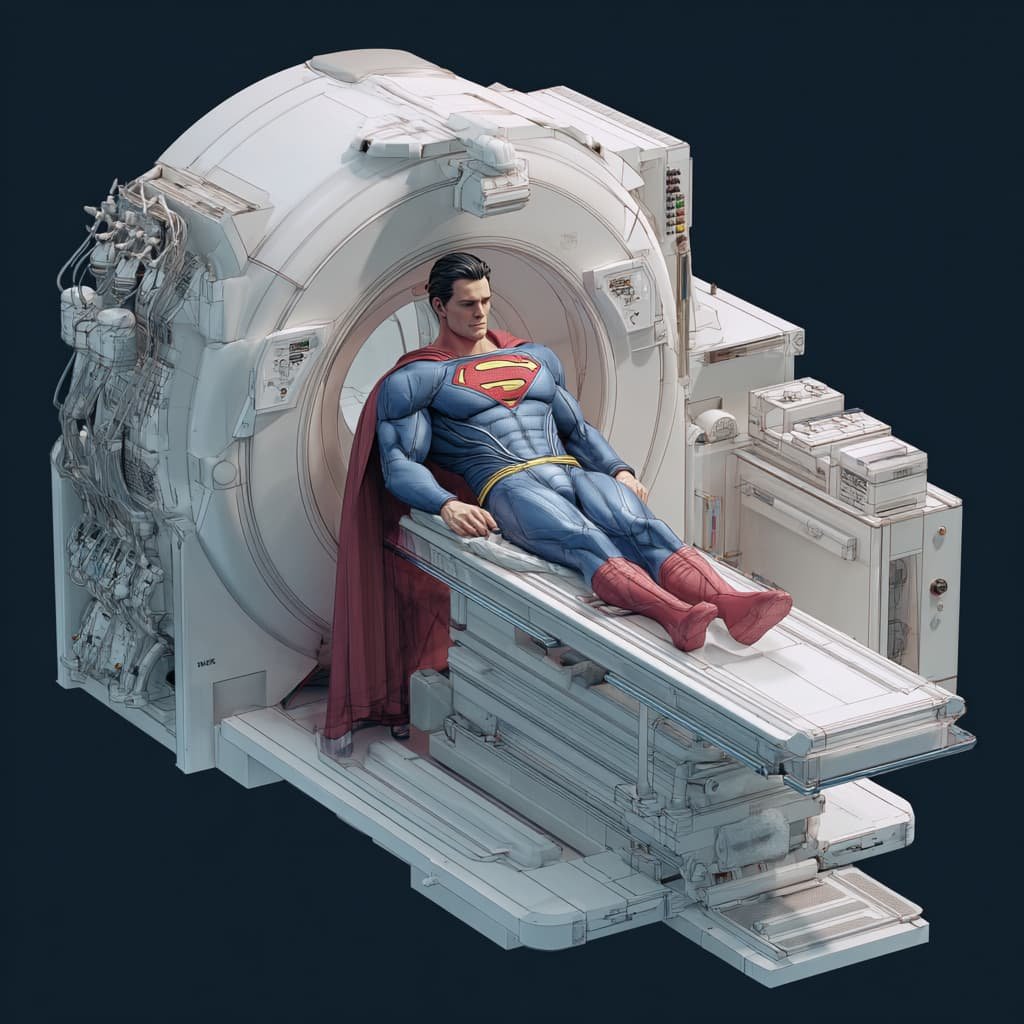
CT scans are powerful diagnostic tools, but even the best imaging tests have limitations
When the Scan Looks Normal
Daniel, 29, arrived at the ER with severe abdominal pain. After blood tests and a CT scan, the doctor returned with reassuring news. The scan did not show anything dangerous.
Daniel looked relieved but confused. “So the CT scan was normal. That means nothing is wrong, right?”
Not necessarily.
CT Scans Are Powerful Tools
CT scans are one of the most advanced imaging tools in modern medicine.
They create detailed cross sectional images of the body and can quickly detect problems such as bleeding, tumors, infections, or internal injuries. In emergency medicine, CT scans often help doctors make life saving diagnoses within minutes.
But even powerful technology has limits. A CT scan captures a series of images at a single point in time. Like any diagnostic test, it can miss certain conditions or very early stages of disease.
Some Problems Require Different Tests
Not every condition shows up clearly on a CT scan.
Gallbladder disease is one example. Patients with gallstones may have a normal CT scan, but an ultrasound can reveal stones or inflammation that CT imaging may miss.
Other conditions require different imaging altogether. Testicular torsion and ovarian torsion is best evaluated with ultrasound that measures blood flow. Early strokes may not appear on a CT scan but can be detected later with MRI. Different medical problems require different diagnostic tools.
Timing Matters in Medicine
Some conditions simply take time to appear. Early appendicitis may not yet be visible on a CT scan. A patient with abdominal pain may look well enough to go home but still be asked to return if symptoms worsen.
In trauma cases, certain injuries to the intestines may not appear immediately on imaging. Doctors sometimes admit patients for observation even when the CT scan looks reassuring.
Symptoms, physical exam findings, and the passage of time often reveal what a single scan cannot.
Doctors Look at the Whole Picture
Imaging is only one piece of the diagnostic puzzle. Doctors combine CT findings with symptoms, exam findings, medical history, and lab results to make decisions. A normal scan is reassuring, but it is never interpreted in isolation.
CT scans must also be interpreted by a radiologist. Radiologists are highly trained specialists, but imaging still requires human judgment. Occasionally subtle findings only become clear later or on repeat imaging.
For this reason, doctors sometimes repeat imaging, order a different test, or observe a patient longer if the clinical picture raises concern.
THE BOTTOM LINE
• CT scans are powerful diagnostic tools, but even the best imaging tests have limitations
• Some problems require different imaging tests such as ultrasound or MRI
• Doctors interpret CT scans alongside symptoms, exam findings, and the overall clinical picture
By Dr. Karim Ali, Emergency Physician