What Causes Kidney Stones and Why Do They Hurt So Much?
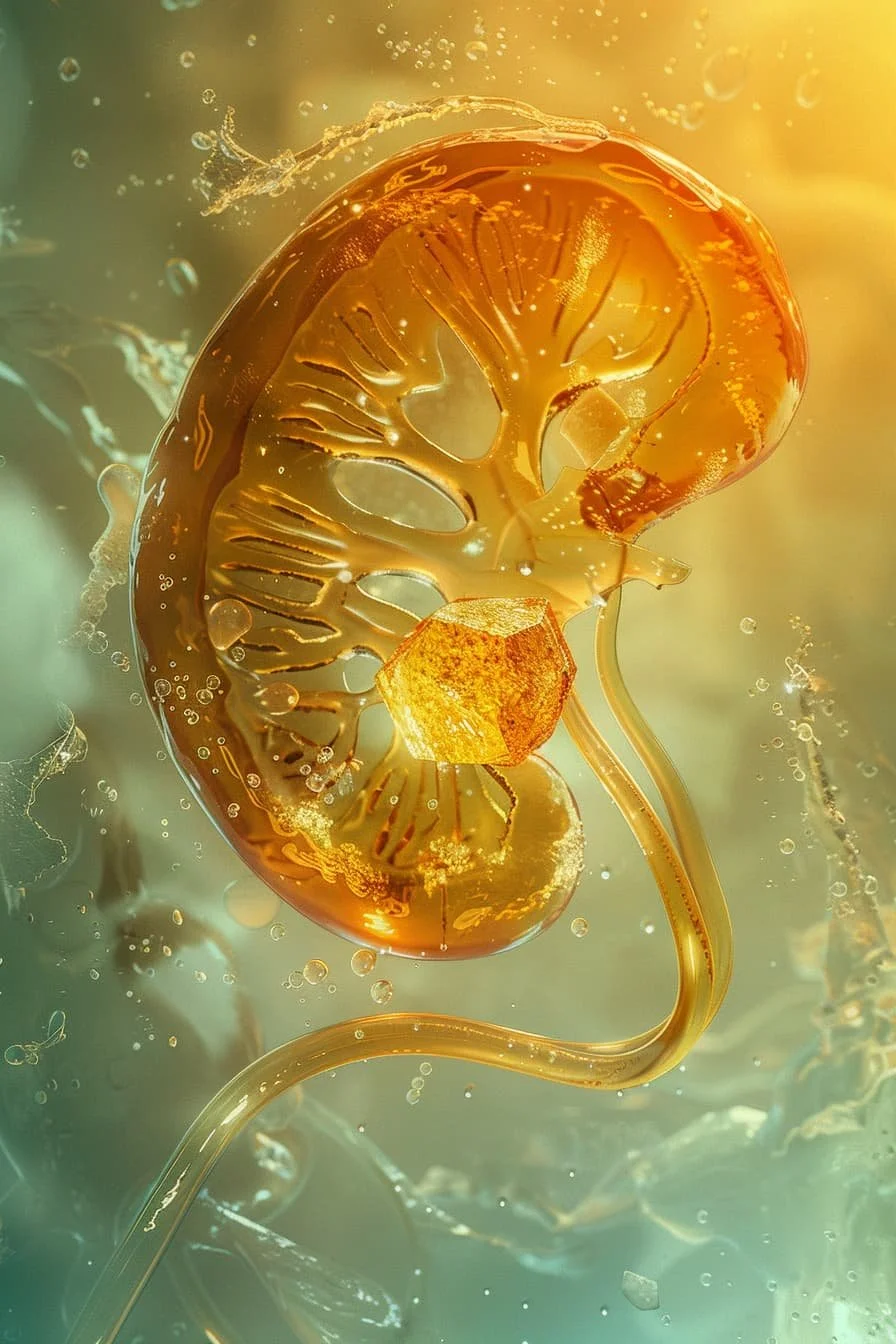
A clear explanation of kidney stones, why they cause severe pain, and how emergency doctors diagnose and treat them
A Moment in the ER
Linda, a 60 year old grandmother, sits on the edge of the stretcher gripping the side rail. The pain started suddenly in her right flank and now comes in intense waves. She says it feels eerily similar to labor pain from decades ago.
When the pain surges, she doubles over and cannot sit still. Between waves she breathes deeply, hoping the next one will not come.
Some types of pain are so distinctive that experienced emergency physicians recognize them immediately.
What Kidney Stones Actually Are
Kidney stones are small mineral crystals that form inside the kidneys.
Your kidneys constantly filter blood and remove waste products through urine. That urine contains dissolved minerals like calcium, oxalate, and uric acid. Normally these minerals stay dissolved and pass out of the body easily.
Sometimes the concentration of these minerals becomes too high. When that happens, tiny crystals can form. Over time these crystals stick together and grow into small stones inside the kidney.
Why the Pain Happens
The pain of kidney stones usually begins when the stone starts to move.
A stone sitting quietly inside the kidney often causes no symptoms at all. Many people live their entire lives with small stones and never know they are there.
Problems begin when a stone leaves the kidney and enters the ureter. The ureter is a narrow tube that carries urine from the kidney down to the bladder. When a stone tries to pass through that tight space, it irritates the ureter and triggers powerful muscle contractions. That is what causes the intense wave like pain known as renal colic.
The Classic Symptoms Doctors Look For
Kidney stone symptoms tend to follow a recognizable pattern.
The most common symptom is severe flank pain on one side of the body. This pain often starts in the back or side and may move toward the lower abdomen or groin as the stone travels downward.
Many patients also develop nausea and vomiting during the pain episodes. Blood in the urine is another common finding. Even small stones can scratch the lining of the urinary tract, causing microscopic or visible bleeding.
How Doctors Diagnose Kidney Stones
Diagnosis usually involves urine tests, blood work, and imaging.
A urine test often shows blood or signs of crystal formation. Blood tests help doctors evaluate kidney function and check for infection. The most accurate imaging test is usually a CT scan, which can detect even small stones and determine their size and location. However, X-rays or ultrasound may be used instead, especially in patients with a history of kidney stones who have already undergone multiple CT scans to avoid unnecessary radiation.
Stone size helps guide treatment decisions. Stones smaller than about 5 to 7 millimeters often pass on their own with time, fluids, and pain control. Larger stones may require procedures such as lithotripsy to break the stone into smaller pieces or ureteroscopy to remove it.
Why Some Kidney Stones Require Hospital Care
Most stones pass without surgery, but complications can occur.
If a stone blocks urine flow completely, pressure can build up inside the kidney. This condition, called hydronephrosis, can damage the kidney if not relieved. Infection behind a blocked stone is particularly dangerous and may lead to sepsis.
In those situations, patients may need hospital admission, intravenous antibiotics, or procedures to relieve the obstruction. Urologists sometimes place a stent or perform procedures to remove the stone safely.
THE BOTTOM LINE
• Kidney stones are small mineral crystals that form inside the kidneys and can cause severe pain when they move into the ureter
• The classic symptoms include sudden flank pain that comes in waves, nausea, and blood in the urine
• Many stones pass on their own, but larger stones or those causing infection or blockage may require medical procedures
By Dr. Karim Ali. Emergency Physician