When a Cough Turns Into Pneumonia
Understanding How Lung Infection Disrupts Oxygen, Energy, and Recovery
When the Only Symptom Is Confusion
Sometimes pneumonia does not announce itself with dramatic coughing fits. Sometimes it whispers.
An 82 year old woman is brought in by her daughter. No chest pain. No severe shortness of breath. No complaint of cough. The daughter says, “She’s just not herself.” She seems confused. A little slower. Not eating. Maybe slightly more tired. Her oxygen level is a bit lower than usual. Her temperature is mildly elevated. A chest X ray shows a dense patch in the right lower lung.
In older adults, pneumonia can show up as confusion before it shows up as cough. The brain is sensitive to hypoxia, or low oxygen level and infection. When oxygen drops even modestly, the brain may be the first organ to complain.
When It Starts Like a Cold
In younger patients, pneumonia often begins like a typical respiratory infection. Cough. Congestion. Fever. Fatigue. Then something changes. The cough becomes productive, meaning it brings up thick sputum. Breathing becomes harder. Walking across a room feels like a chore.
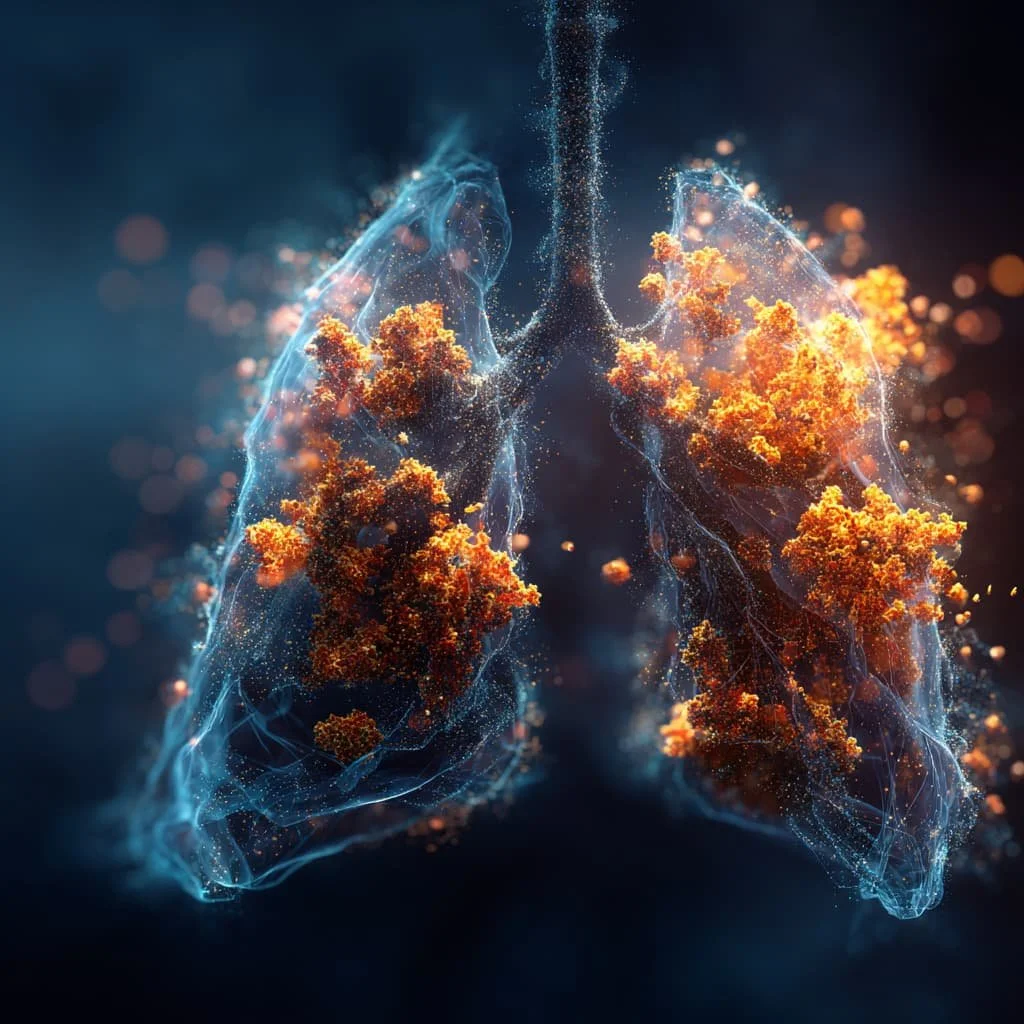
On chest X ray, a section of the lung may appear cloudy or opaque. That opacity represents inflammation and fluid filling the tiny air sacs. The lungs are meant to be filled with air, not inflammatory debris. When those air sacs fill, oxygen transfer becomes inefficient.
What Is Actually Happening in the Lung?
The lungs are made up of millions of microscopic air sacs called alveoli. These are the sites where oxygen enters the bloodstream and carbon dioxide leaves. Under normal conditions, alveoli are open and dry, optimized for gas exchange.
In pneumonia, those alveoli fill with fluid, immune cells, bacteria or viruses, and inflammatory proteins. This process is called consolidation. The body is trying to fight infection, but the side effect is impaired oxygen exchange. The body compensates by increasing respiratory rate. That fast breathing is not panic. It is physiology trying to keep up.
Viral vs Bacterial Pneumonia
Not all pneumonia is treated the same. Viral pneumonia is often caused by influenza, respiratory syncytial virus, or other respiratory viruses. In otherwise healthy individuals, supportive care may be enough. Antibiotics do not treat viruses.
Bacterial pneumonia, often caused by organisms like Streptococcus pneumoniae, requires antibiotics. Outpatient therapy may include azithromycin, doxycycline, or amoxicillin based regimens. Hospitalized patients may receive intravenous antibiotics such as ceftriaxone paired with azithromycin. We use clinical judgment and tools like the CURB-65 score, which evaluates confusion, urea levels, respiratory rate, blood pressure, and age over 65, to determine who needs admission.
Why Pneumonia Can Be Serious
Pneumonia is one of the leading causes of hospitalization and death in the elderly. Infection in the lungs can trigger systemic inflammation known as sepsis, a condition where the body’s response to infection begins affecting other organs. Low oxygen strains the heart. Dehydration worsens kidney function. Weak patients may deteriorate quickly.
Yet most cases improve with timely treatment. The lungs are resilient organs. With appropriate antibiotics when indicated, oxygen support if needed, and careful monitoring, recovery is common. The key is recognizing when a simple cough is no longer simple.
THE BOTTOM LINE
• Pneumonia is infection that fills the lung’s air sacs and disrupts oxygen exchange
• Viral and bacterial pneumonia differ and antibiotics are required for bacterial causes
• Age, chronic illness, and weakened immune systems increase risk for severe disease
By Dr. Karim Ali, Emergency Physician