Sepsis in the ER: What Doctors Look For First
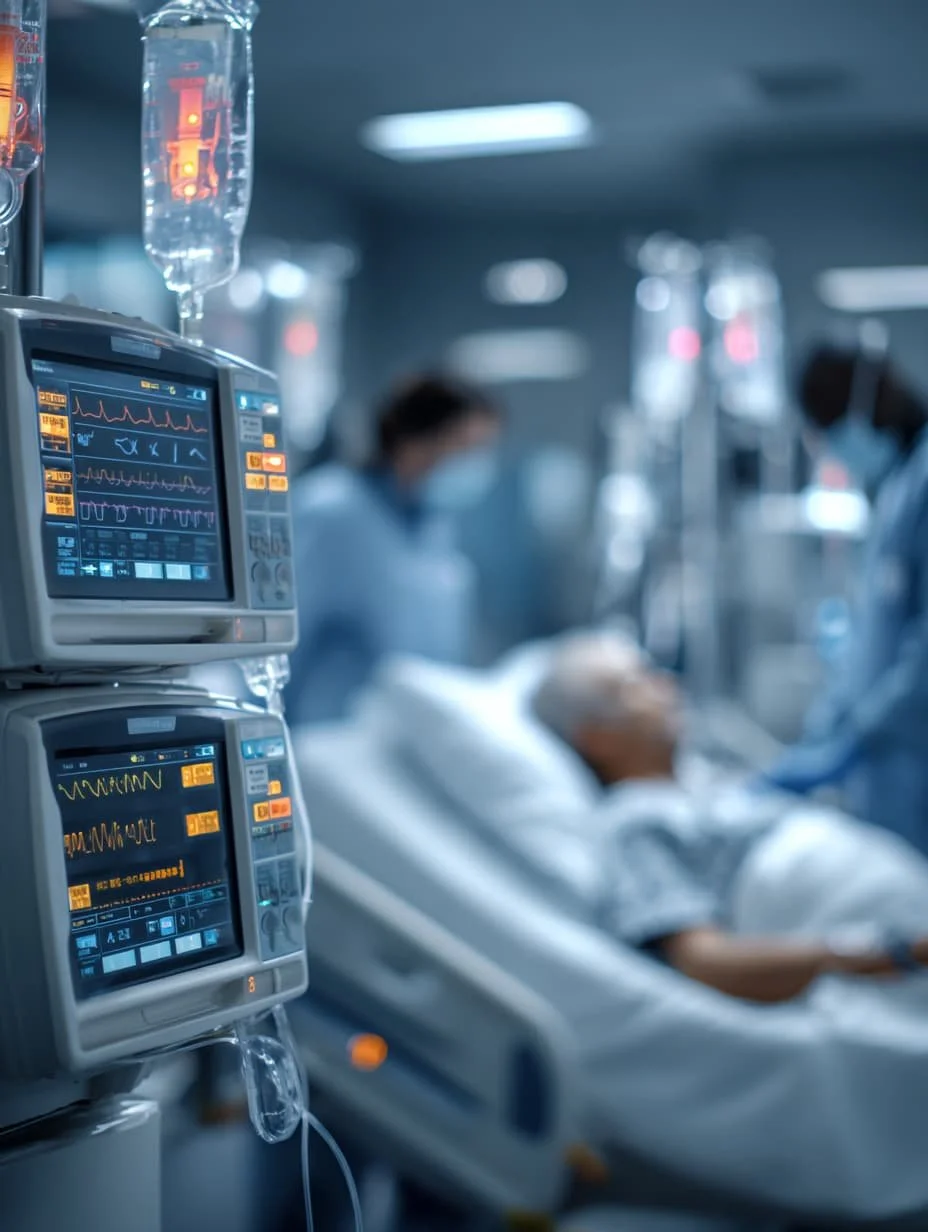
How an infection can spiral into shock, organ failure, and a true medical emergency
When an infection becomes something much bigger
Most infections stay where they start. A urinary tract infection stays in the urinary tract, a pneumonia stays in the lungs, and a skin infection stays in the skin. Until it doesn’t.
That is the moment sepsis begins. The infection is still the spark, but now the real danger is what the body is doing in response to it. The heart is racing, blood pressure is dropping, breathing speeds up, and the patient looks weak, clammy, confused, and wrong in a way that experienced clinicians recognize quickly.
That is not “just being sick.” That is sepsis, and it can turn fast.
What sepsis actually is
So, what is sepsis? Essentially, sepsis is a dangerous whole-body response to infection. The immune system does not just fight the infection. It starts causing collateral damage.
That inflammatory response can make blood vessels leaky, circulation unstable, and organs underperfused, meaning they are not getting the blood flow and oxygen they need. That is how you go from a simple infection to sepsis and organ failure.
This is the key difference in sepsis vs infection. An infection is the problem. Sepsis is when the body’s response to that infection starts becoming the problem too.
And that is why when does infection become sepsis is such an important question. It happens when the infection is no longer just local and the body starts showing signs that the whole system is under stress.
Where sepsis starts and what the ER looks for first
Sepsis can start almost anywhere. Common sources include pneumonia, urinary tract infections, abdominal infections, infected wounds or skin infections, and post-surgical infections.
The ER is looking for patterns immediately. Is there fever and chills, a high heart rate, or fast breathing? Is the blood pressure low? Is there sepsis confusion or lethargy? Is the patient acting like themselves?
Those clues matter because early signs of sepsis are often subtle before they become dramatic. This is especially true in sepsis in elderly adults, where the first sign may not be a high fever at all but instead weakness, confusion, or simply that “something is off.” That is one of the reasons sepsis gets missed early.
The workup: finding sepsis before it gets worse
The sepsis diagnosis is not usually based on one single test. It is based on a pattern. Doctors often order blood work, a complete blood count (CBC), kidney and liver function tests, blood cultures, urine testing, and imaging like chest X-rays or CT scans depending on the suspected source.
One especially important lab is the sepsis lactate level. Lactate is a marker that can suggest the body is under metabolic stress and not perfusing tissues normally. It is not perfect, but in the right context it can help show how sick someone really is.
This is where the first hour matters a lot. Because sepsis treatment in the ER is not passive, once it is recognized, treatment starts quickly.
Why the first treatment window matters so much
The first major steps are usually IV fluids, sepsis antibiotics, source control if possible, and sometimes blood pressure support if the patient is crashing. This is often called the sepsis bundle, and the reason it matters is simple: delay worsens outcomes.
If sepsis progresses far enough, it becomes septic shock, which means the infection and inflammatory response are now causing dangerously low blood pressure and poor organ perfusion. That is where kidneys start failing, mental status worsens, breathing becomes more unstable, and the whole system begins to collapse.
That is why septic shock is an emergency, not just a “bad infection.” Even with aggressive treatment, sepsis survival rate worsens the longer the cascade continues. This is one of the clearest examples in emergency medicine where speed truly changes the trajectory. Because with sepsis, you are not just treating the infection, you are racing the body’s reaction to it.
THE BOTTOM LINE
• Sepsis is not just an infection. It is a dangerous whole-body response to infection that can quickly affect blood pressure, breathing, and organ function
• Early clues include fever, chills, fast heart rate, confusion, weakness, and low blood pressure, but the presentation is not always obvious
• In the ER, sepsis is treated urgently with IV fluids, antibiotics, and rapid evaluation because delay can allow it to progress to septic shock
Ask the ER Doctor
-
An infection is a localized problem caused by bacteria, viruses, or other organisms. Sepsis happens when the body’s response to that infection becomes widespread and starts affecting circulation, organs, and overall stability.
-
Early signs can include fever, chills, fast heart rate, weakness, confusion, low blood pressure, and rapid breathing. In some patients, especially older adults, the signs can be subtle at first.
-
Septic shock is a more severe form of sepsis where blood pressure drops dangerously low and organs are not getting enough blood flow. It is a true life-threatening emergency.
-
Because once the inflammatory cascade accelerates, the body can deteriorate quickly. Early fluids, antibiotics, and support can change the course before organ failure and shock set in.
By Dr. Karim Ali, Emergency Physician