Why Do Asthma Attacks Cause Wheezing and Shortness of Breath?
A clear explanation of asthma, why the airways tighten, and how doctors treat asthma attacks
A Moment in the ER
Maria, a 16 year old soccer player, sits upright on the stretcher trying to catch her breath. Each exhale makes a faint whistling sound. She tells me the tightness in her chest started during practice when the cold evening air hit her lungs.
She left her inhaler in her gym bag at home.
When I listen to her chest with my stethoscope, the sound is unmistakable.
When the Airways Suddenly Narrow
Asthma is a disease where the breathing tubes tighten and become inflamed.
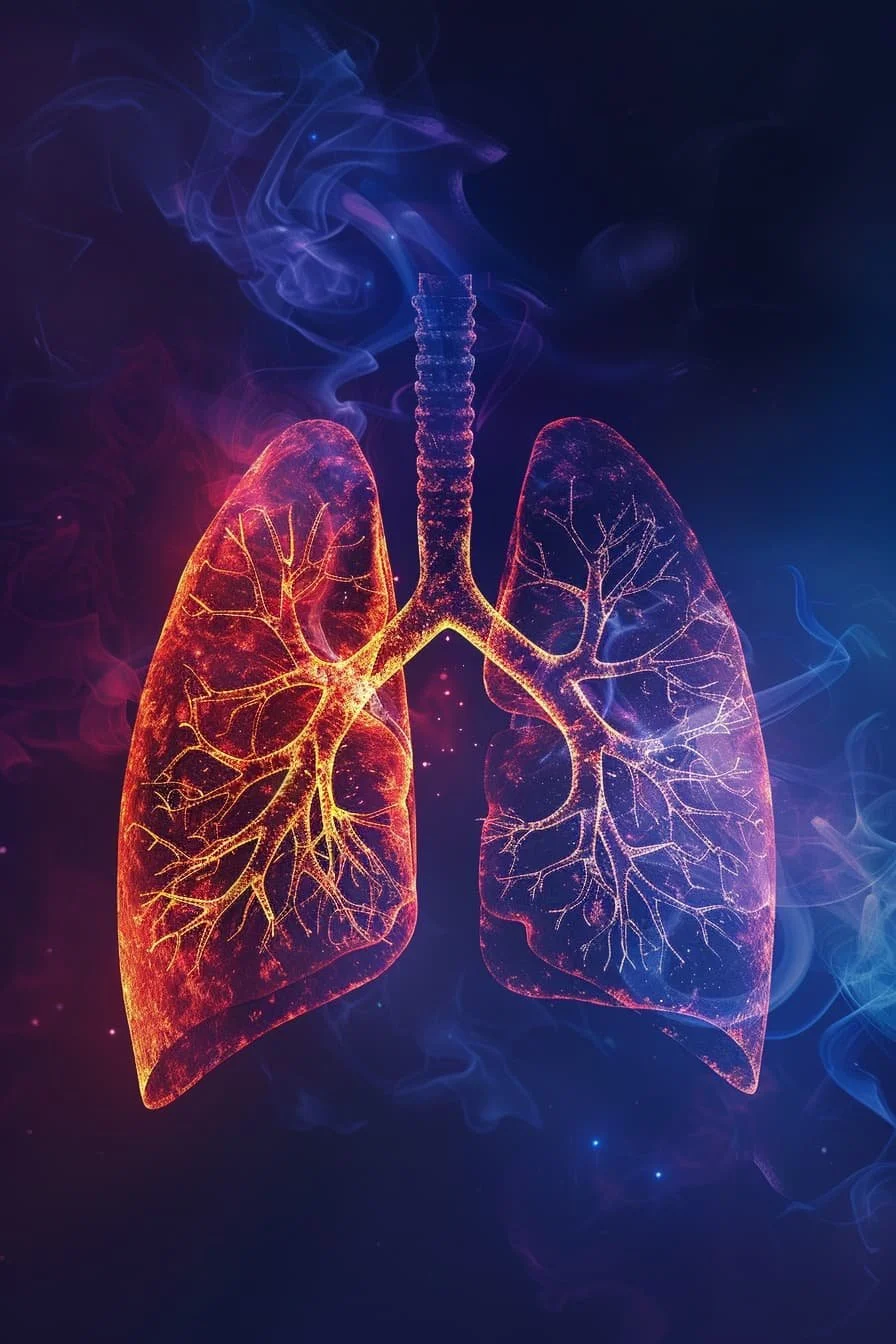
Inside the lungs are branching airways called bronchi. These tubes carry air down into the lungs where oxygen moves into the bloodstream. In asthma, the muscles surrounding those airways tighten while the inner lining becomes swollen and irritated.
This narrowing makes it harder for air to move in and out of the lungs. As air squeezes through the tight airways it creates the whistling sound called wheezing. Many patients also describe chest tightness or the feeling that they cannot get a full breath.
What Triggers an Asthma Attack
Asthma symptoms are often triggered by something in the environment.
For many people, asthma begins in childhood and is linked to allergies. Pollen, dust, mold, or pet dander can irritate sensitive airways and trigger inflammation. Some people even notice symptoms when they move to new regions where different allergens are present.
Other triggers are physical rather than allergic. Cold air, exercise, respiratory infections, smoke, and air pollution can all set off airway tightening. Some patients develop a form called exercise induced asthma, where symptoms appear only during intense physical activity.
How Asthma Medications Help You Breathe
Asthma treatment focuses on opening the airways and calming inflammation.
The most common rescue medication is albuterol. Albuterol is a bronchodilator, which means it relaxes the muscles around the airways. Within minutes the breathing tubes widen and air moves more easily through the lungs.
Steroids treat the other part of the problem. They reduce inflammation and swelling inside the airways. Some are taken as pills during severe flare ups, while inhaled steroids are used daily to prevent attacks. If someone needs their rescue inhaler frequently, doctors usually recommend stronger long term control medications.
The Breathing and Anxiety Loop
Breathing problems naturally trigger anxiety.
When someone feels short of breath, the body responds with stress and panic. That response often leads to faster breathing, which can worsen the feeling of tight airways. Many patients notice that calming the body and slowing the breath helps them regain control during an attack.
Avoiding triggers also plays a major role in long term asthma control. Smoke, pollution, allergens, and cold air can irritate the lungs. Warming up before exercise and maintaining overall lung health can reduce the likelihood of future flare ups.
THE BOTTOM LINE
• Asthma is a condition where the airways tighten and become inflamed, making breathing difficult
• Triggers often include allergens, cold air, exercise, smoke, or respiratory infections
• Rescue inhalers like albuterol open the airways quickly, while long term medications help prevent asthma attacks
By Dr. Karim Ali. Emergency Physician