What Happens When Muscles Break Down Too Fast? Rhabdomyolysis
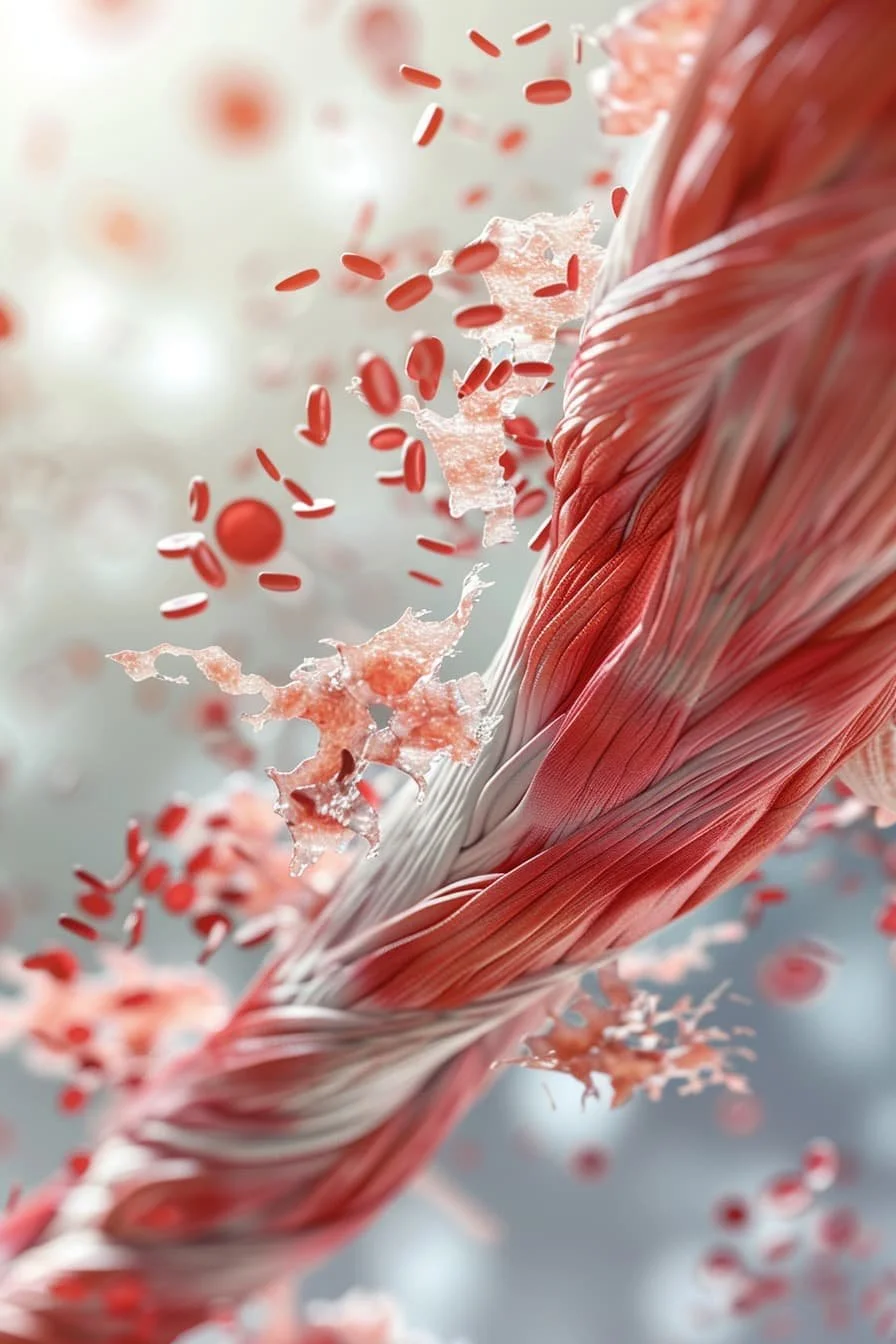
A clear explanation of rhabdomyolysis, why severe muscle breakdown can damage the kidneys, and how doctors diagnose and treat this condition
The Weekend Warrior
Jason decided it was time to get back into shape.
He had not exercised seriously in years, but over the weekend he signed up for a half marathon and pushed himself through the entire race. By the next day, every muscle in his body felt sore.
Then the swelling started. His arms and legs felt painfully tight. Walking became difficult. When he arrived in the emergency department, his urine looked dark and his pain was severe. His diagnosis was rhabdomyolysis.
What Rhabdomyolysis Actually Is
Rhabdomyolysis is a condition where muscle tissue breaks down rapidly. During normal exercise, tiny amounts of muscle damage occur. This is a normal part of physical training and recovery.
But when muscle injury becomes severe, the damaged cells release large amounts of proteins and electrolytes into the bloodstream. One of these proteins, called myoglobin, can be harmful to the kidneys when present in high concentrations.
This sudden flood of muscle breakdown products can overwhelm the kidneys’ ability to filter the blood.
Why the Kidneys Become Involved
The kidneys are responsible for filtering waste products from the bloodstream.
When large amounts of muscle proteins enter the blood, the kidneys must work much harder to remove them. In severe cases, the myoglobin released from damaged muscle can clog the kidney’s filtration system.
If this process continues unchecked, kidney function can decline rapidly. This is why rhabdomyolysis is considered a medical emergency when severe. Without treatment, acute kidney injury can develop.
What Triggers Rhabdomyolysis
Extreme physical exertion is one of the most well known causes.
People sometimes develop rhabdomyolysis when they suddenly perform intense exercise after long periods of inactivity. These “weekend warrior” scenarios are common examples seen in emergency medicine.
Other triggers include severe dehydration, heat stroke, trauma, certain medications, drug use, and prolonged muscle compression after injuries. The key factor is significant muscle damage occurring faster than the body can safely process.
How Doctors Diagnose and Treat It
Diagnosis begins with blood and urine tests. Doctors measure a muscle enzyme called creatine kinase, which becomes dramatically elevated when muscle breakdown occurs. Urine tests may show evidence of muscle proteins as well.
The most important treatment is aggressive hydration with intravenous fluids. These fluids help protect the kidneys by diluting and flushing muscle breakdown products from the bloodstream.
Many patients require hospital observation while doctors monitor kidney function and ensure the body safely clears the damaged muscle proteins.
THE BOTTOM LINE
• Rhabdomyolysis occurs when severe muscle breakdown releases proteins into the bloodstream
• These proteins can overwhelm the kidneys and cause acute kidney injury
• Early treatment with aggressive hydration can protect the kidneys and help the body recover
By Dr. Karim Ali, Emergency Physician