What Happens When the Heart Cannot Pump Strongly Enough?
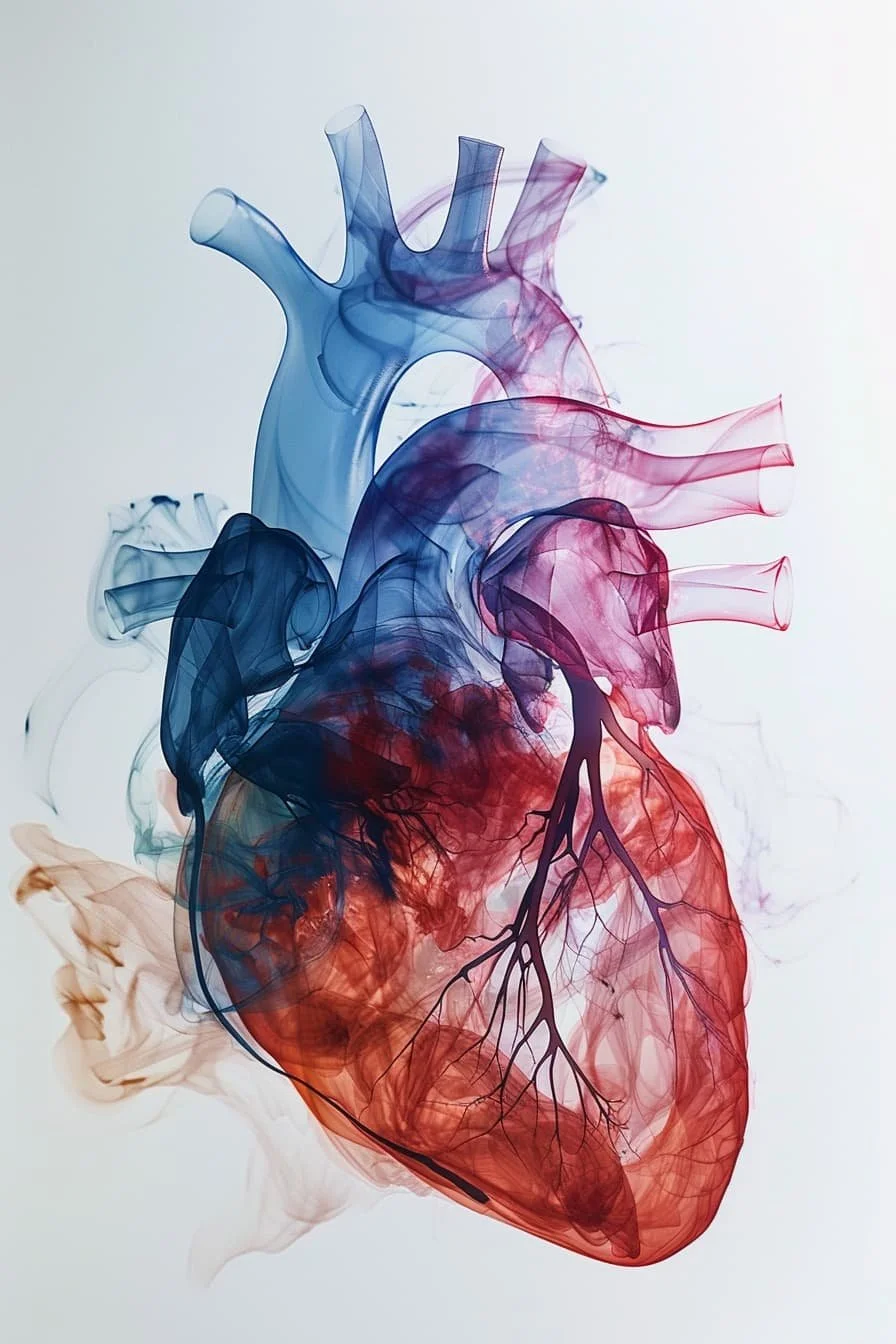
Understanding why the heart weakens, why fluid builds up in the body, and how doctors diagnose and treat congestive heart failure
When Breathing Gets Harder at Night
David is 47 years old. Six months ago he survived a heart attack. Since then he has tried to return to normal life, but recently something has changed.
When he lies flat at night, he suddenly feels like he cannot breathe. Walking across the room leaves him winded. His shoes feel tighter than usual and his legs look swollen.
On exam, his lungs make a faint crackling sound with each breath. His legs hold deep impressions when pressed with a finger.
What Congestive Heart Failure Actually Means
Congestive heart failure occurs when the heart cannot pump blood as strongly as it should.
The heart normally acts as a powerful pump that pushes blood forward through the body. This circulation delivers oxygen and nutrients to every organ.
When the heart muscle weakens, blood flow slows. Instead of moving forward efficiently, fluid begins to back up in parts of the circulation. This backup is what causes many of the symptoms doctors see in heart failure.
Why Fluid Builds Up in the Lungs and Legs
When the heart cannot pump effectively, pressure builds in the blood vessels behind it.
Fluid begins to leak from those vessels into surrounding tissues. In the lungs this fluid makes breathing more difficult. Patients often feel short of breath, especially when lying flat.
Fluid can also collect in dependent areas of the body such as the legs and abdomen. This swelling is called edema. When doctors press on swollen legs and see a lasting indentation, it is known as pitting edema.
What Causes the Heart to Become Weaker
Several conditions can gradually weaken the heart muscle.
Heart attacks are one of the most common causes. When part of the heart muscle loses its blood supply, some of the tissue can die. This reduces the heart’s ability to pump effectively.
Long term high blood pressure can also strain the heart over time. Alcohol abuse, certain drugs, viral infections, and some genetic or structural heart conditions may also lead to heart failure.
How Doctors Diagnose Congestive Heart Failure
Doctors combine several clues to confirm the diagnosis.
A chest X-ray can show fluid buildup in the lungs. Blood tests such as BNP help identify when the heart is under strain. Doctors also listen carefully to the lungs and heart during the exam.
In many cases an echocardiogram, which is an ultrasound of the heart, is used to measure how strongly the heart muscle is pumping and to evaluate the heart’s structure.
How Congestive Heart Failure Is Treated
Treatment focuses on removing excess fluid and reducing stress on the heart.
Diuretics such as furosemide, often called Lasix, help the body remove extra fluid through the kidneys. This can relieve swelling and improve breathing.
Doctors also adjust medications to control blood pressure and support heart function. Reducing salt intake, managing weight, and close follow up with a cardiologist are important parts of long term care.
THE BOTTOM LINE
• Congestive heart failure occurs when the heart cannot pump blood effectively
• Fluid can build up in the lungs, legs, and abdomen, causing shortness of breath and swelling
• Treatment focuses on removing excess fluid, controlling blood pressure, and improving heart function
By Dr. Karim Ali, Emergency Physician