Why Do Migraines Happen? Understanding Severe Headaches
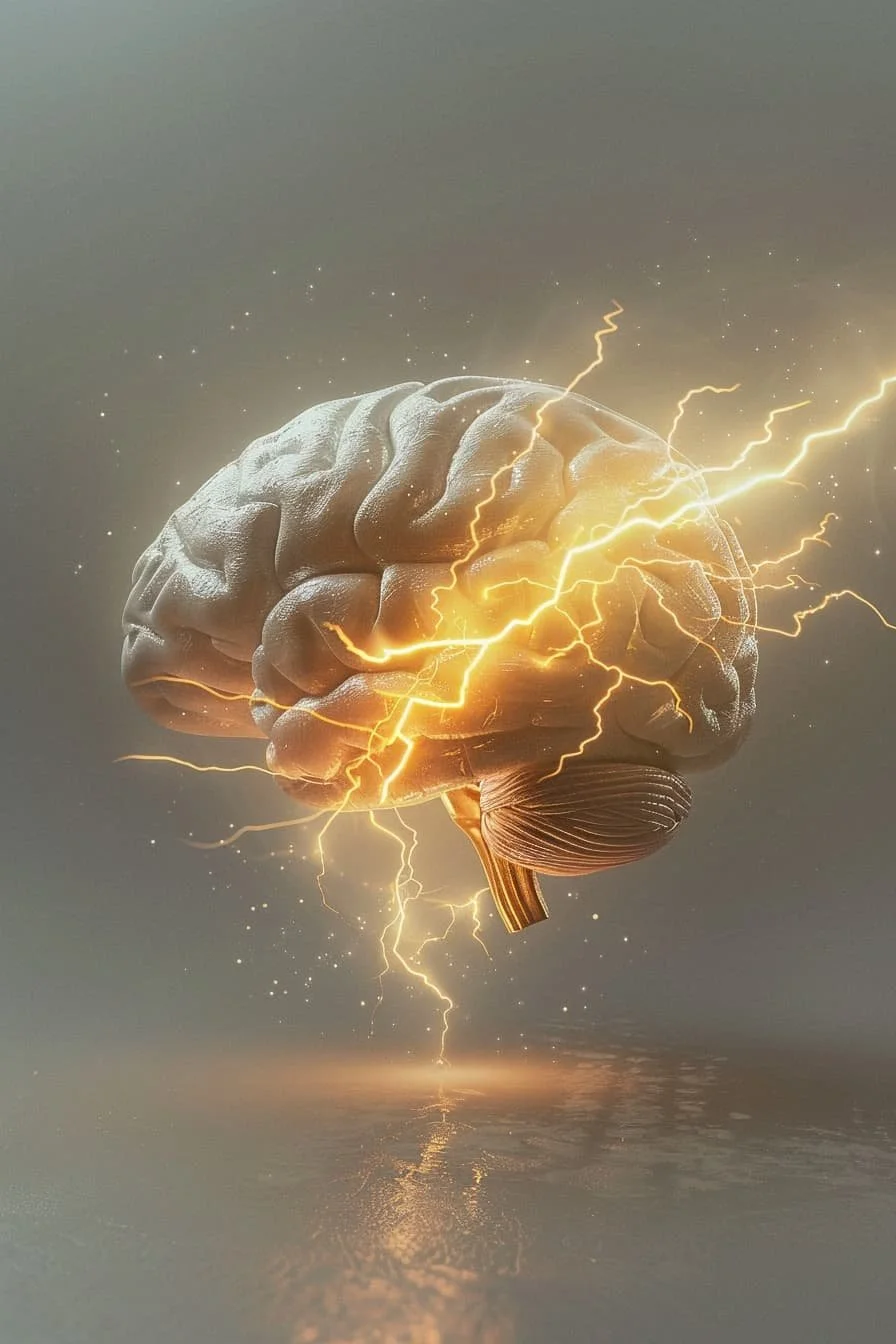
A clear explanation of migraine headaches, why they happen, and how doctors evaluate and treat migraines in the emergency department.
When a Headache Feels Different
Priya sits quietly in the emergency department room with the lights dimmed.
She presses her fingers against her temples and speaks softly. The pain started hours ago. A deep, throbbing pressure behind her eyes that has slowly taken over her entire head.
She has had migraines before. But every time the pain returns, the question still lingers in the back of her mind. What if this time it is something more serious?
What a Migraine Actually Is
A migraine is a type of severe headache caused by abnormal activity in the brain.
Unlike headaches caused by injury, infection, or tumors, migraines usually occur without any structural problem inside the brain. The brain itself appears normal on imaging tests.
Instead, the problem is thought to involve changes in nerve signaling, blood vessel activity, and inflammation around pain pathways in the brain. These changes can trigger intense pain, often accompanied by nausea, sensitivity to light, and sensitivity to sound.
Why Migraines Can Be So Debilitating
Migraines are not just ordinary headaches.
Many people experience throbbing pain that worsens with movement. Some develop nausea or vomiting. Others feel extreme sensitivity to light or noise and prefer to sit quietly in a dark room.
In some patients, migraines also produce visual disturbances called aura. These may appear as flashing lights, zigzag patterns, or temporary blind spots before the headache begins. The symptoms can last hours or even days, making migraines one of the most disabling headache disorders.
The First Question Doctors Ask
When someone arrives in the emergency department with a severe headache, the first question is not simply “Is this a migraine?” The real question is whether something more dangerous could be causing the pain.
Doctors carefully evaluate for warning signs of conditions such as brain bleeding, stroke, meningitis, or brain tumors. Symptoms like sudden severe onset, fever, neck stiffness, confusion, weakness, or vision changes can signal more serious problems.
If those red flags are absent and the symptoms match a familiar pattern, the diagnosis often turns out to be a migraine.
How Migraines Are Treated in the ER
Emergency treatment focuses on breaking the headache cycle.
Many hospitals use what doctors sometimes call a migraine cocktail. This combination may include anti nausea medications, anti inflammatory drugs, steroids, and intravenous fluids.
These medications work together to calm the brain’s pain pathways and relieve symptoms. Once the headache improves and the neurological exam remains normal, most patients can safely return home. Long term treatment often involves medications such as triptans or preventive therapies recommended by a neurologist.
THE BOTTOM LINE
• Migraines are severe headaches caused by abnormal brain activity rather than structural brain disease
• Symptoms often include throbbing head pain, nausea, and sensitivity to light or sound
• Doctors first rule out dangerous causes of headache before treating migraines with medications that calm the brain’s pain pathways
By Dr. Karim Ali, Emergency Physician