Why Did Someone Suddenly Start Shaking? Understanding Seizures
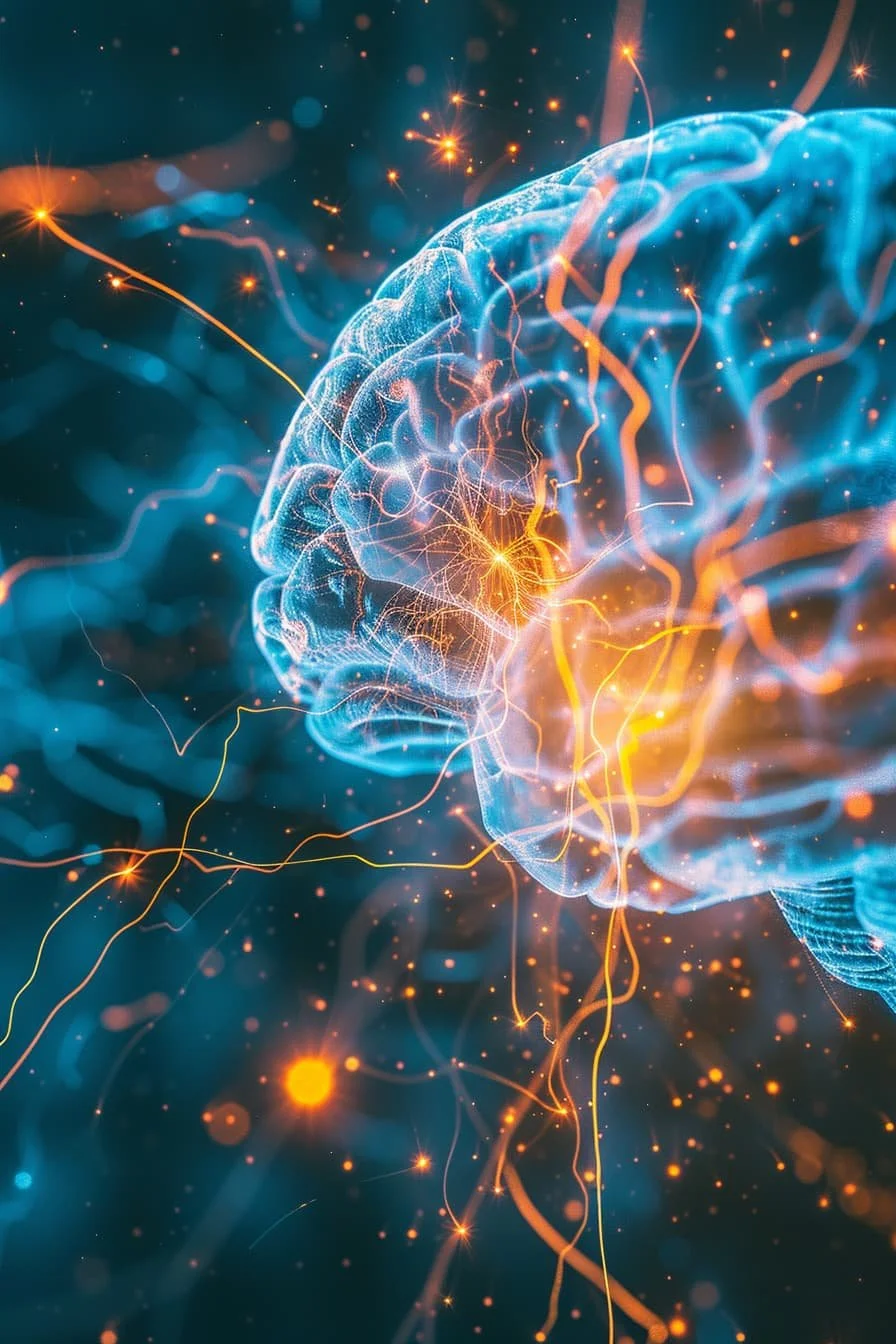
A clear explanation of seizures, why abnormal brain activity occurs, and how doctors diagnose and treat seizure disorders
A Sudden Collapse in the Mall
Ethan was shopping at the mall when people around him suddenly heard a loud thud.
Witnesses say his body began shaking violently. His arms stiffened. His jaw clenched. For nearly a minute, his body convulsed while bystanders watched in shock.
When he arrived in the emergency department, the shaking had stopped. But Ethan was confused. He remembered the entire morning before going to the mall, yet the event itself was completely blank. Moments like this often point to a very specific neurological event.
What a Seizure Actually Is
A seizure is a sudden burst of abnormal electrical activity in the brain.
Normally, brain cells communicate using controlled electrical signals. These signals allow the brain to coordinate movement, thought, speech, and awareness.
During a seizure, those signals become disorganized. Instead of controlled communication, large groups of neurons fire rapidly and unpredictably. That electrical chaos spreads through the brain and sends abnormal signals to the body.
Why the Body Starts Shaking
The symptoms of a seizure depend on which part of the brain is involved.
In a generalized seizure, electrical activity spreads through both sides of the brain. This often causes the dramatic shaking people associate with seizures, sometimes called a tonic-clonic seizure.
Other seizures are more subtle. Some people simply stare blankly for several seconds. Others may have involuntary movements in one arm or leg while remaining partially aware. The brain is incredibly complex. When its electrical system misfires, the outward symptoms can vary widely.
What Can Trigger a Seizure
Seizures can occur for many different reasons. Some people have epilepsy, a condition where the brain is prone to recurrent seizures. Others develop seizures after head injuries, strokes, brain tumors, infections like meningitis, or exposure to certain drugs or toxins.
Alcohol withdrawal is another well known cause. When the brain suddenly loses the depressant effects of alcohol, its electrical activity can rebound dramatically.
In children, high fevers can sometimes trigger febrile seizures. These are frightening for parents to witness but are often harmless and resolve on their own.
How Doctors Evaluate a Seizure
When someone arrives in the emergency department after a seizure, doctors focus on finding the cause. Brain imaging such as a CT scan or MRI may be performed to look for bleeding, tumors, or structural abnormalities. Blood tests can help identify electrolyte imbalances, infections, or toxic exposures.
Neurologists may also use an EEG, a test that records electrical activity in the brain. This test can sometimes reveal patterns that suggest epilepsy.
The goal is not only to treat the immediate seizure, but also to understand why it happened.
THE BOTTOM LINE
• A seizure occurs when abnormal electrical signals spread through the brain
• Symptoms can range from full body convulsions to brief episodes of staring or confusion
• Doctors evaluate seizures with imaging, blood tests, and sometimes EEG to determine the cause and guide treatment
By Dr. Karim Ali, Emergency Physician