Why Am I Vomiting Blood or Seeing Blood in My Stool?
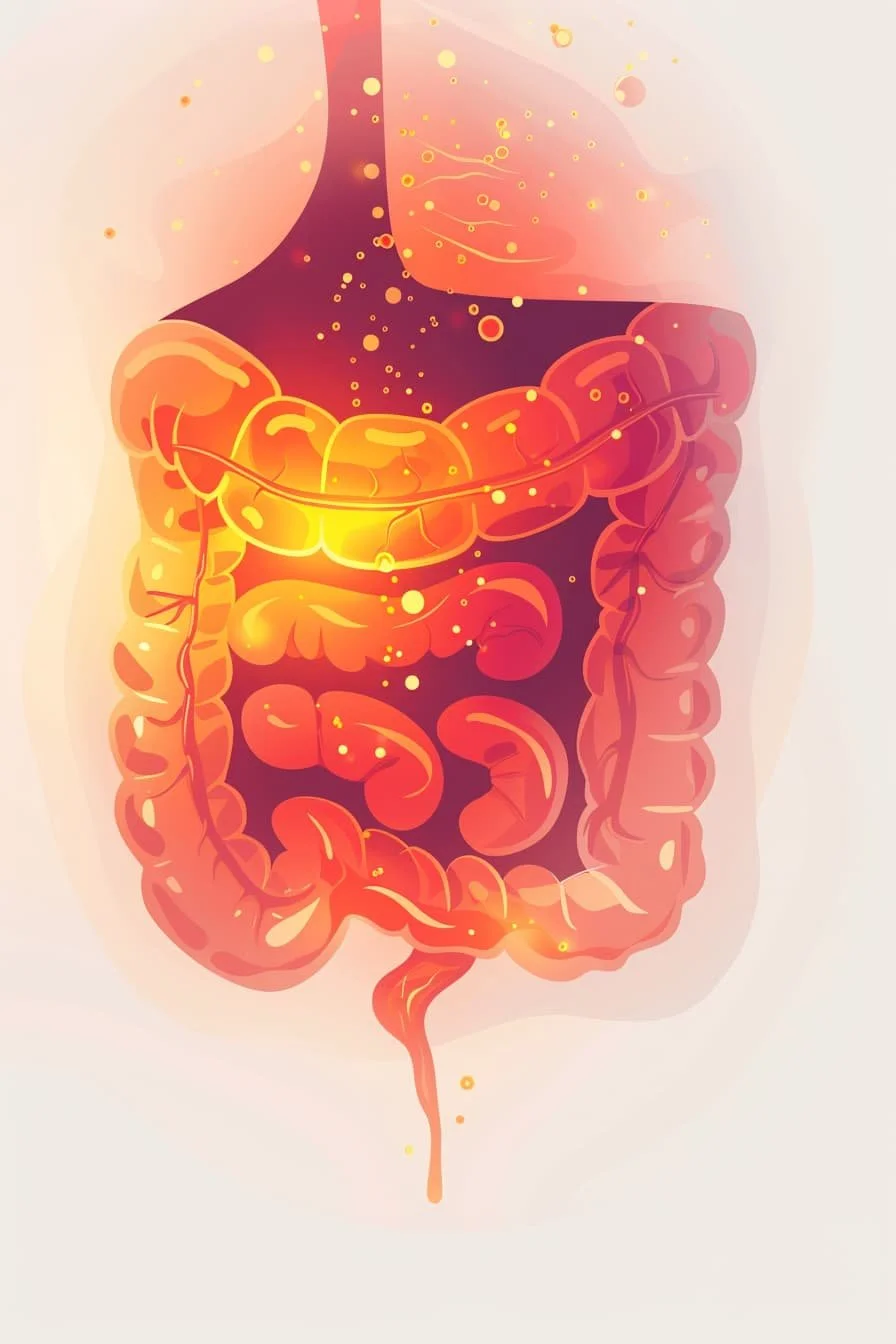
A clear explanation of gastrointestinal bleeding, why blood may appear in vomit or stool, and how doctors diagnose and treat GI bleeds
Two Very Different Patients
The first patient arrives pale and shaky. She says she woke up feeling nauseated and started vomiting. The first episode looked normal. The next ones contained dark red blood. She drinks heavily every day and looks exhausted. Her blood pressure is low. Her skin feels cool and clammy.
Later in the shift, another patient arrives. He is 80 years old and noticed blood in his stool overnight. He has no pain at all. Just fatigue and weakness.
Both patients are bleeding internally. But the causes and risks may be very different.
What a GI Bleed Actually Is
A gastrointestinal bleed means bleeding somewhere inside the digestive tract.
The digestive tract begins at the mouth and continues through the esophagus, stomach, small intestine, large intestine, and rectum. Bleeding can occur anywhere along this path.
Doctors often divide GI bleeding into two categories. Upper GI bleeding comes from the esophagus or stomach. Lower GI bleeding usually comes from the intestines or colon. Understanding where the blood originates helps guide both diagnosis and treatment.
What the Blood Can Look Like
The appearance of the blood often gives doctors important clues.
Vomiting blood usually suggests an upper GI bleed. Sometimes the blood appears bright red. Other times it looks dark, almost like coffee grounds.
Blood that passes through the digestive system can turn black and tar-like in the stool. This is called melena and often signals bleeding from the stomach or upper intestine.
Bright red blood in the stool may suggest bleeding from the lower part of the digestive tract, such as the colon or rectum.
Why GI Bleeding Happens
Many different conditions can cause gastrointestinal bleeding. Heavy alcohol use can damage the stomach lining and liver, which may lead to bleeding. Stomach ulcers are another common cause of upper GI bleeding.
Lower GI bleeding may come from colon polyps, diverticulosis, inflammatory bowel disease, or colorectal cancer. In older adults, colon cancer is one possibility doctors must carefully evaluate.
Because the causes vary widely, identifying the source of bleeding is one of the most important steps in treatment.
How Doctors Diagnose and Treat GI Bleeds
The first priority is determining how severe the bleeding is.
Doctors check blood counts to see if anemia has developed and monitor vital signs closely. If blood pressure drops or bleeding is severe, patients may require IV fluids, blood transfusions, or admission to the hospital.
Imaging tests and procedures such as endoscopy or colonoscopy are often used to locate the source of bleeding. Once doctors identify the cause, specialists can sometimes stop the bleeding during the procedure itself.
THE BOTTOM LINE
• A GI bleed means bleeding somewhere along the digestive tract, from the esophagus to the rectum
• Vomiting blood or passing black or red stool can signal internal bleeding
• Doctors evaluate GI bleeding with blood tests, imaging, and procedures to locate and treat the source
By Dr. Karim Ali, Emergency Physician