Why ER Wait Times Can Be Long
What Happens While You’re Waiting in the ER
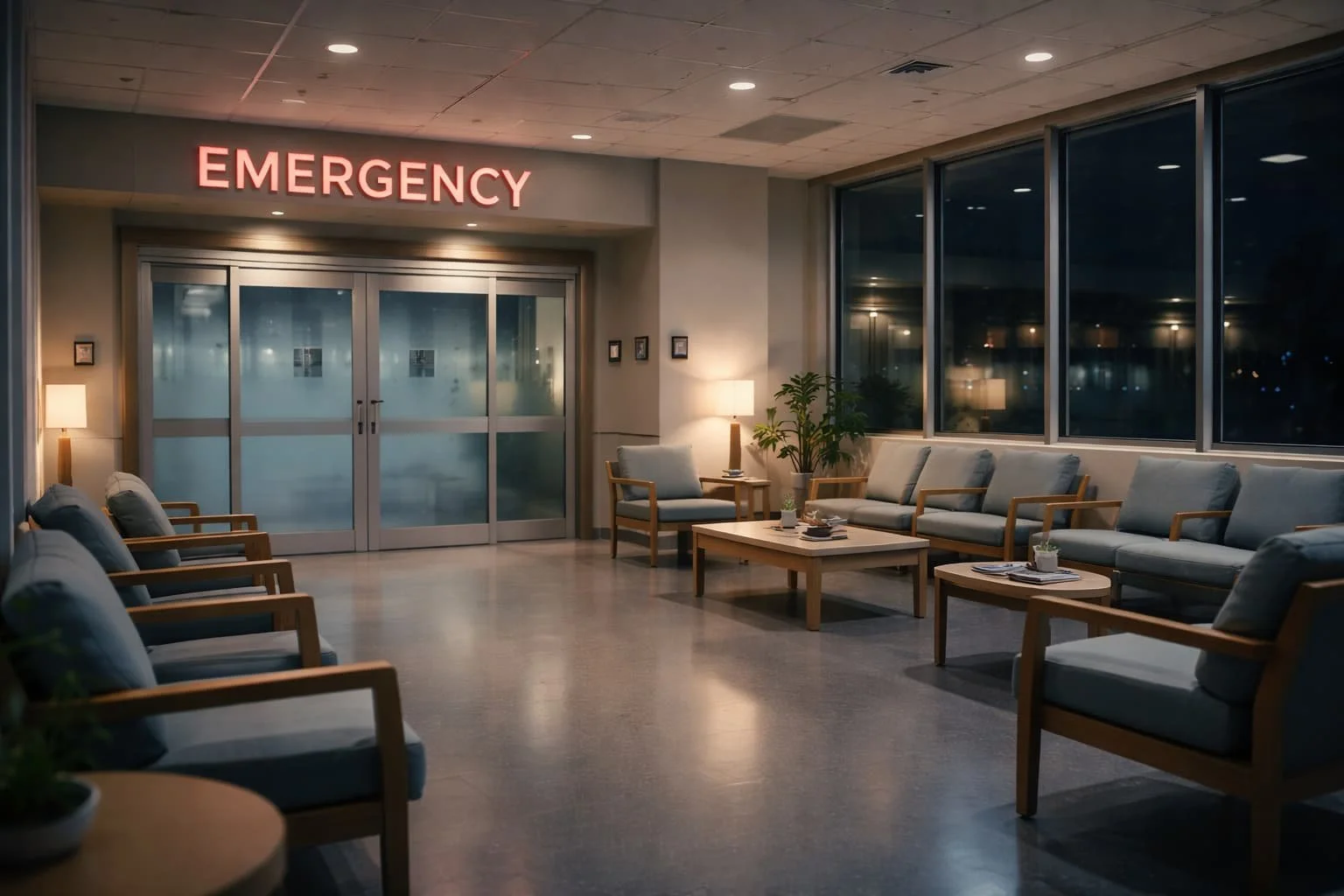
What Happens While You’re Waiting in the ER
Why the ER Wait Happens and What’s Going On Behind the Scenes
There is almost always a wait in the emergency department. Sometimes it is short. Sometimes it feels endless. When you are in pain, anxious, or worried about someone you love, even ten minutes can feel long.
It is natural to want to be seen immediately. Everyone who walks through those doors wants the same thing. Relief. Answers. Safety. That desire is not unreasonable. It is human.
We Are All Here for the Same Reason
No one comes to the emergency room casually. People come because something feels wrong. Because something hurts. Because something might be serious.
On the other side of the desk, the staff want something too. They want you stable. They want clarity. They want you home safely if possible, or admitted quickly if necessary. The goals are aligned more than it may seem in the moment.
A Lesson I Learned Early
Early in my career, one of my medical directors said something that stayed with me. He told me that emergency departments tend to focus on two key numbers: patient length of stay and patient satisfaction scores.
At first, that sounded administrative. Almost impersonal. But over time, I realized those two numbers are deeply connected. The longer someone waits without understanding what is happening, the more anxious and frustrated they become. And the more frustrated they become, the less safe the experience feels, even if the medical care itself is solid.
Length of stay is not just about efficiency. It is about reducing uncertainty. It is about minimizing the time someone spends worried in a hallway wondering what is happening next. And patient satisfaction is not about surveys. It is about feeling heard. Feeling respected. Feeling informed. Behind the scenes, hospitals and ER teams are constantly trying to move patients through the system safely. Not to rush anyone out. Not to cut corners. But because being stuck in medical limbo is uncomfortable for everyone involved.
Why There Is a Wait at All
Emergency departments are open at all hours. They are the one place that cannot turn anyone away. That makes them a lifeline, but it also makes demand unpredictable. Access to primary care can be limited. Appointments take time. Imaging and labs outside the hospital can take days. When something feels urgent, the emergency department becomes the fastest path to answers. As volumes rise, waits follow.
Seasonal illness, time of day, and sudden surges of critically ill patients all affect flow. It is not indifference that creates delay. It is supply and demand inside a system that never closes.
Movement You Cannot See
While you are waiting, things are happening.
Triage notes are reviewed. Vital signs are monitored. Charts are opened. Prior visits are scanned. Risk factors are assessed. Lab work and imaging may already be ordered based on your symptoms. If someone checks in with chest pain, an EKG may be performed before they are even placed in a room. Blood tests may already be running. Imaging may already be in queue.
The pause you experience is often planning time behind the scenes. It may not be visible, but it is not idle.
Why Some Patients Go First
Emergency care is based on severity, not arrival time. A cardiac arrest, stroke, severe trauma, or heart attack will move to the front immediately. That is not a judgment of whose pain matters more. It is a system designed to prevent preventable death.
If you see someone taken back ahead of you, it usually means they cannot safely wait. One day that same system may protect you or someone you love. Prioritizing the sickest first is not about fairness. It is about survival.
The Human Side of Waiting
Waiting while uncomfortable is hard. Waiting while scared is harder. It is normal to feel frustrated. The people working in that department are not unaware of your discomfort. Most clinicians quietly imagine their own families in those beds. The internal question is often the same: if this were my spouse, my parent, my child, what would I want done?
The goal is not to keep anyone there. The goal is to move each person safely through the system.
What You Can Do During the Wait
If symptoms change or worsen, speak up. Communication matters. If pain increases or something feels different, notify staff.
Have medication lists ready if possible. Share prior medical history clearly. Clear information reduces delays once evaluation begins. Clarity helps care move faster.
THE BOTTOM LINE
• Care often begins before you are placed in a room
• Patients are prioritized by severity to protect the sickest first
• The goal on both sides is the same — safe, timely, thoughtful care.
By Dr. Karim Ali, Emergency Physician