Why Does COPD Cause Shortness of Breath and Wheezing?
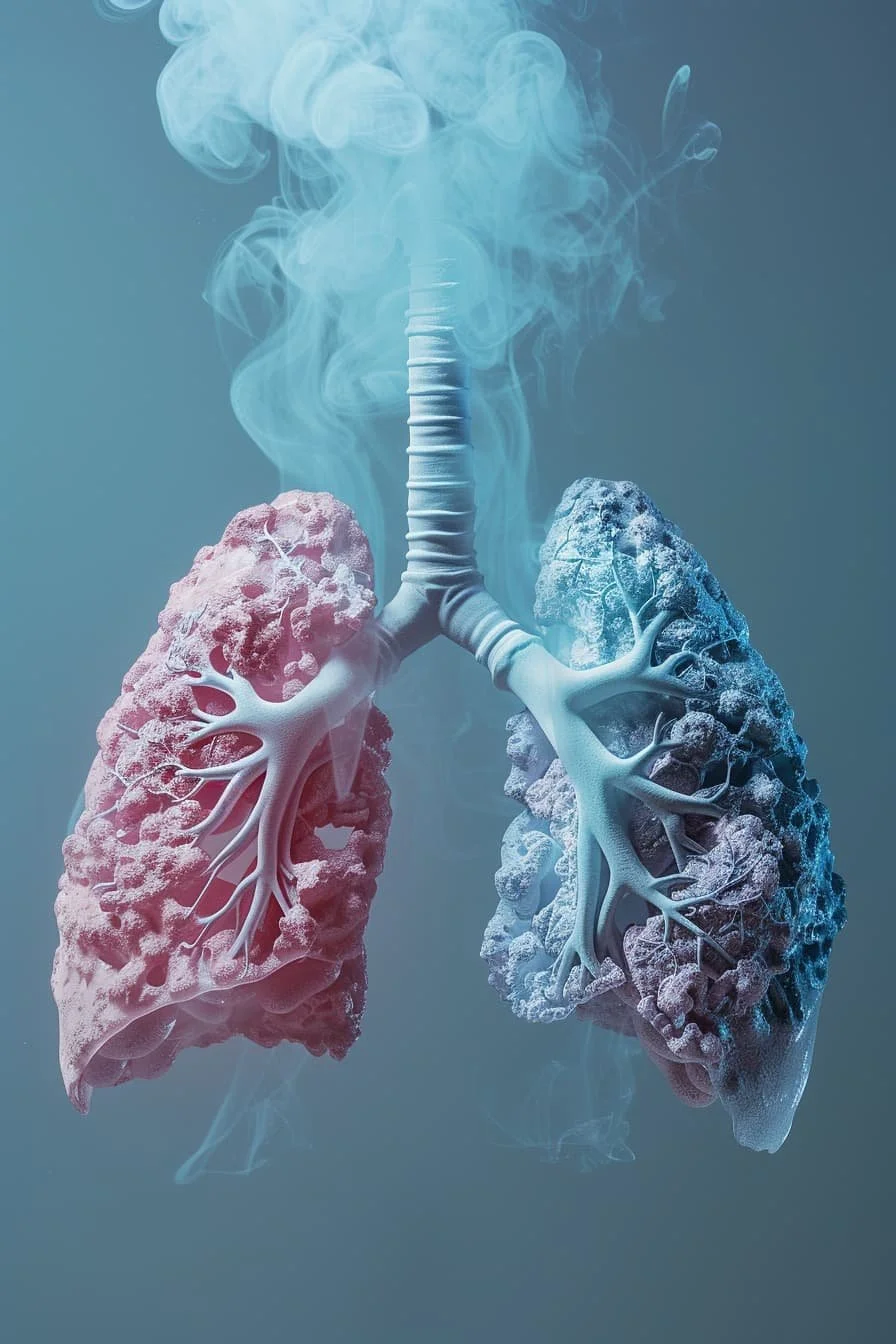
A clear explanation of chronic obstructive pulmonary disease, why breathing becomes difficult, and how doctors treat COPD flare ups
When Breathing Suddenly Becomes Hard
Robert, a 68 year old retired mechanic, leans forward on the hospital stretcher with his elbows on his knees. Each breath is shallow and labored. A faint wheezing sound fills the room every time he exhales.
“I can’t breathe,” he says between breaths.
For people with COPD, breathing out is often harder than breathing in.
What COPD Actually Means
COPD stands for chronic obstructive pulmonary disease.
At its core, COPD is a disease where the lungs slowly lose their ability to move air effectively. The small breathing tubes inside the lungs, called bronchioles, become inflamed, damaged, and narrowed over time.
The most common cause is long term cigarette smoking. Years of smoke exposure irritate the delicate lung tissue. The airways become scarred and stiff, and the tiny air sacs responsible for oxygen exchange begin to break down.
Why Breathing Out Becomes the Real Problem
COPD is called an obstructive lung disease for a reason.
When healthy lungs breathe out, air flows easily through open airways. In COPD, those airways collapse or narrow during exhalation. Air becomes trapped inside the lungs.
That trapped air makes the lungs feel overinflated. Patients often describe the sensation as being unable to fully empty their lungs. This leads to wheezing, chest tightness, and the persistent shortness of breath that many COPD patients experience.
What Happens During a COPD Flare Up
COPD is a chronic disease, but symptoms can suddenly worsen.
A flare up, called an exacerbation, happens when inflammation in the lungs increases. This may be triggered by infections such as pneumonia, environmental irritants, or sometimes no clear cause at all.
During a flare up, breathing becomes noticeably harder. Patients may wheeze more, cough more, and feel extremely fatigued. Oxygen levels can drop, and some patients begin retaining carbon dioxide because they cannot effectively breathe it out.
How Doctors Evaluate COPD in the ER
When someone arrives struggling to breathe, doctors quickly begin evaluating the lungs.
A chest X-ray helps look for pneumonia, collapsed lung, or other complications. Blood tests can reveal infection, and a blood gas test measures oxygen and carbon dioxide levels in the blood.
COPD patients are also at risk for other lung problems. For example, weakened lung tissue can form fragile air pockets called blebs that may rupture and cause a pneumothorax, or collapsed lung. Identifying these possibilities quickly is critical.
How COPD Flare Ups Are Treated
Treatment focuses on opening the airways and reducing inflammation.
Bronchodilators such as albuterol relax the muscles around the airways, helping them widen so air can move more freely. Another medication called ipratropium works alongside bronchodilators to further improve airflow.
Steroids are often given to reduce inflammation inside the lungs. In more severe cases, patients may require noninvasive ventilation using a mask called BiPAP. This machine gently pushes air into the lungs and helps patients remove trapped carbon dioxide.
THE BOTTOM LINE
• COPD is a chronic lung disease that makes it difficult to fully exhale air from the lungs
• Smoking is the most common cause, and symptoms often include wheezing, shortness of breath, and fatigue
• Flare ups may require treatments such as bronchodilators, steroids, oxygen, or breathing support in the hospital
By Dr. Karim Ali, Emergency Physician.