Why Did the ER Repeat My Blood Test?
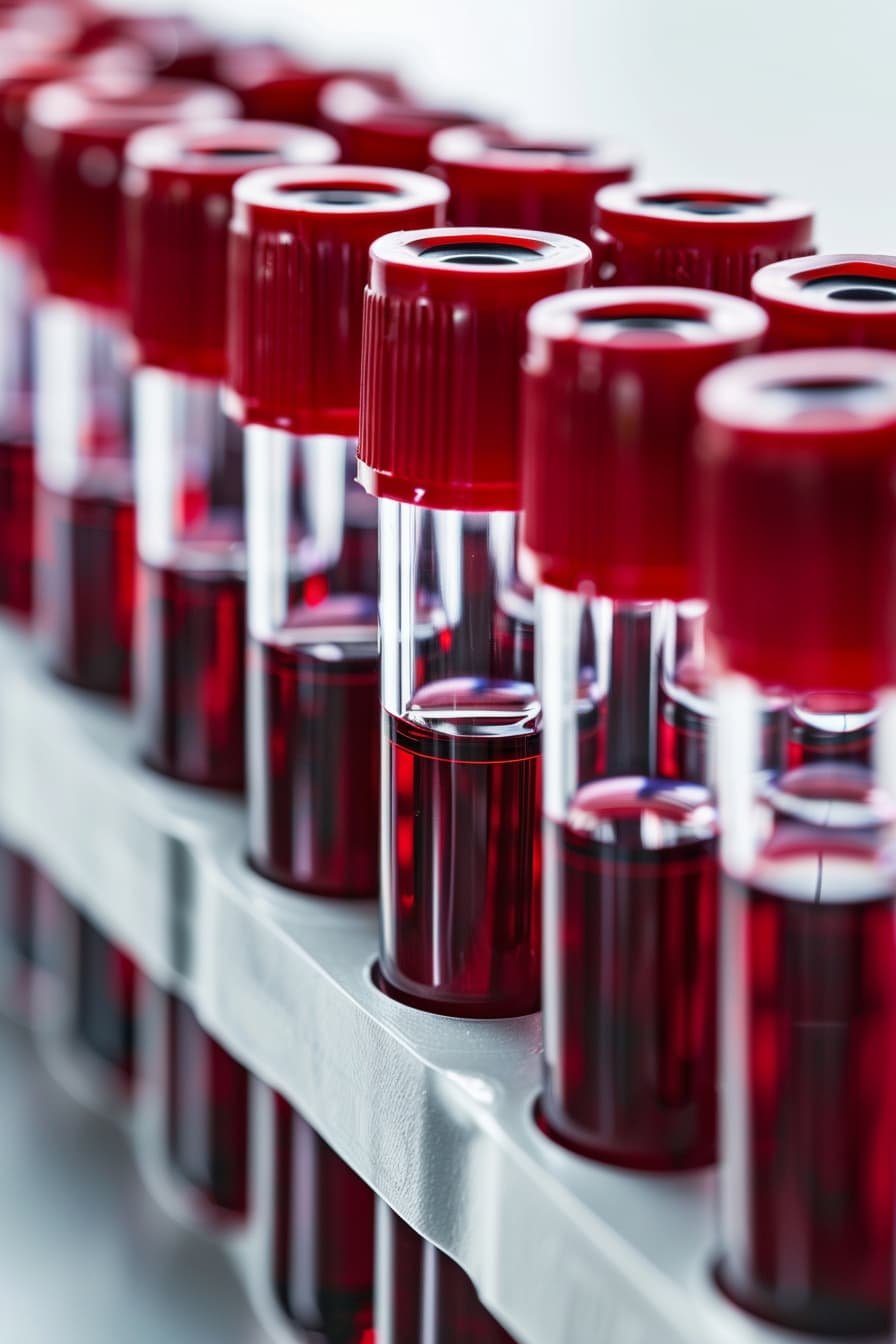
Sometimes the most important information in medicine comes from watching how things change over time
When the Test Is Not the Whole Story
David, 58, arrived at the ER with chest pressure that started an hour earlier while he was walking his dog. His first blood test looked normal. A few hours later the same test was repeated and the result had changed. That second test revealed the early signs of a heart attack.
This surprises many patients. If the first test was normal, why repeat it at all?
The answer is simple. Many medical problems evolve over time. A single test result is just a snapshot. Repeating the test helps doctors see the direction the body is moving.
Medicine Often Depends on Trends
Doctors rarely make important decisions based on one number alone.
Many lab tests reveal much more when we watch how they change. In emergency medicine we often look for patterns. Is the number rising, falling, or staying the same? That trend can tell us far more than the first result.
Think of the first test as a photograph. It captures one moment. The second test adds movement to the story. Suddenly the picture becomes a short movie, and that movie can reveal a problem that was invisible at first.
Heart Attacks Are a Classic Example
Heart attacks often do not show up immediately in blood tests.
When heart muscle is injured it releases a protein called troponin into the bloodstream. But that release takes time. In many patients the troponin level does not rise until two or three hours after symptoms begin.
This is why emergency departments repeat the test. If someone arrives with chest pain that started recently, the first troponin may still be normal. The repeat test helps us detect a heart attack that might have been hidden earlier.
Even modern high sensitivity tests still rely on this principle. Time reveals the truth.
Repeat Tests Help Guide Safe Decisions
Repeating labs is not just about finding a diagnosis. It also helps doctors decide whether someone is safe to go home. Consider a patient with severe vomiting and dehydration. Their kidney function might look mildly abnormal when they first arrive. After IV fluids we may repeat the blood test to see if the kidneys are improving.
If the numbers get better, that is reassuring. If they worsen, the patient may need to stay in the hospital. The same idea applies to many other situations. Doctors may repeat blood counts in someone with bleeding. Electrolytes may be checked again after treatment. In patients with infections, lactate levels may be repeated to see if sepsis is improving.
These trends help guide some of the most important decisions in emergency medicine.
Sometimes the Body Changes Quickly
The human body can change faster than many people realize. A patient with a small bleed today may have a much lower blood count a few hours later. Someone with infection may initially appear stable before signs of sepsis begin to worsen. Even heart rhythms and EKG findings can evolve over time.
Experienced emergency physicians learn to watch for these shifts. When something has the potential to change quickly, repeating a test is often the safest way to protect the patient.
What looks reassuring now may look very different a few hours later.
THE BOTTOM LINE
• A single test result is only a snapshot. Repeating tests allows doctors to see how your body is changing over time
• Many dangerous conditions, including heart attacks and internal bleeding, may not appear immediately on the first test
• Watching trends in lab results helps ER doctors make safer decisions about diagnosis, treatment, and whether a patient can safely go home
By Dr. Karim Ali, Emergency Physician