Main Articles Page

Intubation When Breathing Cannot Wait
When breathing fails, seconds matter. Intubation is how emergency physicians secure the airway, protect the lungs, and support oxygen delivery while the body recovers. It is serious, deliberate, and often temporary.

Why Sleep Is the Most Powerful Health Tool You’re Ignoring
Sleep is not passive rest. It is active biological repair. During sleep, the brain consolidates memory, regulates hormones, stabilizes blood pressure, and restores emotional balance. Chronic sleep deprivation increases the risk of obesity, diabetes, and cardiovascular disease. Improving sleep may be the most powerful and overlooked wellness habit.
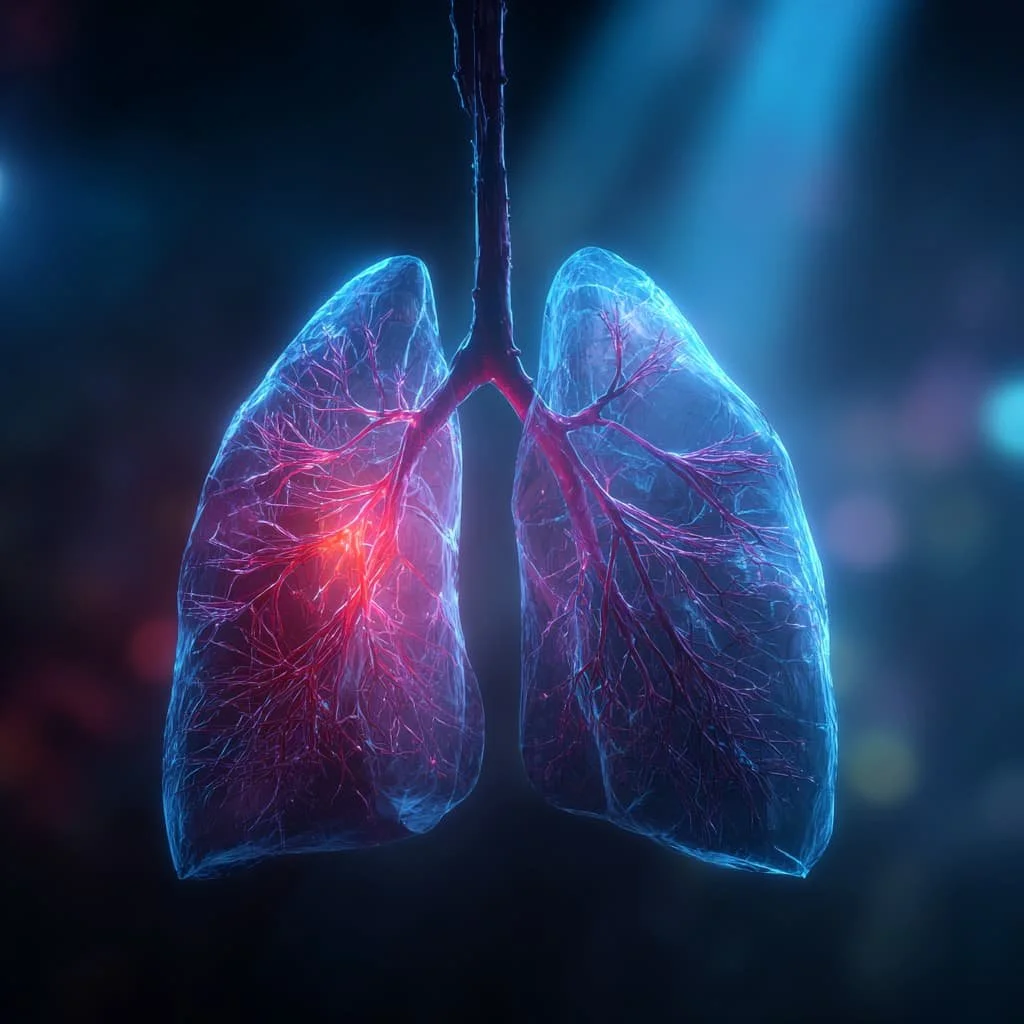
Pulmonary Embolism Symptoms, Causes, and Treatment
Pulmonary embolism occurs when a blood clot travels from the legs to the lungs and blocks blood flow. Learn the symptoms, risk factors, diagnostic tests, and how anticoagulation prevents dangerous complications.

CT When Detail Matters
The machine feels serious. The moment often does too. Here’s what a CT scan in the emergency room is really for and how doctors decide when it’s necessary.
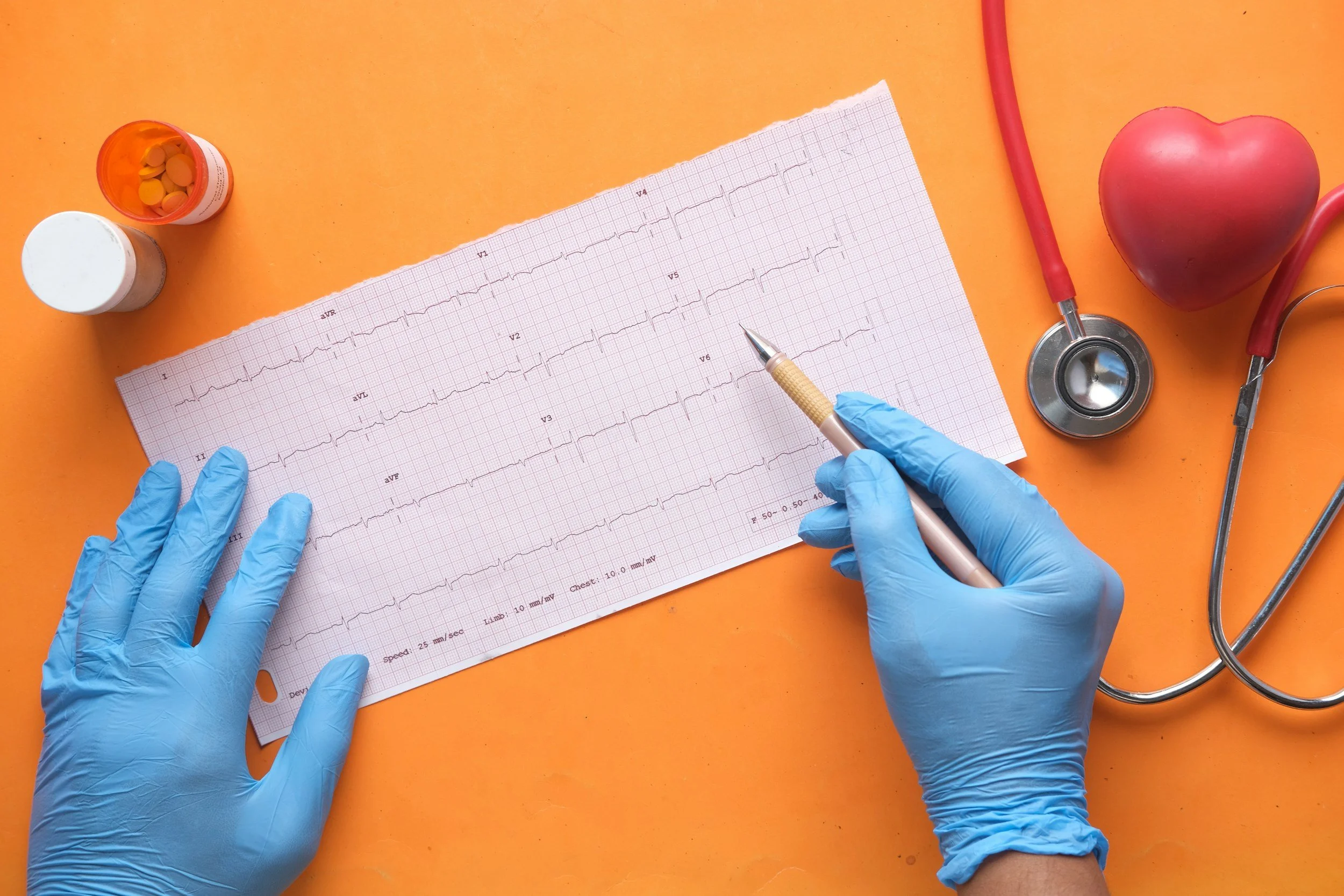
EKG The Electrical Map
An electrocardiogram, or EKG, records the heart’s electrical activity. In emergency medicine, it helps detect heart attacks, rhythm disorders, and dangerous electrolyte changes within minutes.
BMP The Chemistry Check
A Basic Metabolic Panel, or BMP, is a common blood test that checks kidney function, electrolytes, and blood sugar. In emergency medicine, it helps identify dehydration, kidney injury, and electrolyte imbalances that can affect the heart, brain, and overall stability.

ER Discharge Explained What Happens After You Go Hom
Being discharged from the ER means no life threatening emergency was found today. Learn what medically cleared really means, why follow up matters, and when to return.
CBC A Look at Your Cells
A Complete Blood Count, or CBC, is one of the most common blood tests in emergency medicine. It measures white blood cells, red blood cells, and platelets to help detect infection, anemia, bleeding, and inflammation. Simple test. Important clues.
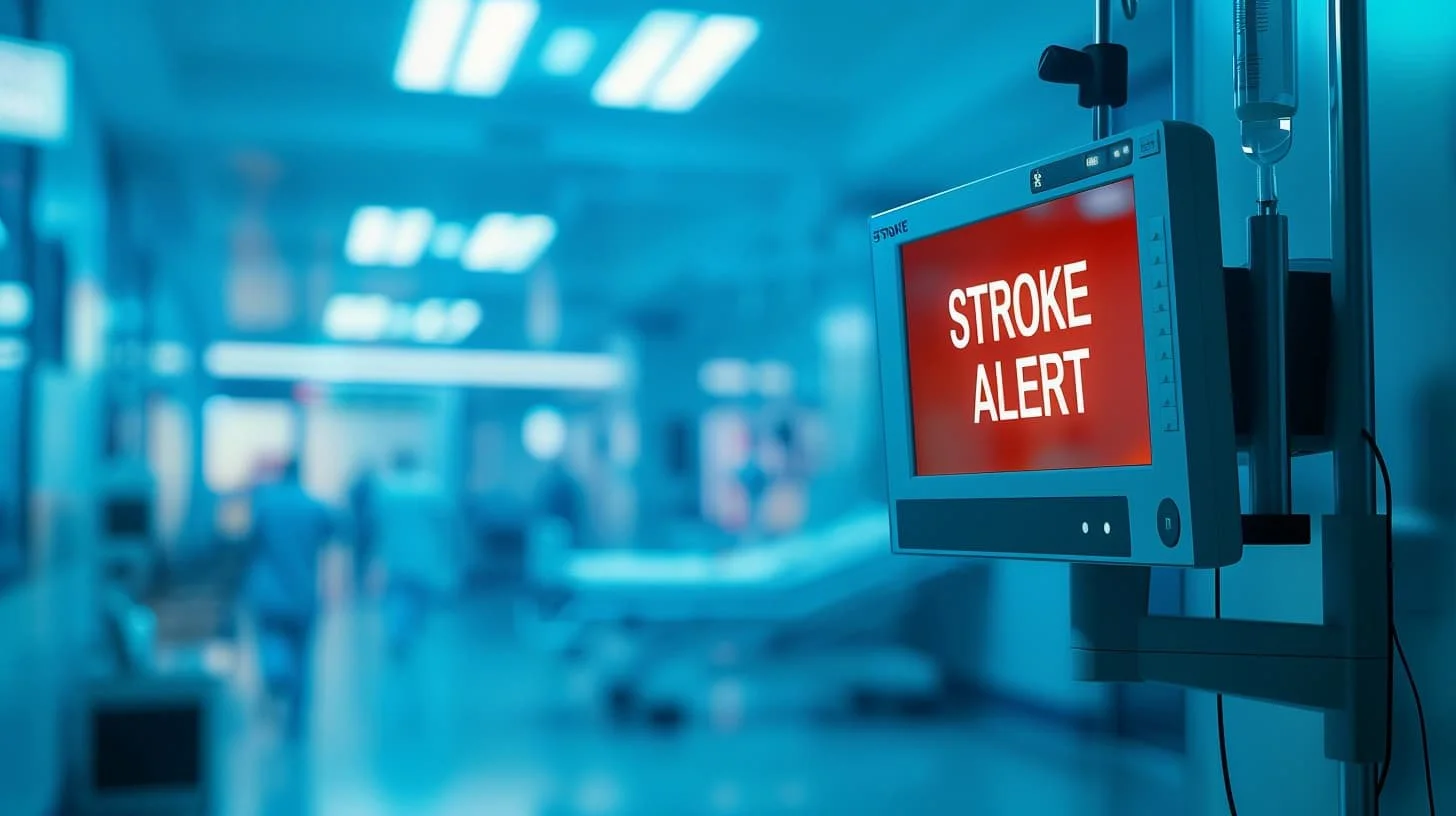
Stroke Symptoms and Why Time Is Brain
A stroke occurs when blood flow to part of the brain is suddenly blocked. Learn the warning signs, why time is brain, and how clot busting medication and mechanical thrombectomy can restore circulation.
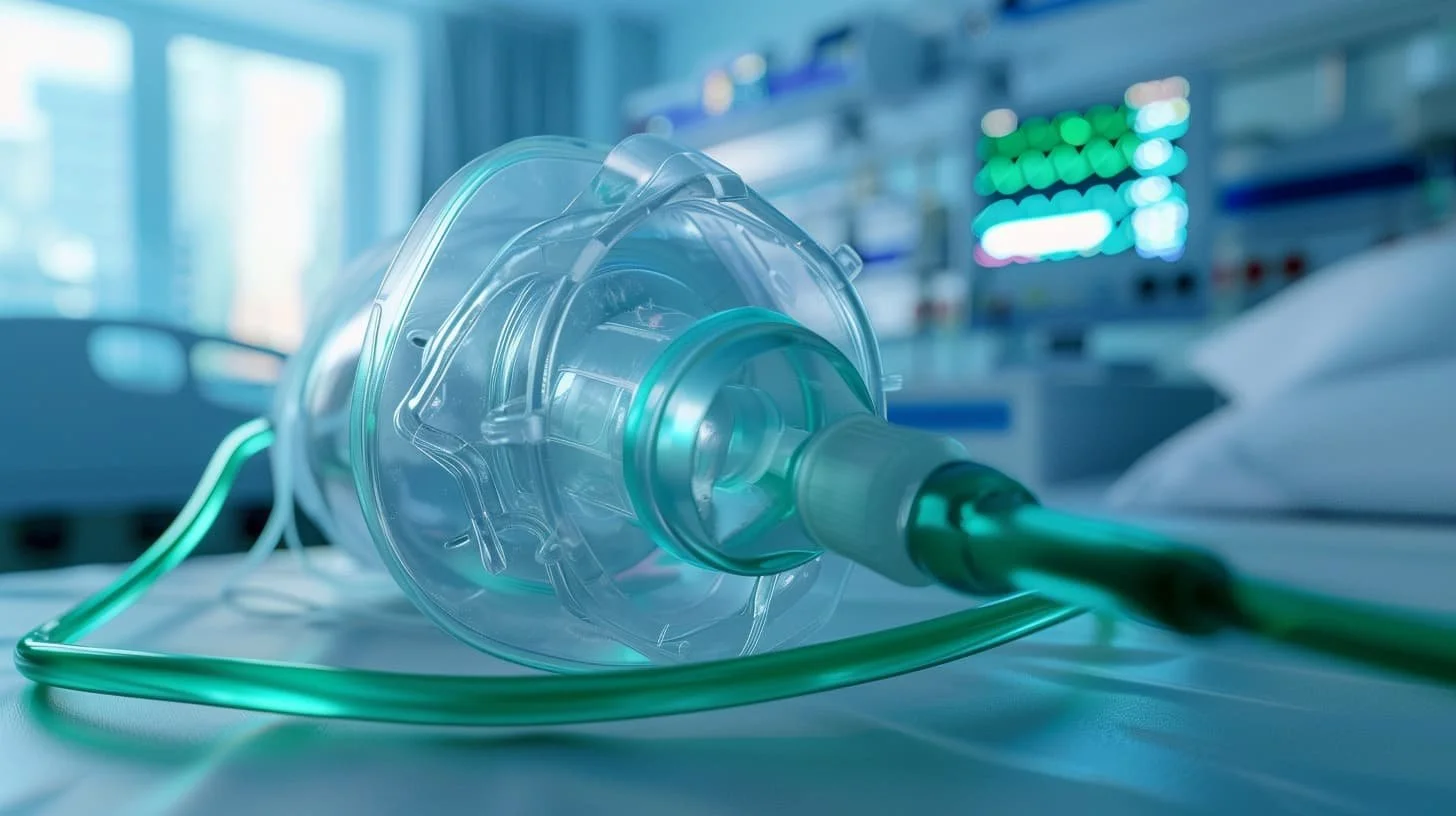
Shortness of Breath in the ER and What Doctors Are Really Looking For
Shortness of breath is a common reason people come to the ER. Learn how emergency doctors evaluate breathing trouble, rule out dangerous causes like blood clots and heart failure, and decide on the right tests and treatment.
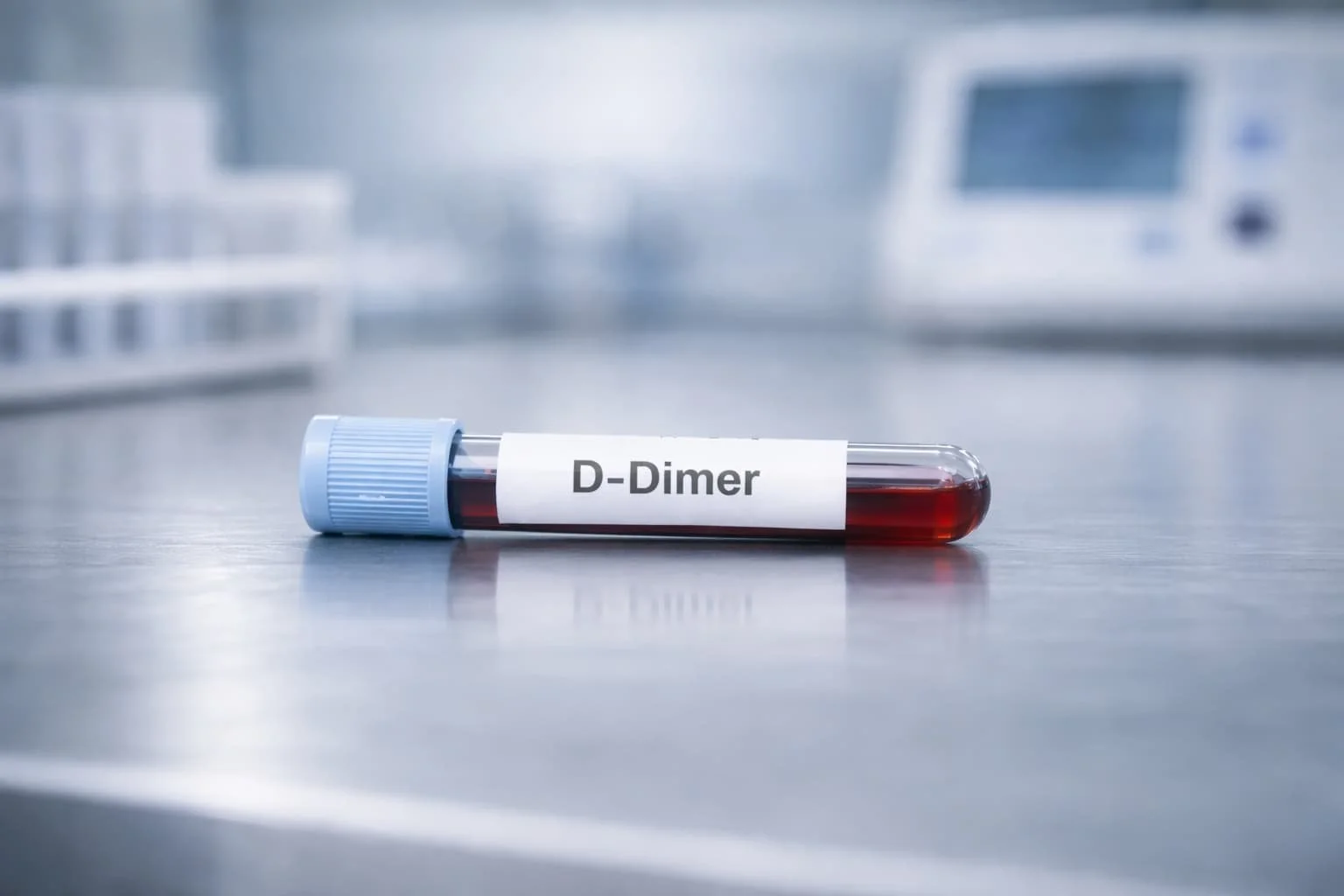
D Dimer The Clot Question
D-dimer is a blood test used to evaluate for dangerous blood clots such as deep vein thrombosis and pulmonary embolism. A normal result in the right patient can safely rule out clot, but an elevated value does not confirm one. Context and clinical risk matter.
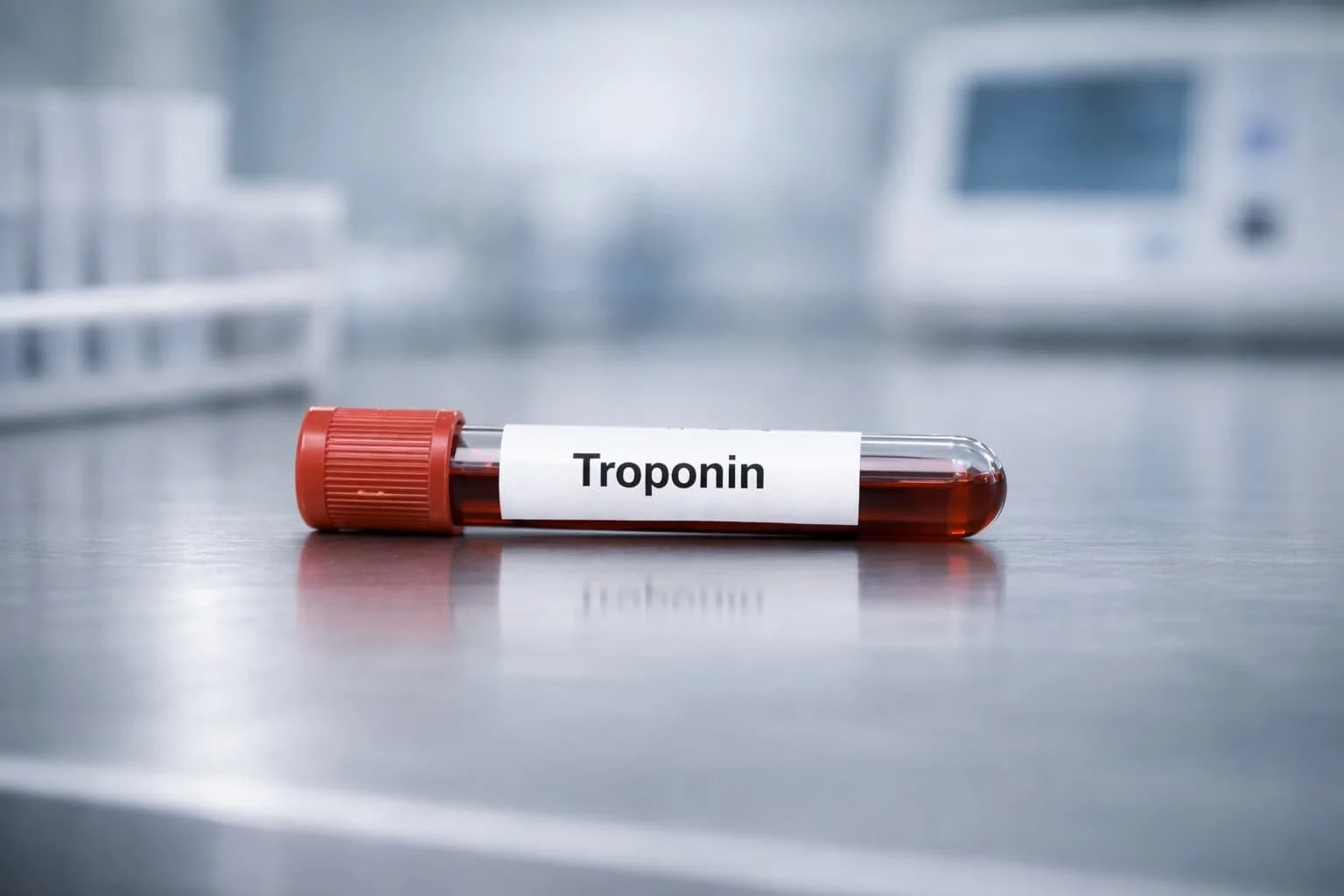
Troponin A Marker of Damage
Chest pain often triggers a troponin test. This cardiac biomarker detects heart muscle injury, but an elevated result does not always mean heart attack. The trend and the full clinical picture determine what it means.

Major Trauma in the Emergency Room and What Happens First
Major trauma requires a structured emergency response. Learn how trauma teams manage severe injuries using ABCs, bedside ultrasound, imaging, and rapid surgical decision making.

Back Pain in the ER and What Doctors Are Really Looking For
Back pain is a common ER complaint that ranges from muscle strain to spinal emergencies. Learn how emergency doctors evaluate low back pain, identify red flags, and decide when imaging is necessary.
Fever in the ER and What Doctors Are Really Looking For
Fever is a common emergency room complaint that can range from viral illness to sepsis. Learn how ER doctors evaluate fever, identify dangerous infections, and decide when antibiotics are necessary.
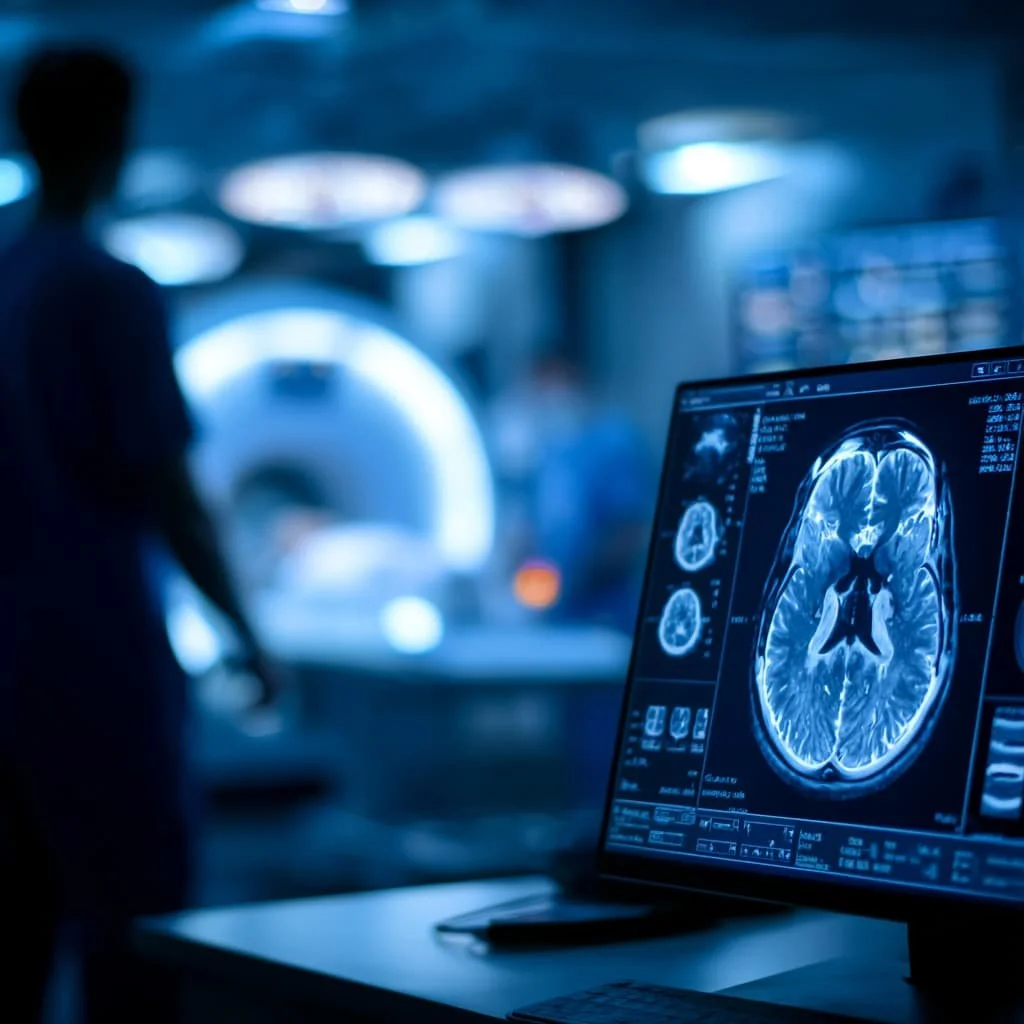
When a Headache Is More Than Just a Headache
Headache is one of the most common emergency room complaints. Learn how ER doctors distinguish migraine from brain bleed, meningitis, and other dangerous causes of head pain.

Abdominal Pain and What ER Doctors Are Really Looking For
Abdominal pain is one of the most common emergency room complaints. Learn how ER doctors evaluate stomach pain, rule out dangerous conditions like appendicitis and aneurysm, and decide which tests are needed.

Ultrasound Seeing in Motion
Ultrasound uses sound waves to create real time images inside the body without radiation. From detecting internal bleeding to guiding procedures and evaluating pregnancy, it has become one of the most powerful bedside tools in modern emergency medicine.
Chest Pain in the ER and What Doctors Are Really Looking For
Chest pain is one of the most common emergency room complaints. Learn how ER doctors evaluate chest pain, rule out life threatening conditions like heart attack and pulmonary embolism, and decide who needs further testing.

Exercise is The Closest Thing We Have to a Superpower
Exercise is one of the most powerful evidence-based tools for preventing heart disease, cancer, diabetes, and cognitive decline. Learn how movement improves longevity, mood, and metabolic health.