When Blood Pressure Becomes an Emergency
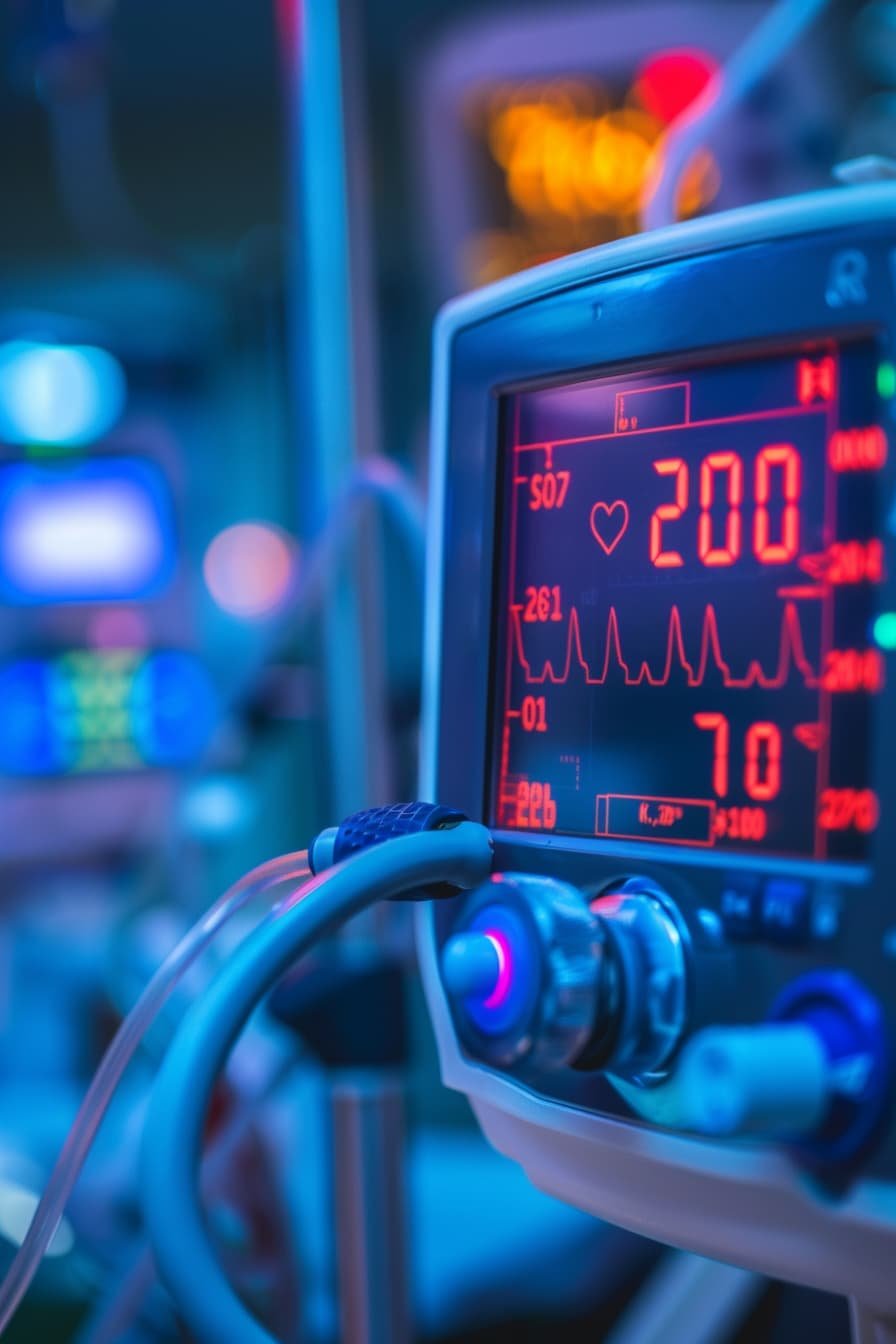
A clear explanation of hypertensive emergency, why extremely high blood pressure damages organs, and how doctors diagnose and treat it
When the Number on the Screen Is Not Just a Number
A man in his mid sixties walks into the emergency department holding the back of his head. He says the headache came on suddenly and feels like pressure building inside his skull. His blood pressure in triage reads 234 over 108.
An hour later another patient arrives with no complaints at all. He only checked his blood pressure at home out of curiosity. The machine showed a number so high that it frightened him.
Later that night a third patient arrives gasping for air. His lungs sound wet on exam.
Three different patients. Three different symptoms. The same underlying problem.
What a Hypertensive Emergency Actually Is
A hypertensive emergency occurs when blood pressure becomes so high that it begins damaging organs.
Blood pressure is simply the force of blood moving through the arteries. Think of it like water pressure in a pipe. When the pressure rises too high, the structures at the end of that pipe begin to suffer.
In the body, those vulnerable structures include the brain, heart, lungs, kidneys, and eyes. The diagnosis requires two things. Extremely elevated blood pressure and signs that organs are being affected.
Why High Pressure Harms the Body
The body is designed to tolerate a certain range of pressure in the circulation.
When blood pressure rises slowly over years, the body sometimes adapts. But when pressure climbs rapidly or becomes extremely elevated, the delicate blood vessels supplying organs begin to break down.
In the brain this can lead to bleeding or stroke. In the heart the muscle struggles to pump against the resistance. In the lungs fluid can accumulate as the heart fails to keep up. Even the kidneys, which filter the blood continuously, can suffer sudden injury when exposed to severe pressure.
The Clues Doctors Look For
Patients with hypertensive emergency may arrive with a wide range of symptoms.
Some develop severe headaches, confusion, or neurological problems if the brain is affected. Others experience chest pain or shortness of breath if the heart and lungs are under strain.
Some patients have surprisingly few symptoms but show signs of kidney injury on blood tests. Doctors evaluate these patients with a combination of blood work, imaging, EKGs, and sometimes CT scans to determine which organs may be under stress.
Why Treatment Must Be Careful
Lowering blood pressure sounds simple. In reality, it must be done carefully.
When blood pressure has been extremely high, the brain and other organs adapt to that higher pressure. Dropping it too quickly can suddenly reduce blood flow to those organs.
That is why doctors usually lower blood pressure gradually in hypertensive emergencies. The goal is to reduce pressure enough to prevent further damage without shocking the body. Many patients require intravenous medications and close monitoring in the hospital, often in an intensive care setting.
THE BOTTOM LINE
• A hypertensive emergency occurs when extremely high blood pressure begins damaging organs such as the brain, heart, lungs, or kidneys
• Symptoms can include severe headache, shortness of breath, confusion, chest pain, or sometimes no symptoms at all
• Treatment focuses on carefully lowering blood pressure while doctors evaluate and protect the affected organs
By Dr. Karim Ali, Emergency Physician