All Articles
Explore the full library of Medically Cleared articles organized by topic.
Recently Cleared

Every ER doctor gets asked to look at vomit, stool samples, and things patients bring from home. Most of the time, it doesn’t matter. This time, it did.

Most of what people believe about CPR comes from television, where it almost always works. The reality is harder, rougher, and more important to understand, especially if you may ever have to make a decision about it.

Most people hear "stable" and assume everything is okay. But stable does not mean cured, and it does not always mean safe. Here is what doctors actually mean when they use it.
The Process

Being admitted to the hospital can be confusing. Learn the difference between observation and inpatient status, who takes over your care, and what happens next.

Emergency room triage sorts patients by medical urgency, not arrival time. Learn how the Emergency Severity Index works and why some patients are seen first to protect safety.

A clear explanation of why some patients are placed in observation status while others are admitted as inpatients.
Chief Complaints

Vomiting is common in the ER, but the cause is not always simple. This article explains how doctors think through vomiting, what dangerous causes they look for first, and why the workup can range from fluids to brain scans.

A racing or pounding heartbeat can be caused by dehydration, anxiety, anemia, thyroid problems, or an abnormal heart rhythm. This article explains how ER doctors think through palpitations and what makes them more concerning.

When someone is suddenly “not acting like themselves,” the cause can range from mild to life-threatening. This article explains what altered mental status means in the ER, what doctors worry about first, and how confusion gets worked up fast.
When Seconds Matter

Anaphylaxis is not “just an allergic reaction.” It is a whole-body emergency that can rapidly affect breathing, blood pressure, and the airway. This article explains what anaphylaxis looks like and why every minute matters.

Testicular torsion is one of the most time-sensitive emergencies in young men and boys. This article explains what it is, how it presents, how it is diagnosed, and why fast treatment matters.

Sepsis is not “just an infection.” It is a whole-body emergency that can cause rapid deterioration, organ failure, and shock. This article explains what sepsis is, how it presents, and why every minute matters.
ER Essentials
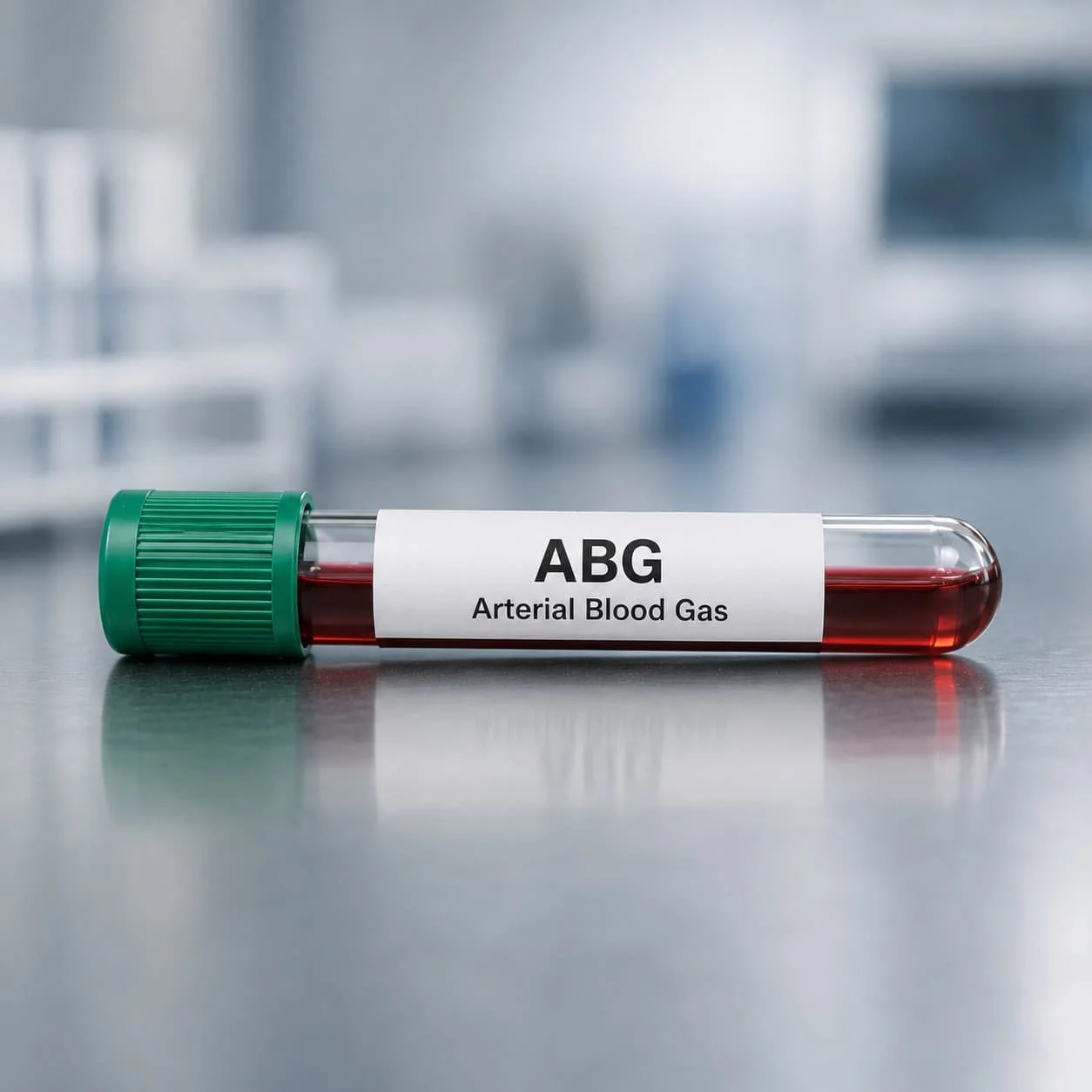
A blood draw from the wrist is sharper and more deliberate than the usual stick in the arm. Emergency physicians order it when they need to know exactly how well your lungs are working and whether your blood is becoming dangerously acidic. Here is what an arterial blood gas measures and why it sometimes changes everything.

A lung nodule on a CT scan can sound terrifying. Most are not cancer. Here is what doctors mean by a pulmonary nodule, what makes one more concerning, and why follow-up matters.

Appendicitis often begins with vague abdominal pain, nausea, or loss of appetite before becoming more serious. Here is how doctors diagnose appendicitis in the ER, what tests help, and why timing matters.
Inside the ER
Most of what people believe about CPR comes from television, where it almost always works. The reality is harder, rougher, and more important to understand, especially if you may ever have to make a decision about it.
Most people hear "stable" and assume everything is okay. But stable does not mean cured, and it does not always mean safe. Here is what doctors actually mean when they use it.

A “normal” test result in the ER does not always mean nothing is wrong. This article explains what ER labs and imaging are really looking for, why some tests are repeated, and what “normal for now” often actually means.
Ask an Expert



Wellness

Exercise is one of the most powerful evidence-based tools for preventing heart disease, cancer, diabetes, and cognitive decline. Learn how movement improves longevity, mood, and metabolic health.

Intermittent fasting focuses on when you eat rather than what you eat. Here is a balanced look at the science, benefits, risks, and a practical approach.

Mental clarity drives everything else. This simple three step meditation method helps lower stress, improve focus, and build resilience before adversity hits.