Articles
Explore the full library of Medically Cleared articles organized by topic.
Recently Cleared



Chief Complaints



When Seconds Matter

The Process
The Diagnosis



The Procedures



The Tests



Wellness



Meditation: Training the Mind Before Life Gets Loud
Mental clarity drives everything else. This simple three step meditation method helps lower stress, improve focus, and build resilience before adversity hits.

The Science of Hydration and Why It Matters Daily
Hydration is more than just drinking water. Proper fluid balance supports blood pressure, kidney filtration, metabolism, physical performance, and cognitive clarity. Learn the science behind hydration, the risks of dehydration, and how to maintain balance safely.

Why Sleep Is the Most Powerful Health Tool You’re Ignoring
Sleep is not passive rest. It is active biological repair. During sleep, the brain consolidates memory, regulates hormones, stabilizes blood pressure, and restores emotional balance. Chronic sleep deprivation increases the risk of obesity, diabetes, and cardiovascular disease. Improving sleep may be the most powerful and overlooked wellness habit.

What Does It Mean to Be Admitted to the Hospital
Being admitted to the hospital can be confusing. Learn the difference between observation and inpatient status, who takes over your care, and what happens next.

What Is ER Triage and How Are Patients Prioritized?
Emergency room triage sorts patients by medical urgency, not arrival time. Learn how the Emergency Severity Index works and why some patients are seen first to protect safety.

Observation vs Inpatient Admission Explained
A clear explanation of why some patients are placed in observation status while others are admitted as inpatients.

The Plan and What Happens After Your ER Visit
Every ER visit ends with a plan. Discharge, observation, or inpatient admission. Here is how emergency doctors decide what is safest and what happens next.

What Is Shared Decision Making in Medicine?
Shared decision making allows patients and doctors to make medical decisions together. Learn how this process works in the emergency department.

Why ER Wait Times Can Be Long
Emergency room waits can feel frustrating and confusing. This article explains why ER wait times happen, how triage works, and what is happening behind the scenes while you’re waiting for care.

The Workup Inside the Mind of an ER Doctor
Emergency medicine works differently than primary care. The ER workup is designed to rule out life threatening conditions first, then narrow toward a diagnosis. Here is how emergency doctors think and why testing often starts broad before becoming precise.

ER Discharge Explained What Happens After You Go Home
Being discharged from the ER means no life threatening emergency was found today. Learn what medically cleared really means, why follow up matters, and when to return.

When a Headache Is More Than Just a Headache
Headache is one of the most common emergency room complaints. Learn how ER doctors distinguish migraine from brain bleed, meningitis, and other dangerous causes of head pain.

What Causes Leg Swelling? Heart Failure, Blood Clots, and Infections
Leg swelling can come from many causes including heart failure, blood clots, infections, and circulation problems. Learn how doctors evaluate swollen legs.

Fever in the ER and What Doctors Are Really Looking For
Fever is a common emergency room complaint that can range from viral illness to sepsis. Learn how ER doctors evaluate fever, identify dangerous infections, and decide when antibiotics are necessary.

Major Trauma in the ER and What Happens First
Major trauma requires a structured emergency response. Learn how trauma teams manage severe injuries using ABCs, bedside ultrasound, imaging, and rapid surgical decision making.

Back Pain in the ER and What Doctors Are Really Looking For
Back pain is a common ER complaint that ranges from muscle strain to spinal emergencies. Learn how emergency doctors evaluate low back pain, identify red flags, and decide when imaging is necessary.

Abdominal Pain and What ER Doctors Are Really Looking For
Abdominal pain is one of the most common emergency room complaints. Learn how ER doctors evaluate stomach pain, rule out dangerous conditions like appendicitis and aneurysm, and decide which tests are needed.
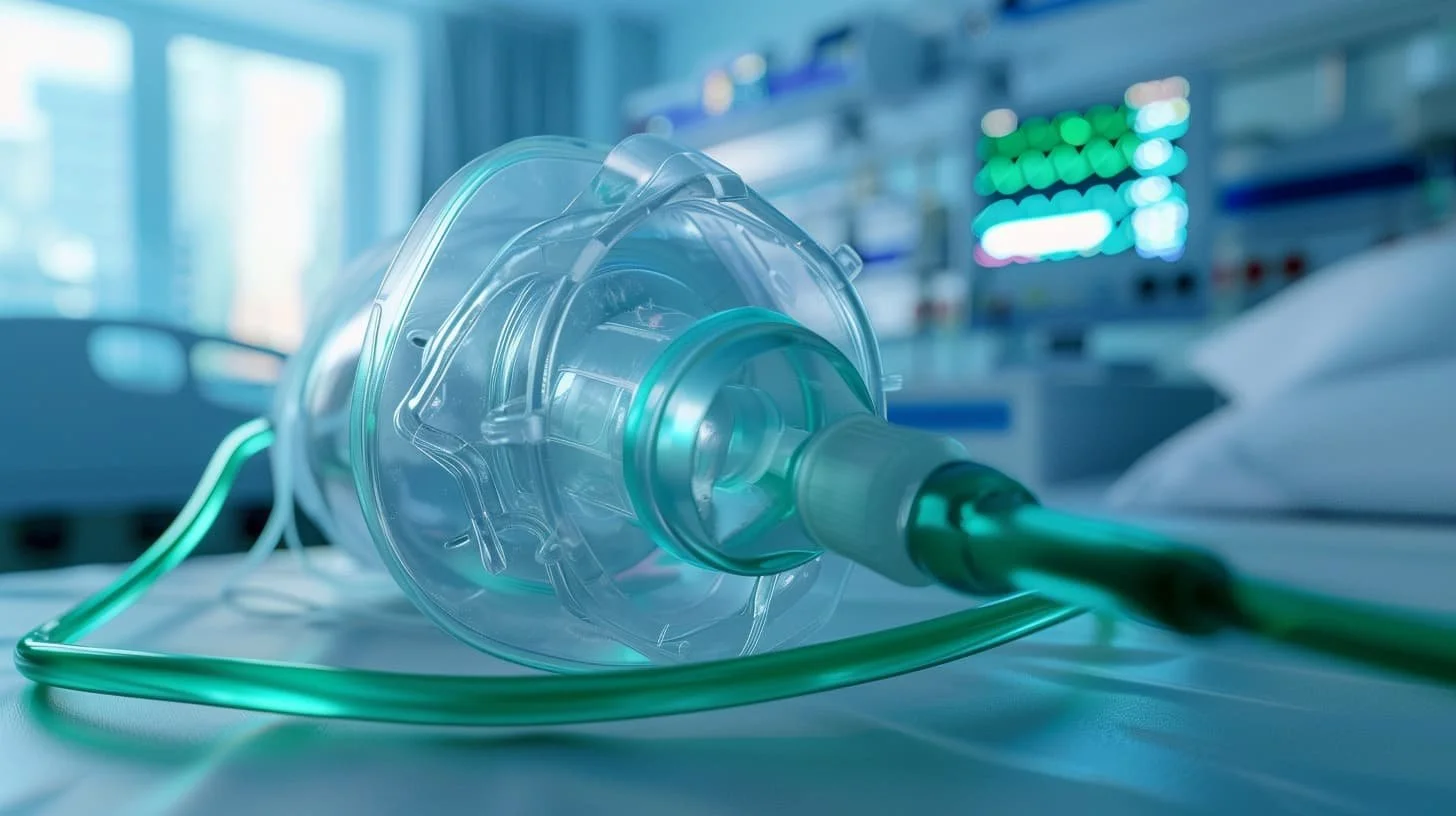
Shortness of Breath in the ER and What Doctors Are Really Looking For
Shortness of breath is a common reason people come to the ER. Learn how emergency doctors evaluate breathing trouble, rule out dangerous causes like blood clots and heart failure, and decide on the right tests and treatment.

Chest Pain in the ER and What Doctors Are Really Looking For
Chest pain is one of the most common emergency room complaints. Learn how ER doctors evaluate chest pain, rule out life threatening conditions like heart attack and pulmonary embolism, and decide who needs further testing.

Cardiac Arrest and What Happens When There Is No Pulse
Cardiac arrest occurs when the heart suddenly stops pumping blood and there is no pulse. Learn how CPR, defibrillation, and rapid identification of reversible causes can restore circulation and save lives.