Articles
Explore the full library of Medically Cleared articles organized by topic.
Recently Cleared

Chief Complaints


When Seconds Matter



The Process



The Diagnosis

The Procedures


The Tests


Wellness




When a Headache Is More Than Just a Headache
Headache is one of the most common emergency room complaints. Learn how ER doctors distinguish migraine from brain bleed, meningitis, and other dangerous causes of head pain.

What Causes Leg Swelling? Heart Failure, Blood Clots, and Infections
Leg swelling can come from many causes including heart failure, blood clots, infections, and circulation problems. Learn how doctors evaluate swollen legs.

Fever in the ER and What Doctors Are Really Looking For
Fever is a common emergency room complaint that can range from viral illness to sepsis. Learn how ER doctors evaluate fever, identify dangerous infections, and decide when antibiotics are necessary.

Major Trauma in the ER and What Happens First
Major trauma requires a structured emergency response. Learn how trauma teams manage severe injuries using ABCs, bedside ultrasound, imaging, and rapid surgical decision making.

Back Pain in the ER and What Doctors Are Really Looking For
Back pain is a common ER complaint that ranges from muscle strain to spinal emergencies. Learn how emergency doctors evaluate low back pain, identify red flags, and decide when imaging is necessary.

Abdominal Pain and What ER Doctors Are Really Looking For
Abdominal pain is one of the most common emergency room complaints. Learn how ER doctors evaluate stomach pain, rule out dangerous conditions like appendicitis and aneurysm, and decide which tests are needed.
Shortness of Breath in the ER and What Doctors Are Really Looking For
Shortness of breath is a common reason people come to the ER. Learn how emergency doctors evaluate breathing trouble, rule out dangerous causes like blood clots and heart failure, and decide on the right tests and treatment.
Chest Pain in the ER and What Doctors Are Really Looking For
Chest pain is one of the most common emergency room complaints. Learn how ER doctors evaluate chest pain, rule out life threatening conditions like heart attack and pulmonary embolism, and decide who needs further testing.

Cardiac Arrest and What Happens When There Is No Pulse
Cardiac arrest occurs when the heart suddenly stops pumping blood and there is no pulse. Learn how CPR, defibrillation, and rapid identification of reversible causes can restore circulation and save lives.
When Blood Pressure Becomes an Emergency
Hypertensive emergency occurs when extremely high blood pressure begins damaging organs such as the brain, heart, lungs, or kidneys.

Stroke Symptoms and Why Time Is Brain
A stroke occurs when blood flow to part of the brain is suddenly blocked. Learn the warning signs, why time is brain, and how clot busting medication and mechanical thrombectomy can restore circulation.
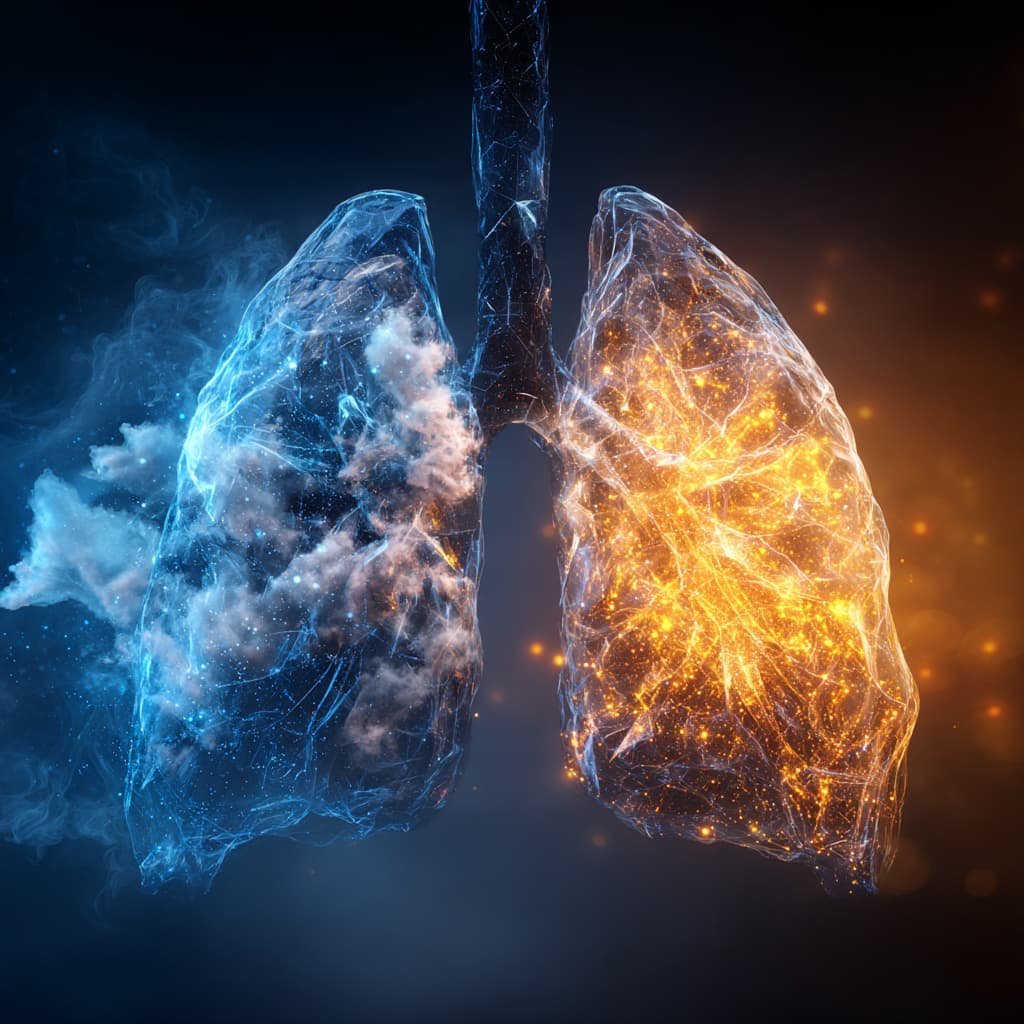
When Sudden Chest Pain Is a Collapsed Lung
Pneumothorax, or collapsed lung, happens when air escapes into the pleural space and compresses the lung. Learn why sudden chest pain and shortness of breath can signal this condition and how it is treated.

When Chest Pain Is a Tear in the Aorta
Aortic dissection is a life threatening tear in the body’s largest artery. Learn why sudden chest pain that radiates to the back demands immediate evaluation and rapid blood pressure control.
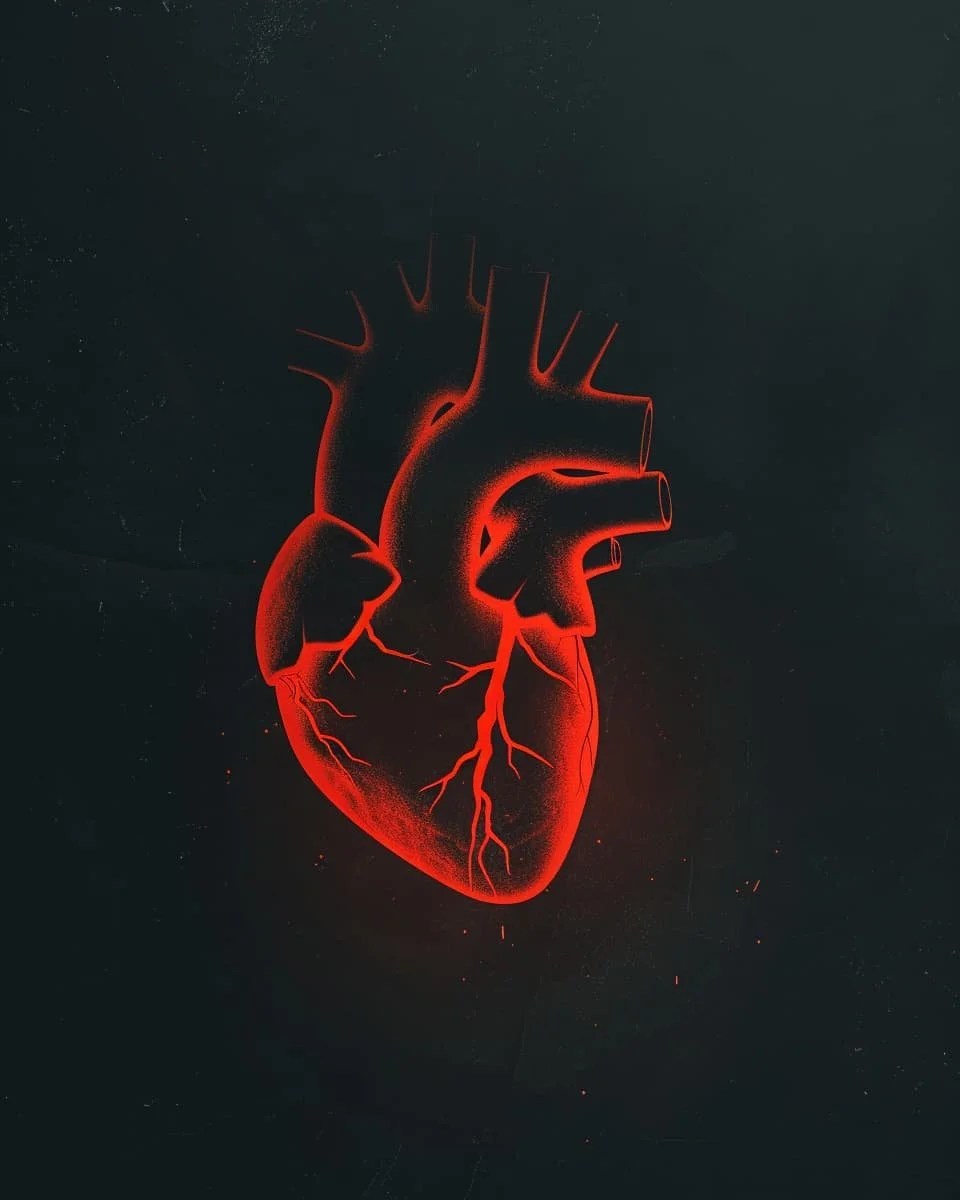
Not Just Heartburn, When Chest Pain Is a Heart Attack
A heart attack occurs when a coronary artery suddenly becomes blocked, cutting off blood flow to heart muscle. Learn the symptoms, how it is diagnosed, and why rapid treatment saves lives.
Myocardial Infarction Explained
An in-depth look at heart attacks from first symptom to catheterization. Learn how STEMI and NSTEMI are diagnosed using EKG changes and troponin, and how emergency treatment restores blood flow.

Subarachnoid Hemorrhage - The Worst Headache of Your Life
A sudden explosive headache can signal subarachnoid hemorrhage, a dangerous form of bleeding around the brain often caused by aneurysm rupture. Learn how it presents, how it is diagnosed, and why rapid evaluation matters.
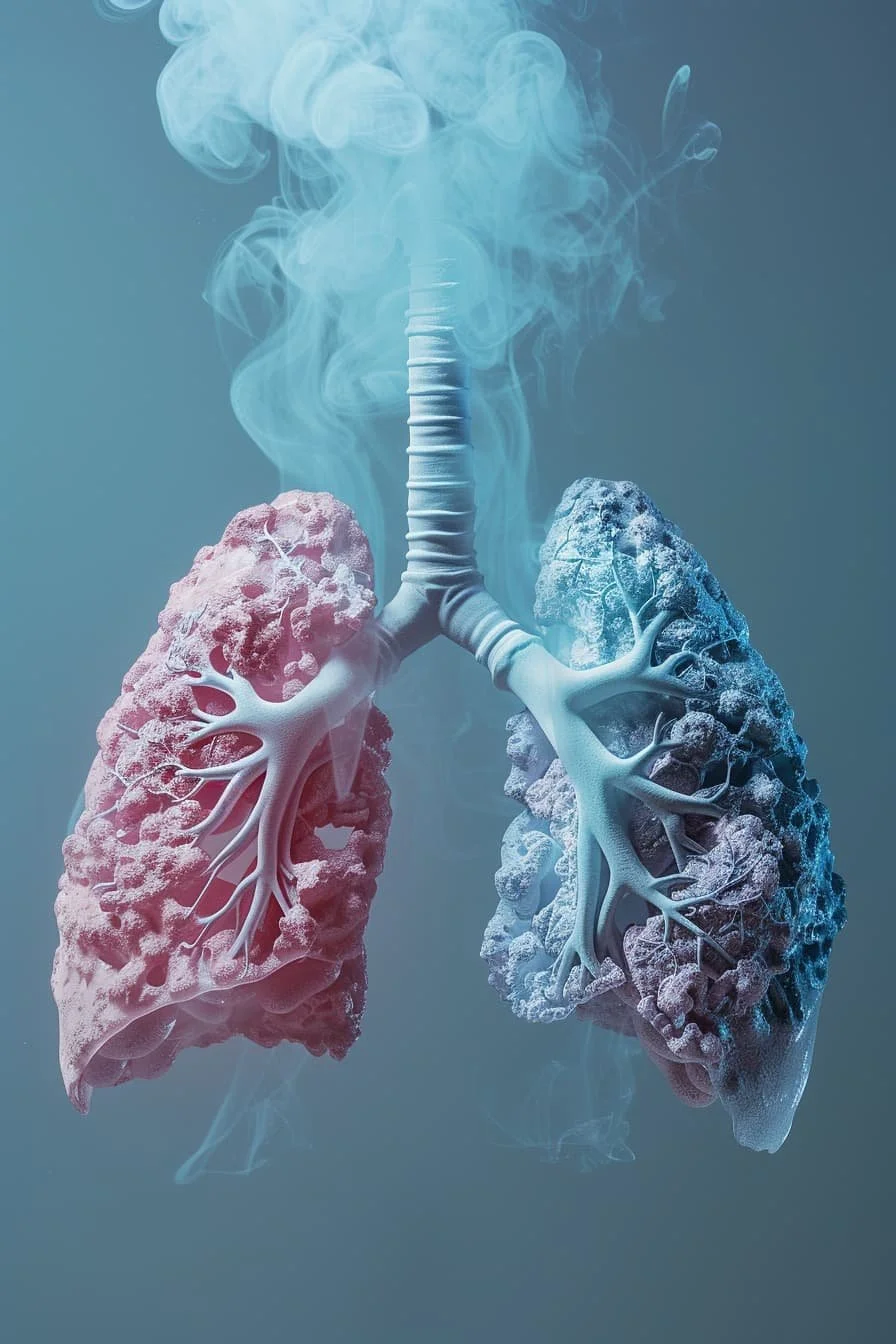
Why Does COPD Cause Shortness of Breath and Wheezing?
COPD is a chronic lung disease that makes it difficult to breathe, especially when exhaling. Learn why COPD develops and how flare ups are treated.

How Do You Know If You Have a Concussion?
Concussions are common brain injuries caused by sudden head impact. Learn the symptoms, how doctors diagnose them, and what recovery usually looks like.

Why Does Gallbladder Pain Occur on the Right Side of the Abdomen?
Gallbladder disease often causes severe right upper abdominal pain, especially after fatty meals. Learn how gallstones form and why surgery is often the treatment.
Why Do Asthma Attacks Cause Wheezing and Shortness of Breath?
Asthma causes wheezing, chest tightness, and shortness of breath when the airways narrow. Learn what triggers asthma attacks and how doctors treat them.